
Architecture
Land Of Wells / Le laboratoire d’architecture + A4 Architecture + Bled El Abar Collective

 Courtesy of Bled El Abar Collective
 + 15
+ 15
 Courtesy of Bled El Abar Collective
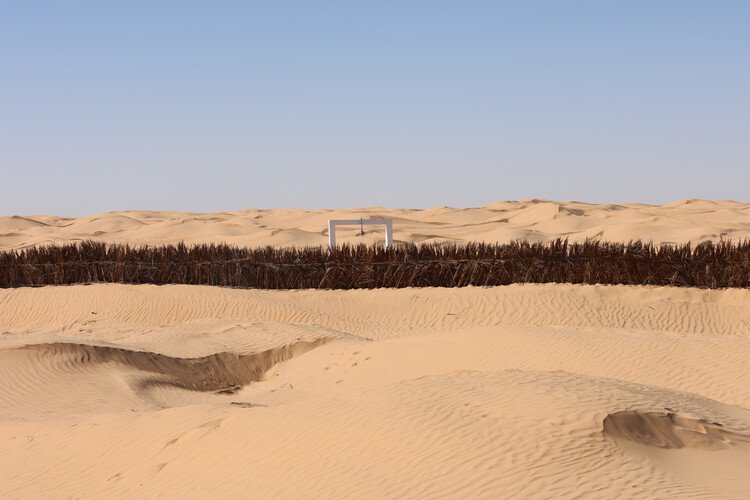
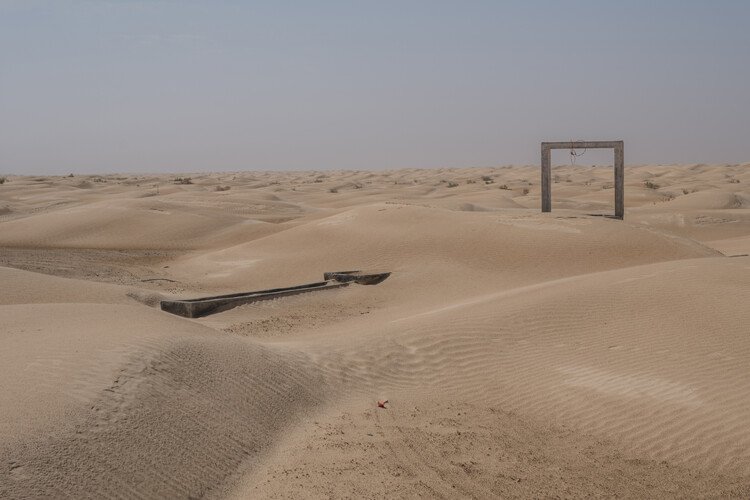
Text description provided by the architects. The modest well, built using traditional masonry, is located in the dunes of the Grand Erg Oriental, over 30 kilometers from the nearest inhabited village, along routes used for millennia by North African pastoral nomads. Before it was silted up and collapsed, it was still used as a watering point for camels, goats, and sheep, and as a refuge for the shepherds who guided them through the desert. The project involves removing the sand, cleaning and restoring the well and its trough, protecting it from sand-laden winds with hedges made of date palm fronds, and building a shelter using palm wood.