
Mayor Mamdani releases Block by Block, a comprehensive plan outlining ways to make housing in New York City more affordable
Guaranteeing more housing in New York City, where the rental vacancy rate sits at 1.4 percent, involves much more than just shovels in the ground. On the heels of the fiscal year 2027 (FY27) financial plan announcement, Mayor Zohran Mamdani’s office shared Block by Block: The Housing Plan for a New Era, its most comprehensive housing plan to date.
This “blueprint” from the city outlines new pilot programs and significant investments aimed at making construction faster, assuring building maintenance is a priority, and creating opportunities for affordable housing.
In its FY27 budget, still subject to City Council approval, the Mayor’s office made clear that housing was a priority. Of the total $124.7 billion, about 19 percent, equating to $22 billion is allocated to housing. Block by Block lays out where much of that $22 billion could go.
Some of the ideas laid out in the plan expand on past initiatives launched by the city, including the Streamlining Procedures to Expedite Equitable Development (SPEED) Taskforce, which was introduced by the Mayor and Deputy Mayor Leila Bozorg earlier this year. A report published this May from the group outlined a set of reforms aimed at accelerating affordable housing production. The reforms could slash the amount of time between construction completion of affordable units and move-in from 210 days to less than 100 days.
Remember the ballot measures related to housing that New York City residents voted on in November? The Mayor’s office has plans to implement these measures, which permitted 100 percent affordable housing and smaller-scale projects to bypass ULURP review. Starting in January 2027, communities with a great need for affordable housing will benefit from a faster review process that brings down timelines from seven months to just 90 days.
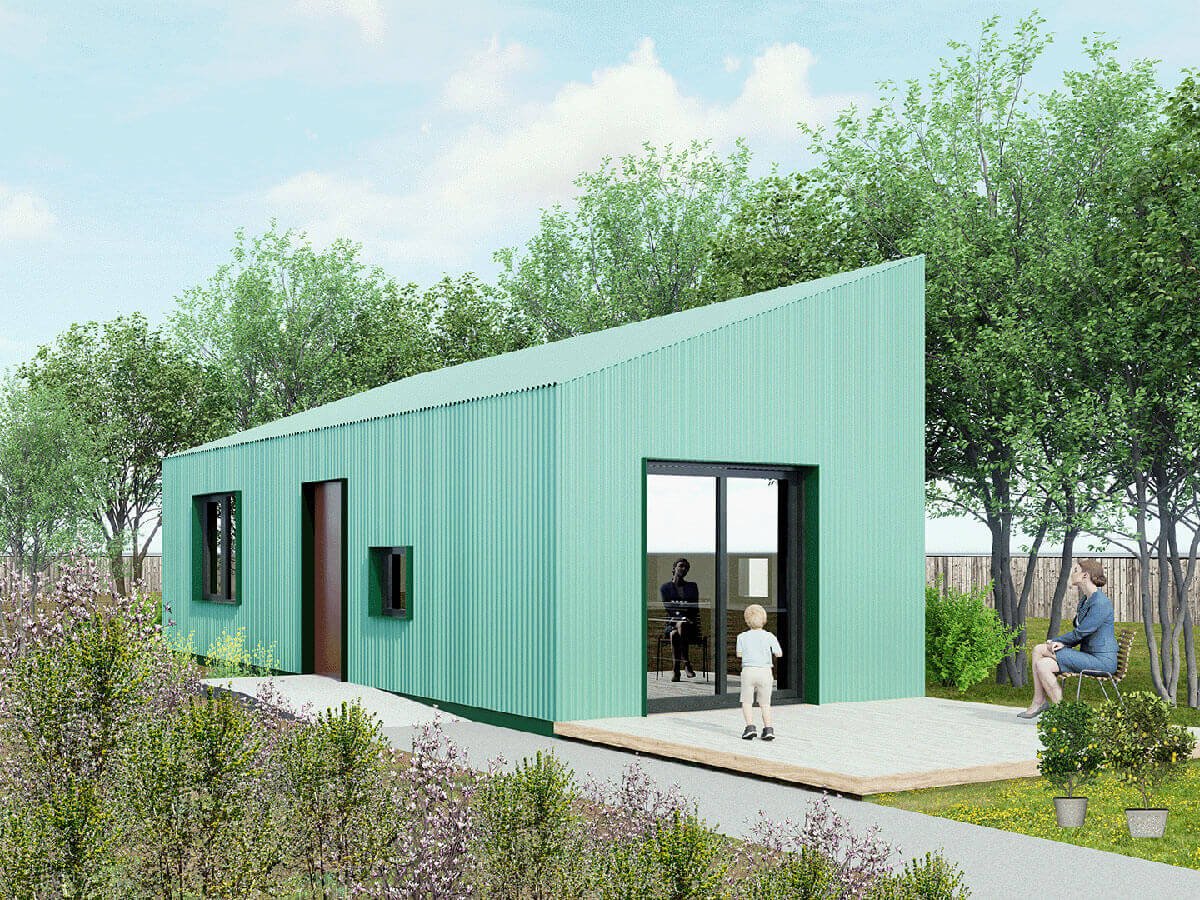 In March, the New York City Mayor’s Office launched a new digital platform aimed at accelerating the construction of ADUs. (Courtesy HPD)
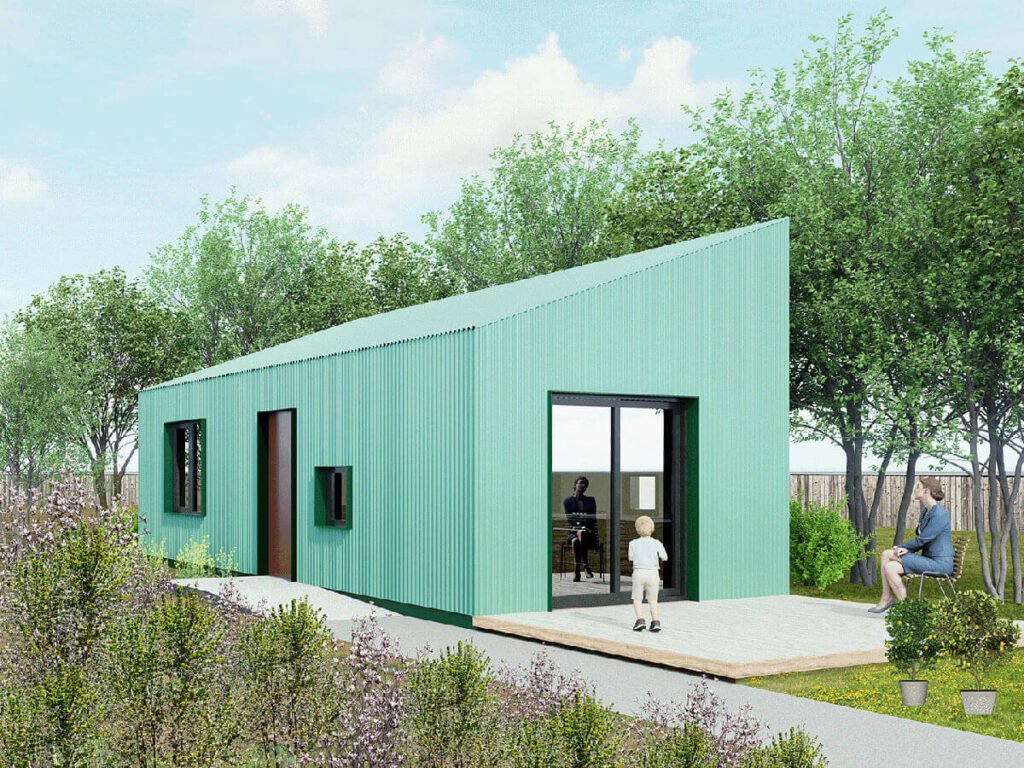
The comprehensive housing plan also sharpens the city’s ADU program, an initiative coupled with Eric Adams’s City of Yes that was developed in tandem with the Department of Housing Preservation and Development (HPD), Department of Buildings, Habitat for Humanity, and KMA. In March, it launched a new digital platform with a catalog of pre-approved plans for four small housing structures that can be easily built in a variety of shapes, sizes, and costs. In Block by Block, the city said later this year it will work with the Landmark Preservation Commission (LPC) on an online map to identify where ADUs can be constructed in historic districts. LPC will dedicate a team within the commission to work on this.
Block by Block points to prefabrication as a means for building more housing. The report says the city plans to consider the use of manufactured housing and to solicit “scalable, pre-approved modules or components to spur local investment and industry capacity.”
Other major housing initiatives the city is giving more time and investment to are the Permanent Affordability Commitment Together (PACT) program and Mitchell-Lama buildings. In the report, the city indicated it plans to strengthen PACT, a program launched a decade ago that privatizes public housing by turning Section 9 public housing to Section 8 housing. As previously reported by AN, the jury is still out over whether or not the program fixes a broken housing system. In 2024, in South Brooklyn, at the Coney Island Houses and Unity Towers, NYCHA residents voted no to PACT/RAD.
Block by Block also said the city “will dedicate hundreds of millions of dollars” in this year’s budget and in 2028 to upgrade 2,800 units of Mitchell Lama housing.
New York’s Mitchell-Lama housing program was started in 1955 and provided low-interest mortgages and tax exemptions to build limited-profit rental and cooperative housing for middle-class households. Under this model, architects including Herman Jessor built cooperative housing, like that at Co-op City.
Block by Block is filled with examples of planned housing developments and office-to-residential conversions that aim to address New York City’s need for housing. Among these is a plan the mayor’s office recently shared for Sunnyside Yard, a 180-acre active rail yard in Queens where 12,000 housing units could rise. Of that number, 6,000 units will be new “Mitchell-Lama-style homes.”
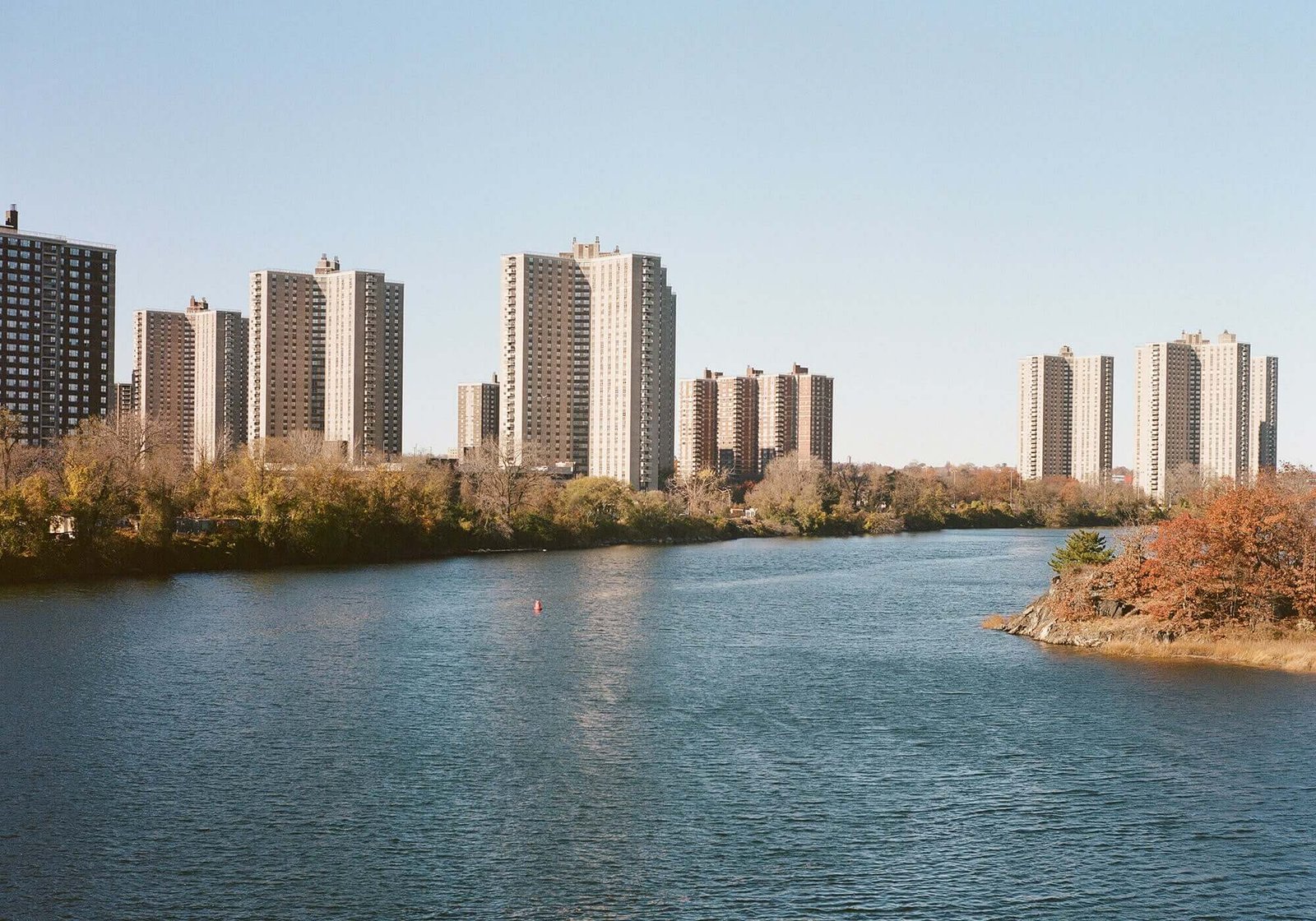 The housing plan includes plans for more cooperative housing, such as what was designed in Co-op City by Herman Jessor. (Zara Pfeifer)
The city’s investment and interest in cooperative housing will be further augmented by Our Home, a new affordable housing program that will facilitate the conversion of rental buildings into resident-controlled cooperatives. The city said in its report this program will be launched by the HPD later this year.
Rising costs of building maintenance and housing utilities also contribute to the affordable housing crisis. To address this, the mayor’s office has said it plans to make it easier for tenants to report maintenance issues and then also to receive the necessary help to remedy them. The report pointed out that in the Bronx, maintenance deficiencies are a serious issue; the 2023 NYC Housing & Vacancy Survey found that 26 percent of households in the Bronx reported three or more key maintenance deficiencies in their home.
A pilot program slated to launch later this year will concentrate on basement units across the city, offering support to tenants living in these often non-compliant homes. FY27 Executive Budget, allocates $1.2 million for homeowners to participate in the pilot.
Mayor Mamdani previously pledged his administration would set out to create 200,000 new affordable homes over the next decade, it’s a lofty goal and, per the mayor’s office “the most ambitious target set by a mayoral administration in the city’s modern history.” As previously reported by AN, the 200,000 new homes would require $100 billion from city funding. The city’s executive budget for 2027 and 2028 allocates over $2.5 billion for the construction of new affordable housing. Block by Block indicates headway is being made on the promise.