Níall McLaughlin Architects wins Museum of Jesus’ Baptism international competition
Malcolm Reading Consultants announced today Níall McLaughlin Architects (NMA) won an international competition to design a new museum at the baptismal site of Jesus Christ in Bethany, Jordan.
The London firm is fresh off Níall McLaughlin’s 2026 RIBA Royal Gold Medal for Architecture win. It beat six other offices previously shortlisted in the Museum of Jesus’ Baptism international competition: AAU Anastas, heneghan peng architects, Studio Anne Holtrop, Tatiana Bilbao ESTUDIO, Toshiko Mori Architect, and Trahan Architects.
Níall McLaughlin Architects will work in tandem on the project with local consultant Engicon, landscape design firm Kim Wilkie Landscape, exhibition designer Nissen Richards Studio, lighting consultant Studio ZNA, and Arup as daylight and shadow studies consultant.
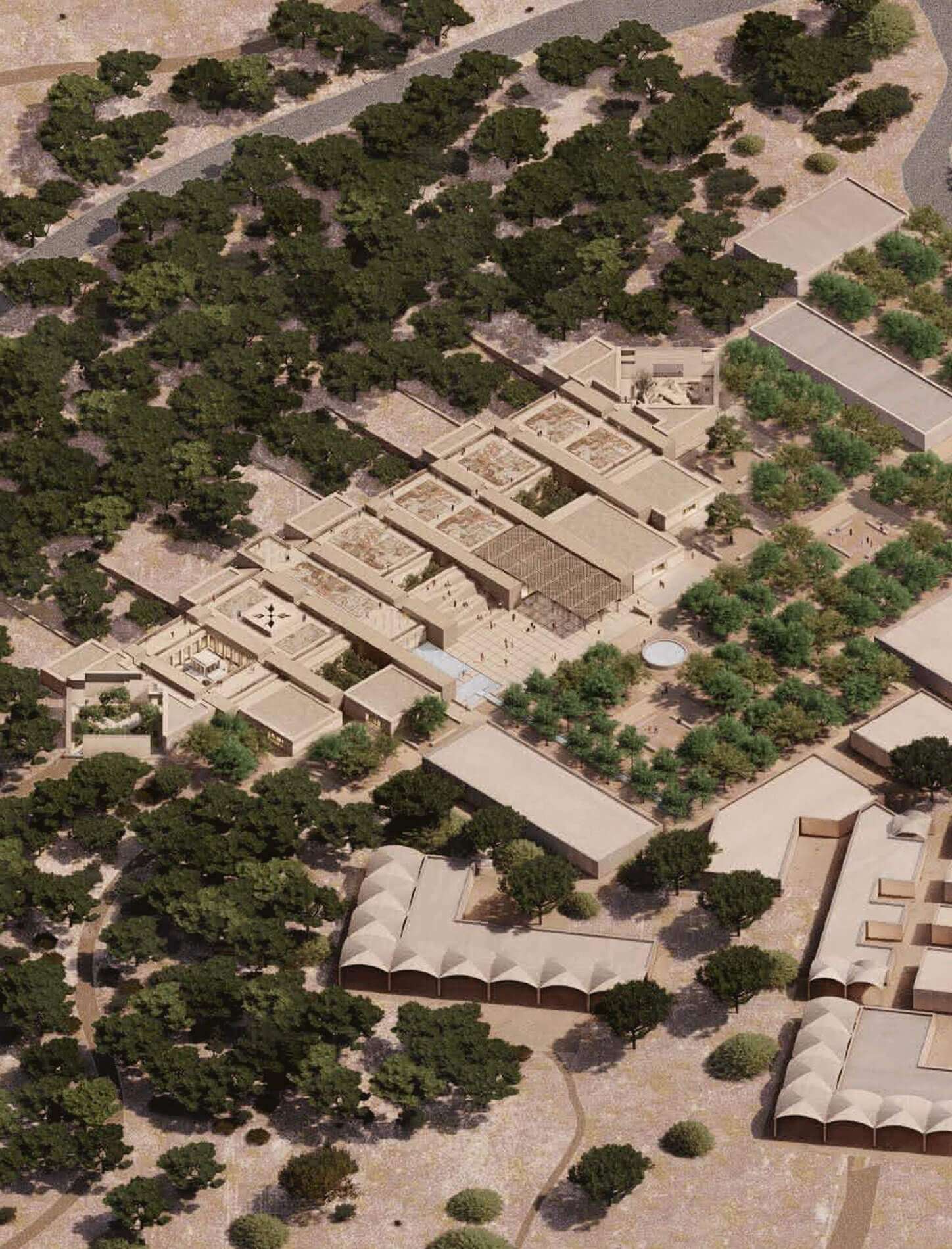
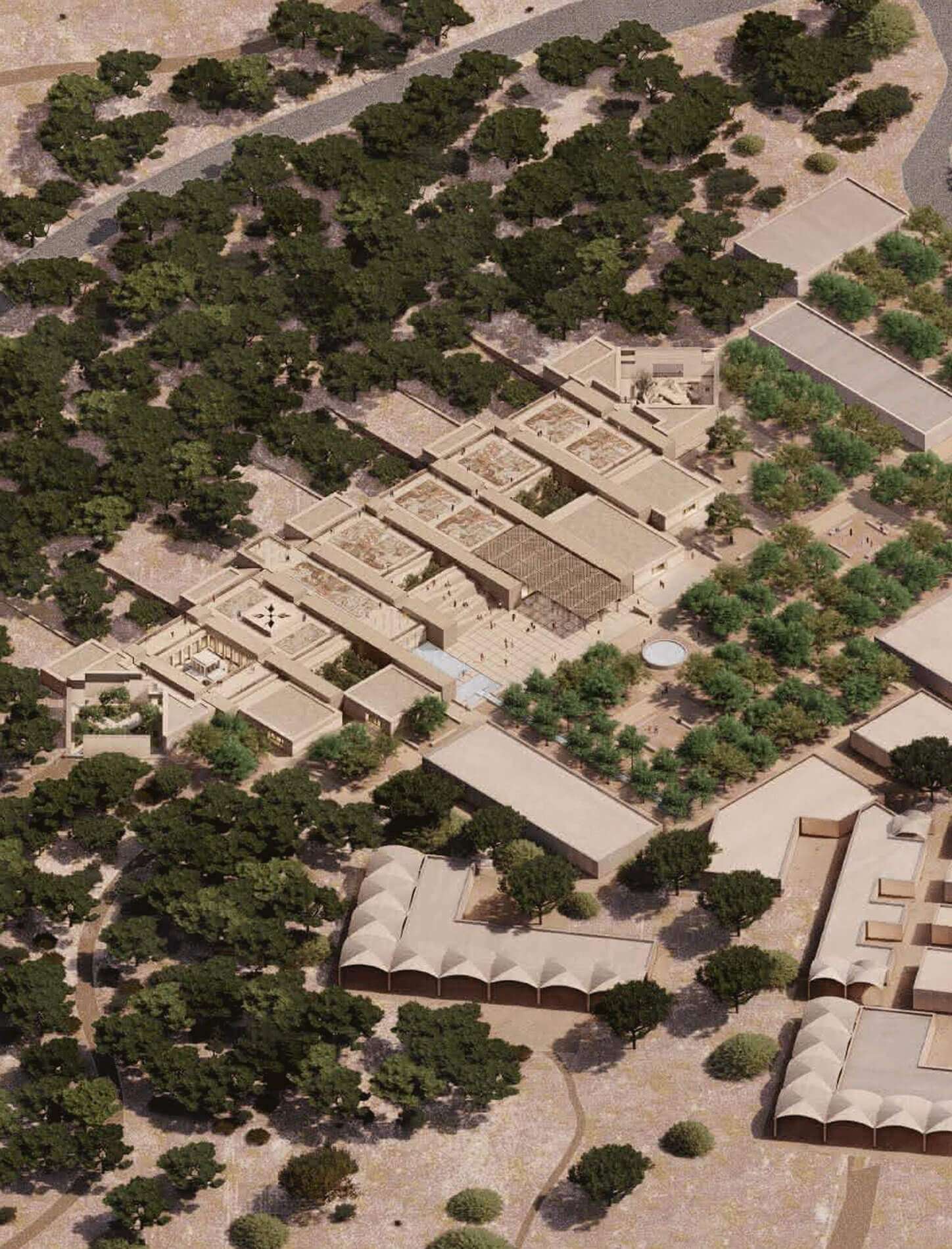 An acacia forest will be to the north of the museum. (Courtesy Níall McLaughlin Architects)
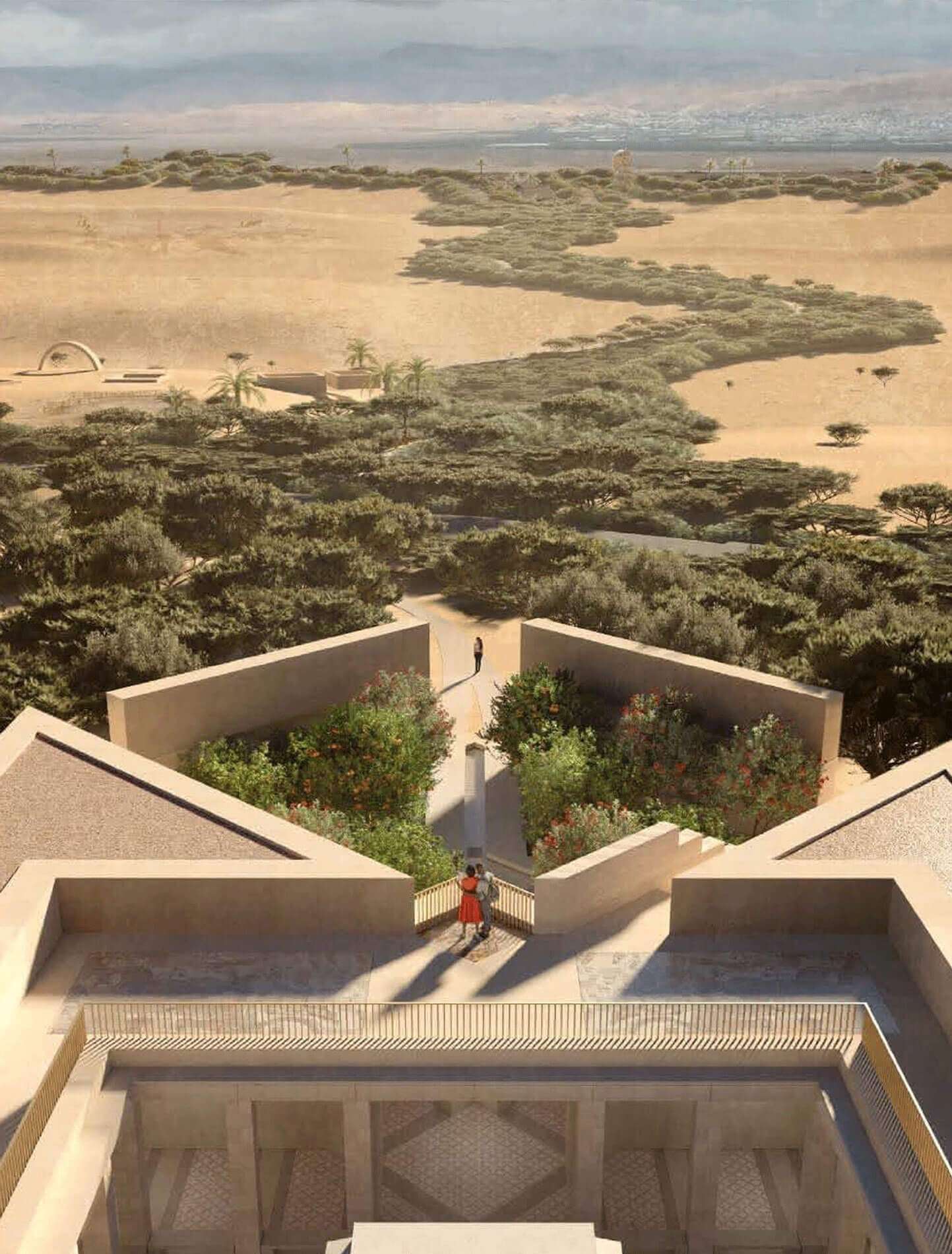 The museum will be oriented along a pilgrimage site that starts to the west. (Courtesy Níall McLaughlin Architects)
The Baptism Site—also known as “Bethany Beyond the Jordan,” or “Al-Maghtas” in Arabic—has been a Christian pilgrimage destination for ages and is today a UNESCO World Heritage Site.
The Museum of Jesus’ Baptism will become a node on the historic pilgrimage route that connects to the Baptism Site, frequented by thousands of people each year. It will also serve as the signature building in a masterplan for the Baptism Development Zone, a 340-acre zone adjacent to the Baptism Site.
The winning design by NMA emphasizes this axis by placing circulation on an east-west channel. The building itself will be made of rammed earth and stone. Renderings show two facing doorways, shaped like a triangle and a circle, that emphasize “a life in Christ as the Alpha and Omega,” NMA said in a project statement.
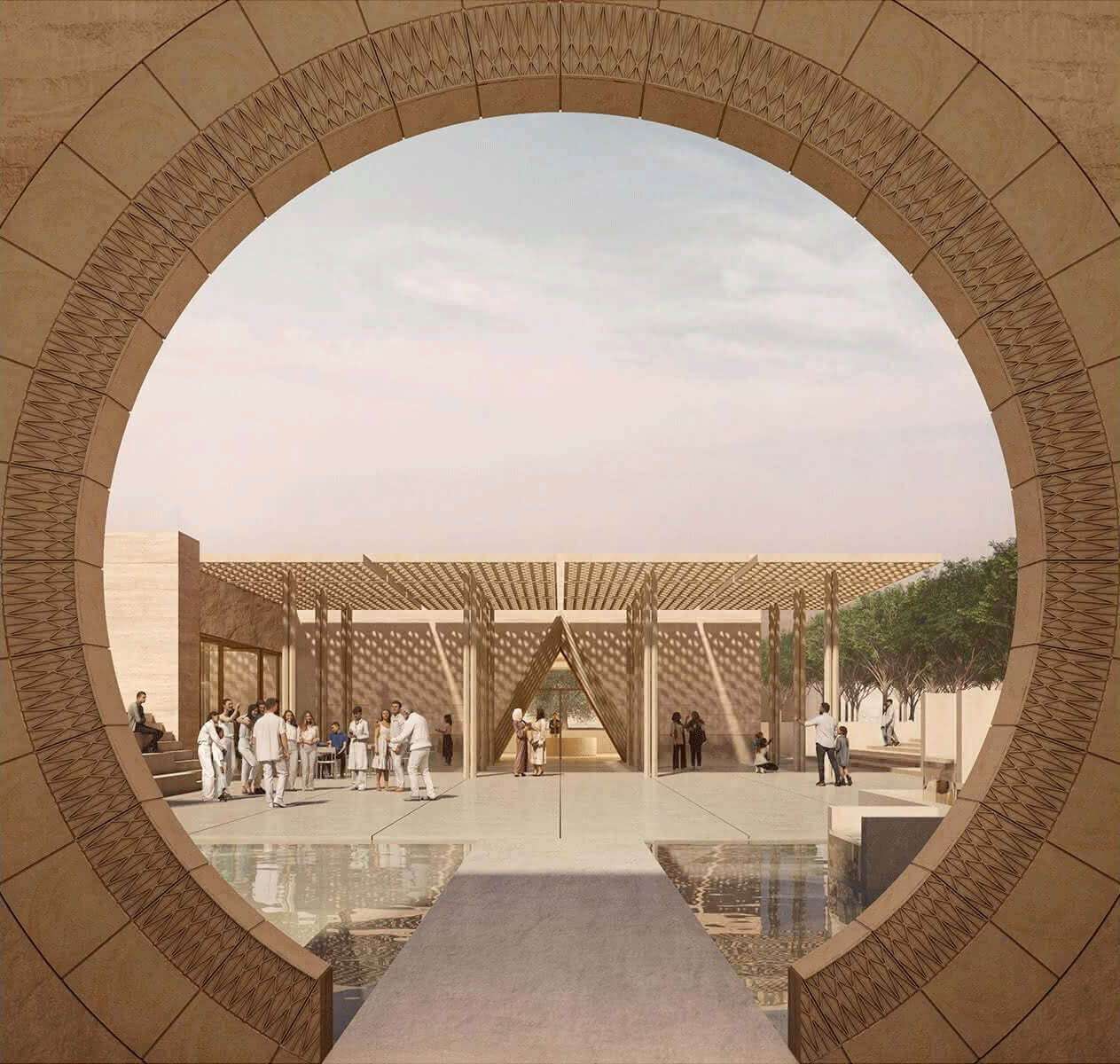 Two facing doorways, shaped like a triangle and a circle, emphasize “a life in Christ as the Alpha and Omega.” (Courtesy Níall McLaughlin Architects)
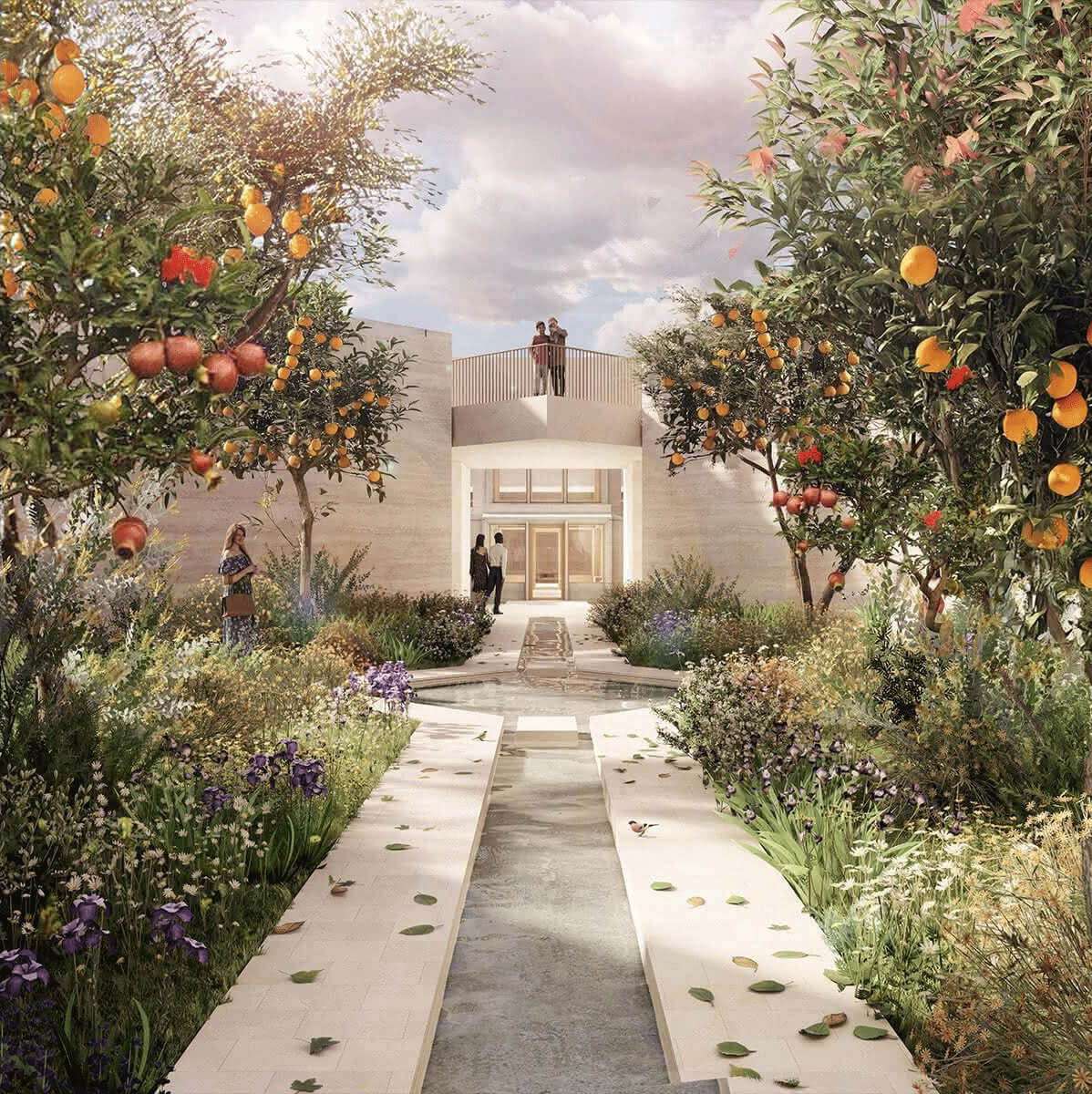 Visitors will meander through a lush garden before entering the museum. (Courtesy Níall McLaughlin Architects)
Umbrella columns, evocative of the kind Pier Luigi Nervi employed at the Palace of Labor in Turin, Italy, denote the main entry for the Museum of Jesus’ Baptism. Elevated perches will provide optimal views of the Jordan River and the pilgrimage route to the Baptism Site.
After parsing through a forested garden and the umbrella columns, visitors pass through exhibition spaces outfitted with artifacts, information, and nature, eventually descending down to The Rift faced with sandstone and water before emerging back into the light.
NMA’s design envisions the ensemble as “an elevated archaeological site with mosaic floors between low stone walls.”
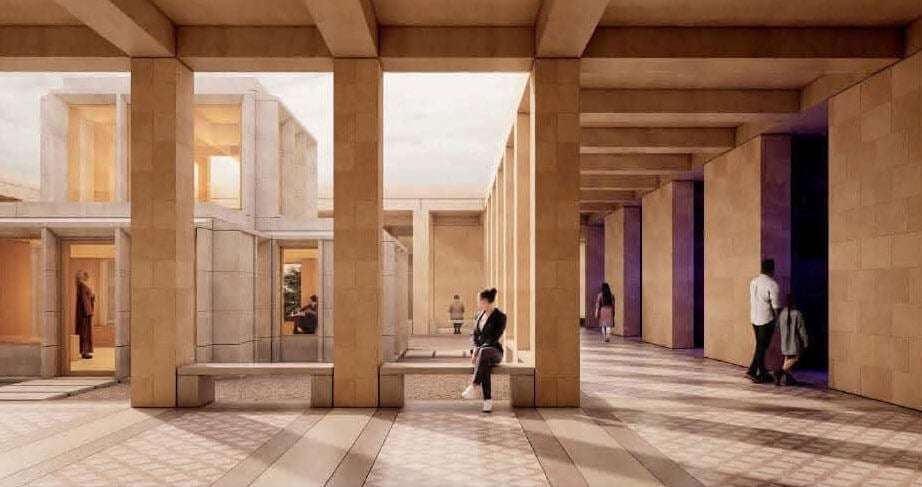 Guests will parse through a series of courtyards saturated by natural light. (Courtesy Níall McLaughlin Architects)
“The museum is an east-west journey,” NMA stated. “It combines permanent allegorical elements, with flexible galleries. Exhibition spaces are held between deep walls containing displays, circulation, and services. The materials—rammed earth and stone—come from the land nearby and can be built by local labour and resources.”
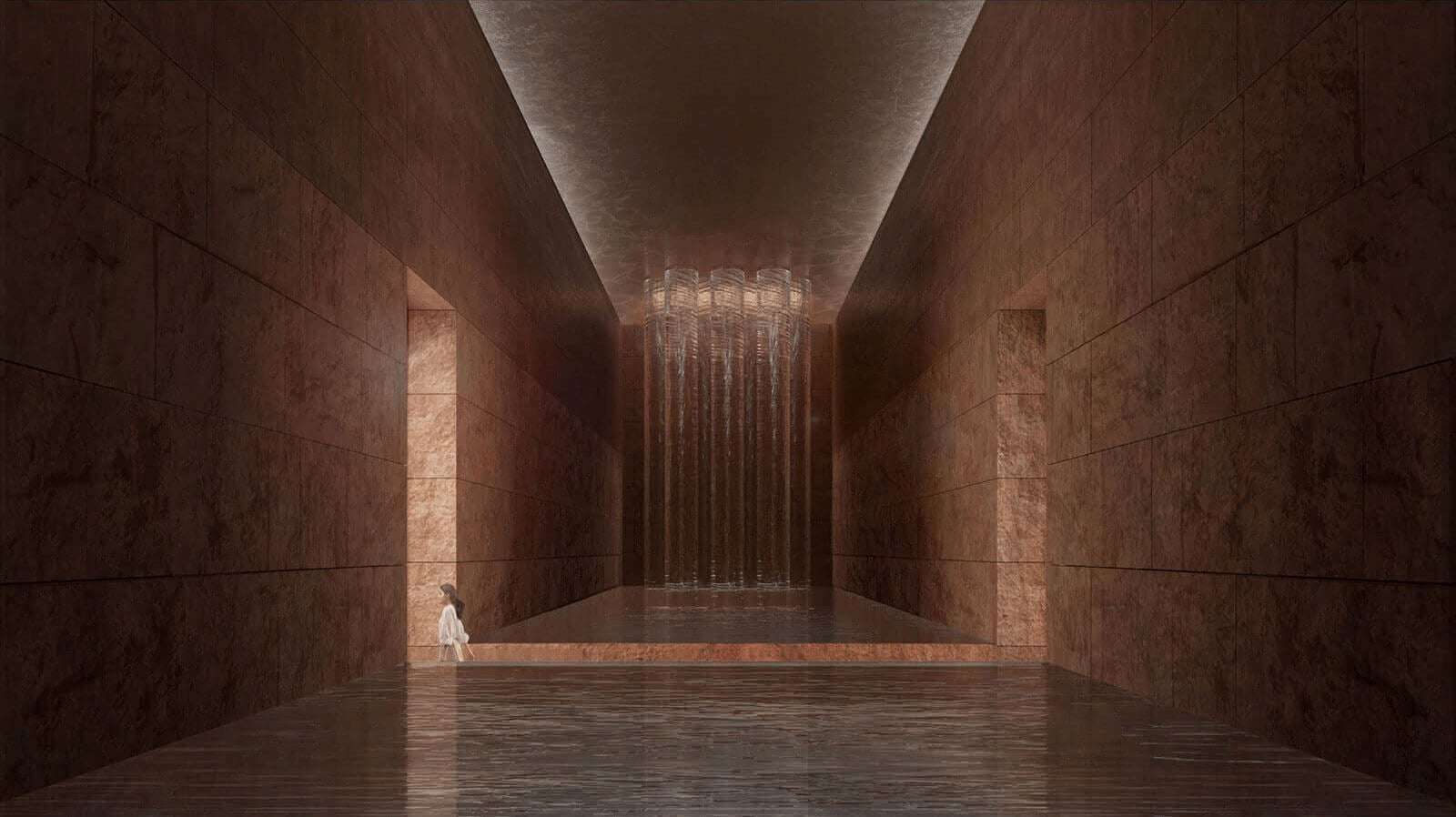 At select moments visitors will be eye-level with water. (Courtesy Níall McLaughlin Architects)
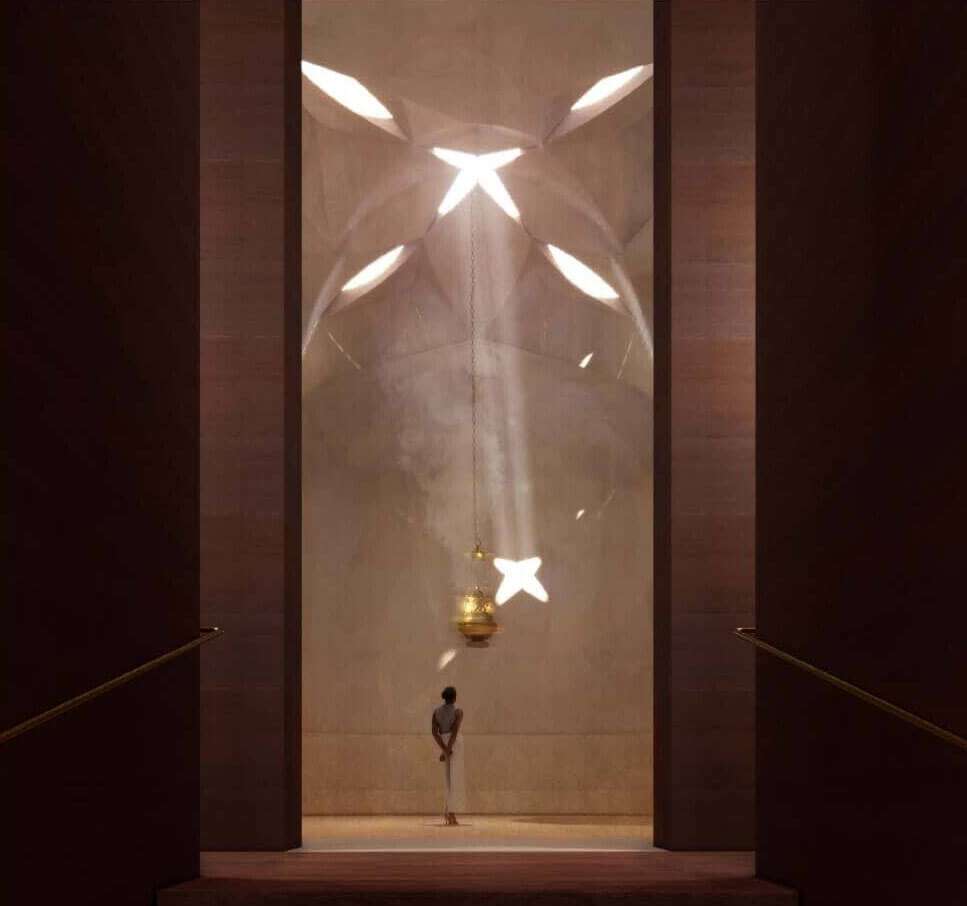 One space pierced with an oculus will have a massive gold orb that floods the room with incense. (Courtesy Níall McLaughlin Architects)
The future museum is expected to welcome between 400,000 and 450,000 visitors per year, the Jordanian Ministry of Tourism and Antiquities estimates. It is endorsed by His Majesty King Abdullah II bin Al-Hussein of the Hashemite Kingdom of Jordan.
The Foundation for the Development of the Lands Adjacent to the Baptism Site is the client, and the project will be funded in part by donors from the Church of Jesus Christ of Latter-day Saints.
The Museum of Jesus’ Baptism will open in 2030, to commemorate the upcoming bimillennial anniversary of Christ’s baptism by John the Baptist.