
Hanif Kara‘s essay from MASS’s book Seeking Abundance articulates how and why architectural practice must change
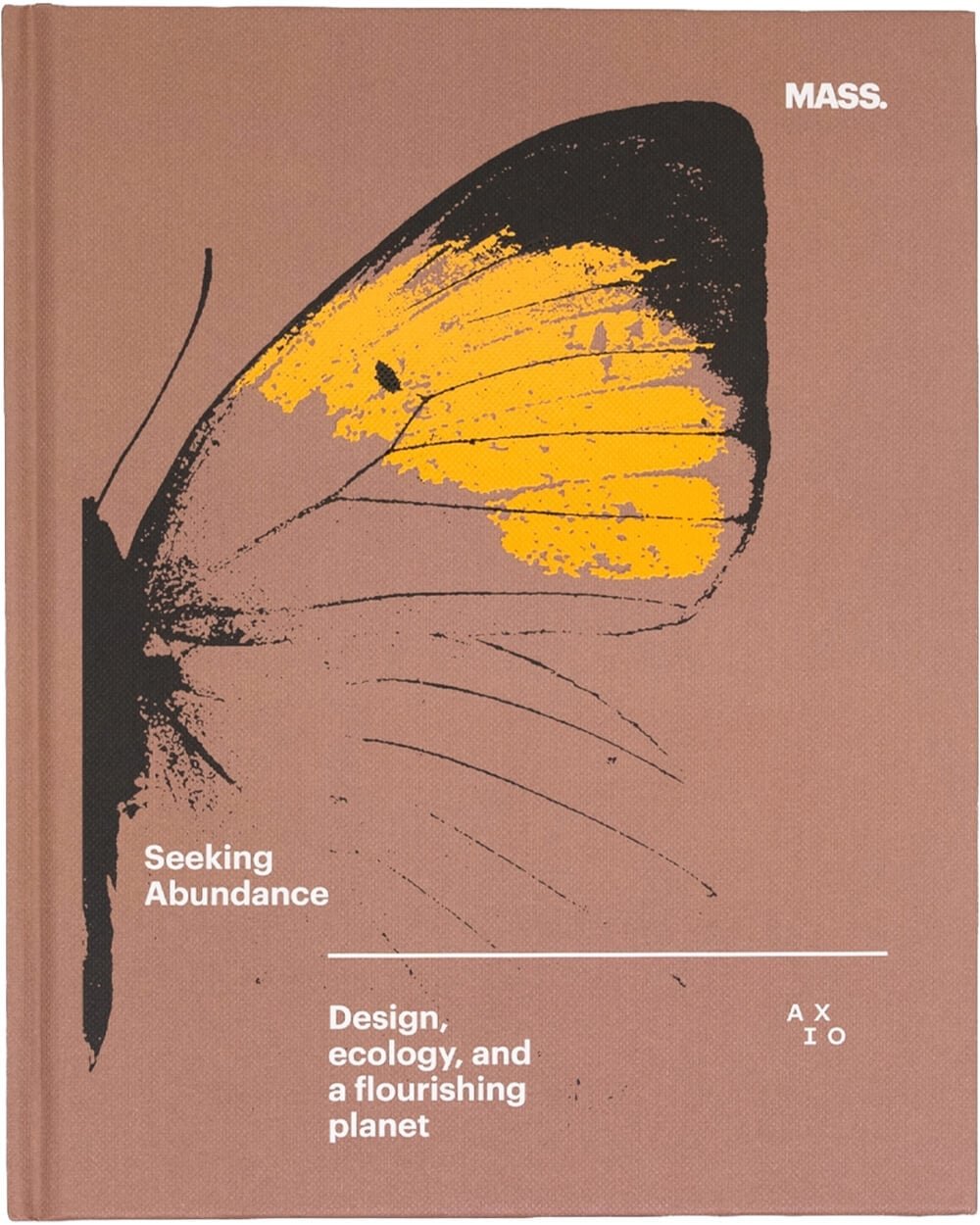
Seeking Abundance: Design, Ecology and a Flourishing Planet is a new book by Model of Architecture Serving Society (MASS) published by Axiomatic Editions and edited by AN contributor William Richards. Within, MASS shares its regenerative design practice through a series of projects in Rwanda and the Democratic Republic of the Congo. The book, co-edited by Sierra Bainbridge and Alan Ricks, examines how the power of multidisciplinary collaboration, regenerative practices, and community engagement can actively contribute to a healthier, more harmonious world.
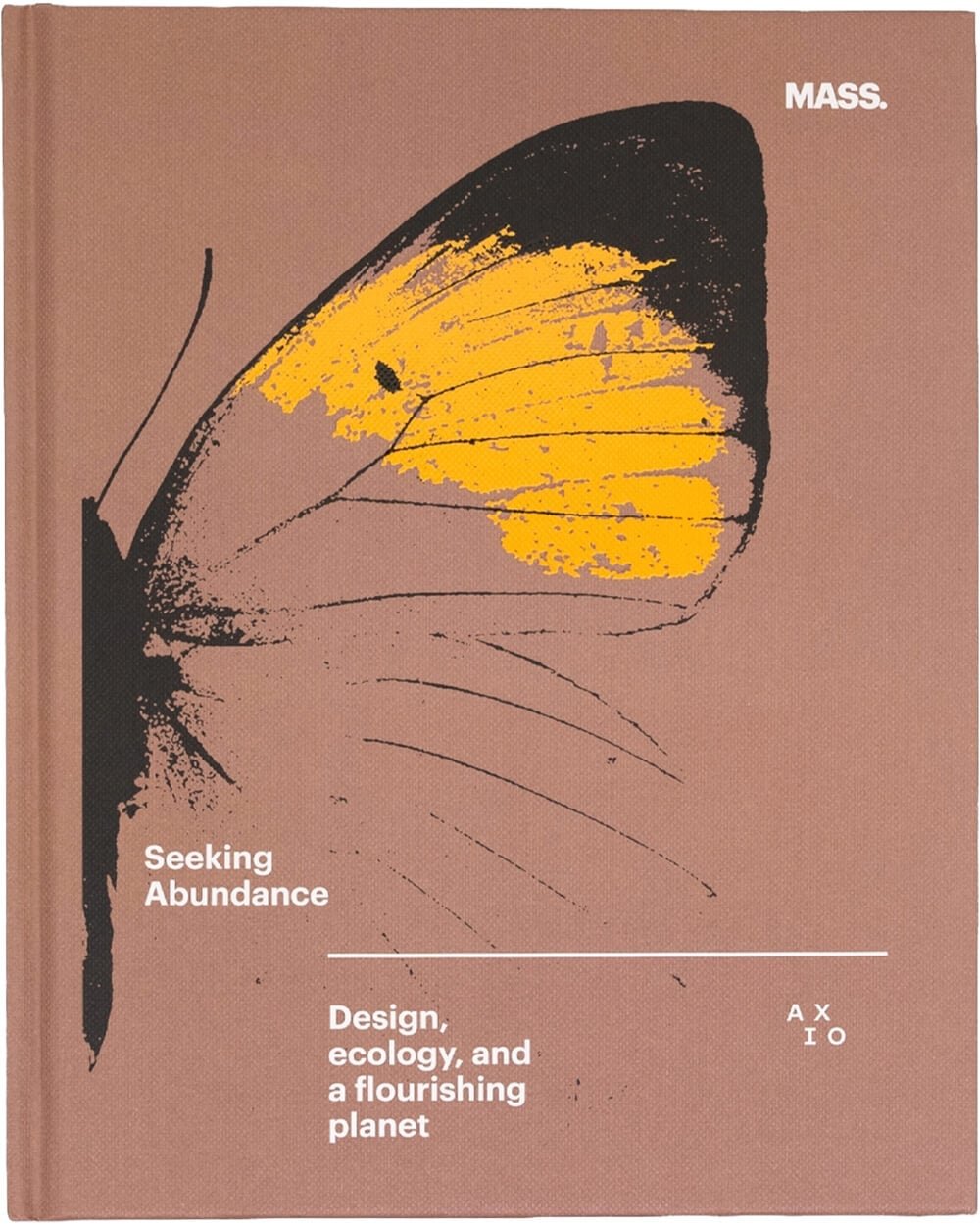 The cover of Seeking Abundance: Design, Ecology and a Flourishing Planet (Courtesy MASS Design Group)
In the essay “Metronomic Practice: From Despair to Possibility,” excerpted in full below, structural engineer and educator Hanif Kara articulates how and why architectural practice must change based on our global crises.
Architecture today is in a state of flux, responding to an ever-changing world marked by a growing climate crisis and an increasingly unjust global order. More than just the act of building, architecture is undergoing profound transformation. It is shifting, expanding into new fields, and retreating from others as it grapples with the present. In this state of crisis, conversations about architecture often begin with an acknowledgment of the urgency of our times—particularly the climate emergency. Architects and related professionals must diversify their approaches, remain adaptable, and take responsibility for the damage we have historically caused.
The global crisis, largely driven by the development of the built environment and its heavy reliance on technological advancements, presents a paradox. However, the systems that have exacerbated our challenges may also hold the keys to addressing them, provided they are employed wisely. This moment in history demands that architecture, traditionally focused on construction, must now engage with broader social, economic, and ecological systems that both influence and are influenced by it.
Recent architectural practices recognize that past models are inadequate for addressing contemporary needs. Model of Architecture for Society (MASS) architects and designers, from their inception, have distanced themselves from conventional architectural practices, academia, and professional norms. In doing so, they embrace an approach rooted in immediacy—responding directly to the pressing needs of communities, particularly in the Global South. Through their work, they frequently rediscover knowledge that has been long dismissed or devalued. This knowledge, often rooted in traditional wisdom, is increasingly relevant today. Their work, with illustrations of processes outlined in Seeking Abundance: Design, Ecology and a Flourishing Planet, integrates these principles with contemporary strategies, creating a bridge between past and present.
At the intersection of architecture, community development, and material supply chains, these projects reimagine construction as a business model that prioritizes social impact and ecological balance over profit maximization. The success of these initiatives is not measured by traditional architectural excellence but by their ability to reshape the relationship between space, society, and sustainability. This evolving practice has the potential to redefine architectural practice itself.
A Systems-Thinking Approach
A defining feature of these architectural interventions is their systems-thinking approach—a method that moves beyond isolated problem-solving to consider the built environment as part of a larger, interdependent web of social, economic, and ecological systems. This holistic perspective acknowledges that architecture is not merely a collection of physical spaces but a network of systems that influence and are influenced by broader societal structures. Architects must therefore broaden their scope, collaborating with the many other actors and forces that shape the world.
Healthcare infrastructure projects, such as the Butaro District Hospital in Rwanda, illustrate this systems-thinking approach well. The hospital was not designed as a standalone facility but as a holistic intervention addressing public health, local employment, and supply chain sustainability. It employs passive ventilation strategies to reduce airborne diseases while using locally sourced materials to support the regional economy. Training programs for local workers ensure that the knowledge embedded in the construction process remains within the community, creating a sustainable legacy of expertise. This hospital is a model of how architecture, approached systemically, can catalyze long-term social transformation.
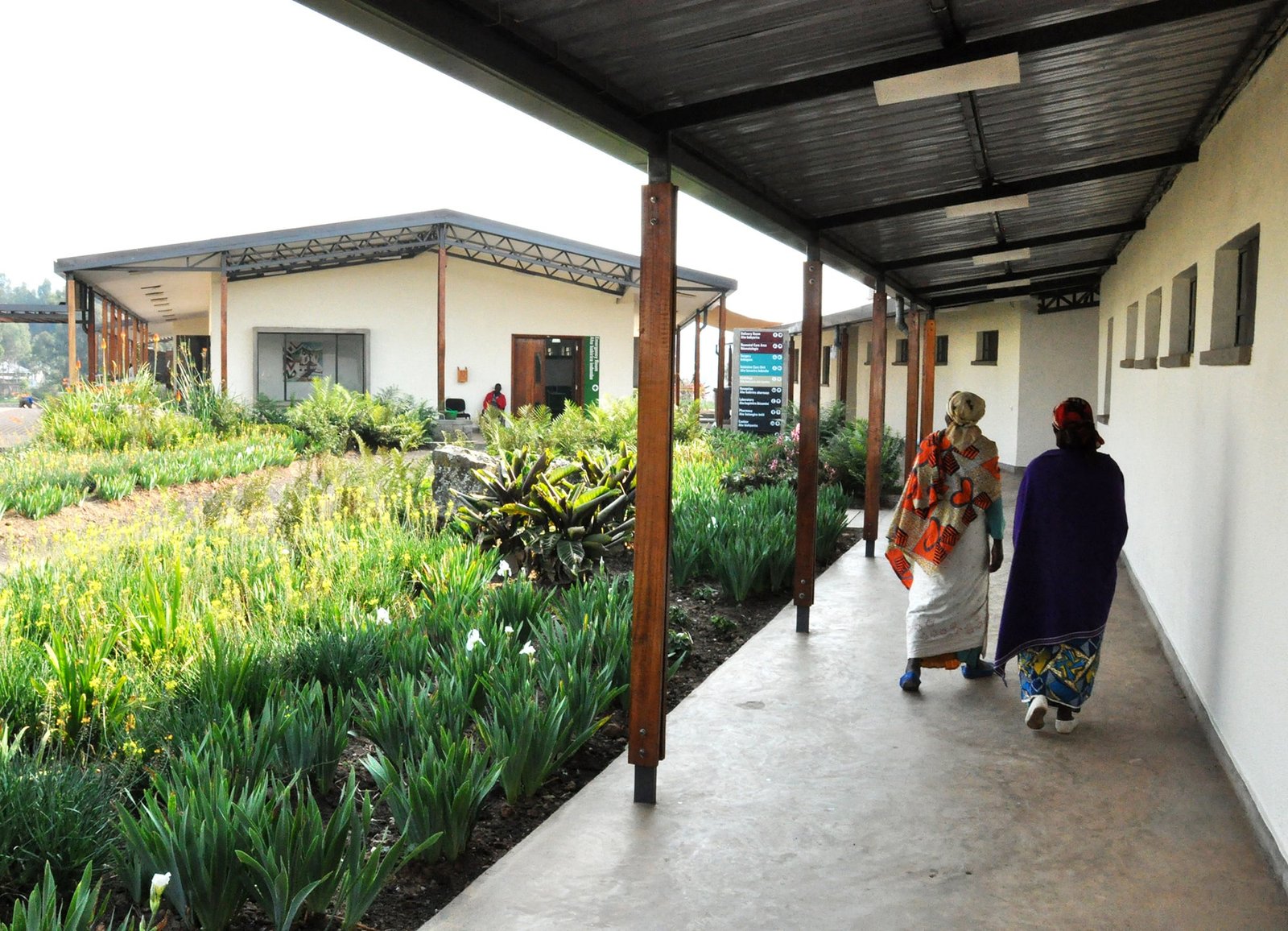 Butaro Hospital Rwanda (Courtesy MASS)
Memorial architecture projects, like the National Memorial for Peace and Justice in the U.S., demonstrate how the built environment can play a pivotal role in historical reckoning and social healing. These projects engage with the present, shaping conversations about racial justice, not merely commemorating past injustices. By positioning architecture as both a narrative and spatial system, these works embed justice and historical truth into society’s fabric.
The Rwanda Institute of Conservation Agriculture exemplifies this approach, integrating agriculture, conservation, and community engagement while experimenting with architecture’s role from both micro and macro perspectives.
 The Rwanda Institute for Conservation Agriculture (Iwan Baan/Courtesy MASS)
Craft, Technology, Knowledge, and Being
Adopting an epistemological lens—one that examines the nature of knowledge—reveals how these projects synthesize craft and technology. The integration of both is not merely aesthetic but a strategic decision that enhances both quality and functionality while fostering community engagement. The architectural strategies we observe in these works combine cutting-edge technologies with traditional craft techniques, creating innovative structures that are contextually grounded. This ensures the architecture remains sensitive to local culture and history, responding to future needs while honoring the past.
By embracing local craftsmanship, these projects recognize the tacit knowledge embedded within communities—insights often overlooked in conventional architectural practices. This aligns with the concept of “epistemologies of making,” where construction is seen not just as a technical process but as a knowledge-producing activity. Engaging local artisans is not only a means of preserving cultural heritage but also a way of infusing projects with unique, place-specific qualities that standardized, industrialized construction methods may lack. Technology serves to enhance, rather than replace, the human touch in these projects.
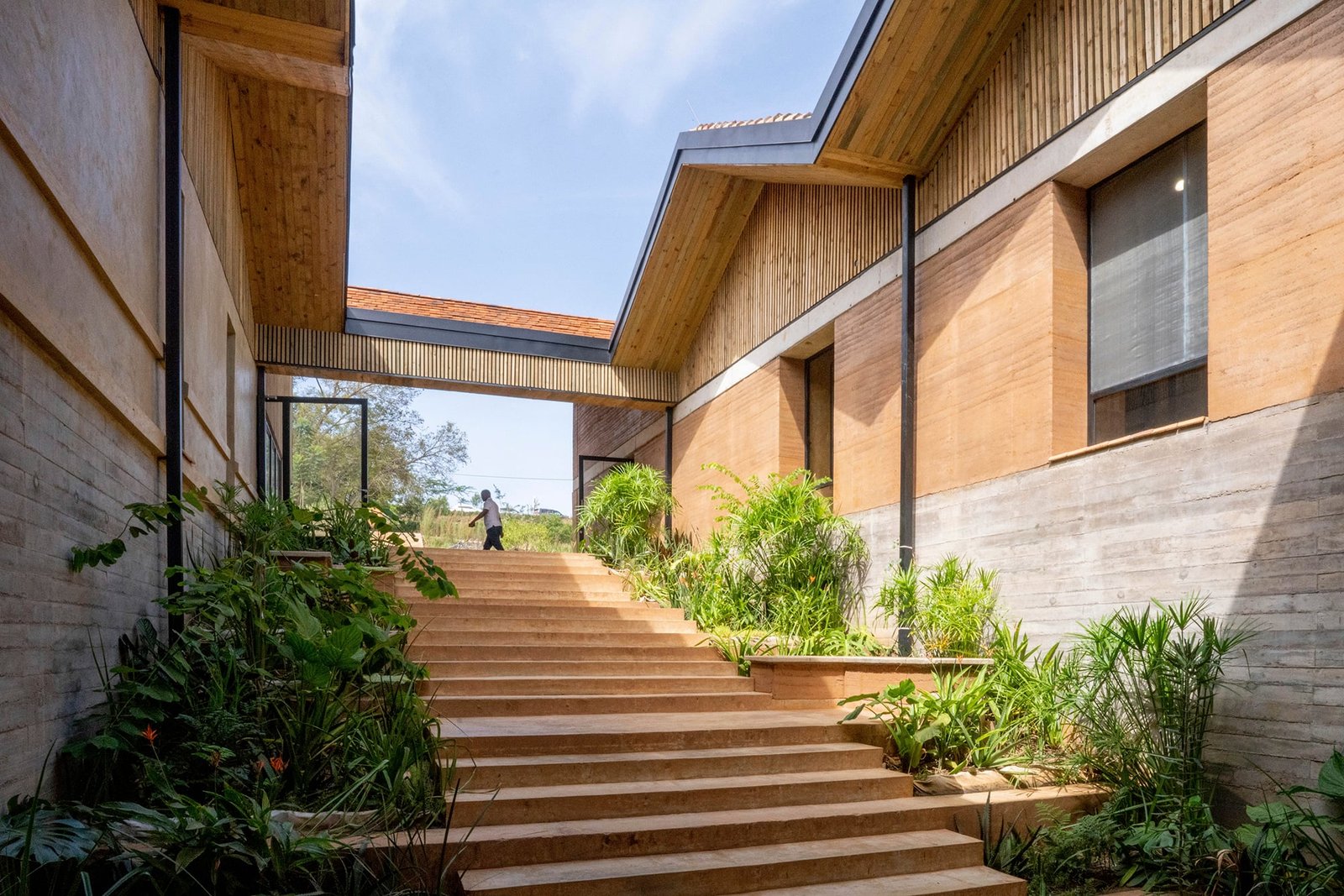 The Rwanda Institute for Conservation Agriculture (MASS Design Group)
An ontological perspective—examining the nature of being—adds another vital dimension to these architectural works. Architecture, through an ontological lens, is not merely a structure but an agent of being, shaping how people experience the world and themselves. It challenges the traditional notion of buildings as static entities and views them as dynamic environments that influence how individuals interact with one another and the world around them.
From this ontological perspective, architecture becomes an intimate expression of human experience. It influences the way we relate to one another and to space itself. The architecture of these projects is a medium through which communities negotiate their identities, histories, and futures. By integrating an ontological understanding, architecture shapes not only the functional aspects of space but also the emotional and psychological impacts on its inhabitants.
This approach encourages architects to consider how buildings make people feel—whether they foster connection or alienation, belonging or exclusion. It calls attention to the sensory and experiential qualities of architecture, such as the interplay of light and shadow, the texture of materials, and the arrangement of space, which can profoundly affect human consciousness. Architecture, from this perspective, is a site of being, not just shelter.
Through both epistemology and ontology, architecture bridges the gap between knowledge and experience. Knowledge is not just abstract but embodied and lived. This integrated approach allows architectural practice to become more holistic, human-centered—recognizing that architecture is not just about what we know, but about how we feel, how we exist, and how we connect with the world and each other.
 Wood samples from the Rwanda Institute for Conservation Agriculture: MASS tested hundreds of samples of timber from regional suppliers and graded each sample based on its best use, dramatically reducing waste in the project. (Chris Schwagga/Courtesy MASS)
Architecture as an Adaptive System
In a world increasingly defined by uncertainty—due to climate change, social upheaval, or economic instability—these architectural projects demonstrate that architecture must be adaptive, responsive, and deeply integrated within its surrounding systems. These interventions do not impose rigid solutions but develop context-specific responses that evolve with the needs of the people they serve. Rather than offering a universal model, the approach creates a flexible framework that adapts to different circumstances over time.
For instance, research into climate-resilient products and sustainable material sourcing challenges traditional construction methods that prioritize efficiency over ecological responsibility. Sustainability is not treated as an afterthought but embedded into the design process. This approach aligns with regenerative design principles, which not only minimize harm but create buildings that actively contribute to environmental and social well-being. Adaptive architecture provides a nuanced and responsive model for addressing the challenges of the 21st century.
 The Rwanda Institute for Conservation Agriculture (MASS)
Redefining Architectural Practice
Ultimately, this body of work calls for a redefinition of architectural practice—one that resists the traditional separation between architect and community, between design and impact. These projects exemplify an emerging model of architectural agency that is participatory, ethical, and embedded in systems thinking. Rather than viewing architecture as a finite act of construction, these projects see it as an ongoing process of engagement, learning, and adaptation. Architecture becomes a conversation between space, society, and the environment.
The examples discussed illustrate how architecture, when approached with systems thinking, epistemological insight, and a craft-centered lens, can contribute to a more equitable and sustainable future. This approach embraces complexity and difference, rather than simplifying or homogenizing, and redefines what architecture can be in response to contemporary crises.
By integrating systems thinking, technological innovation, and traditional knowledge, these projects not only respond to immediate challenges but also reimagine the future of architecture as a discipline deeply embedded within broader societal, ecological, and economic networks. In doing so, they offer a model of practice that restructures the systems that create problems in the first place.
Hanif Kara is a structural engineer and professor in practice of architectural technology at the Harvard Graduate School of Design.
