Facades+ returns to Los Angeles on December 11 and 12
On December 11, the Facades+ conference series returns to Los Angeles with an exciting program developed in collaboration with NBBJ, followed by a day of interactive workshops on December 12. The event will take place at the Sheraton Grand Los Angeles, where attendees are also encouraged to explore the Methods + Materials gallery featuring 45 exhibiting building-product companies.
Click here to find more information and register.
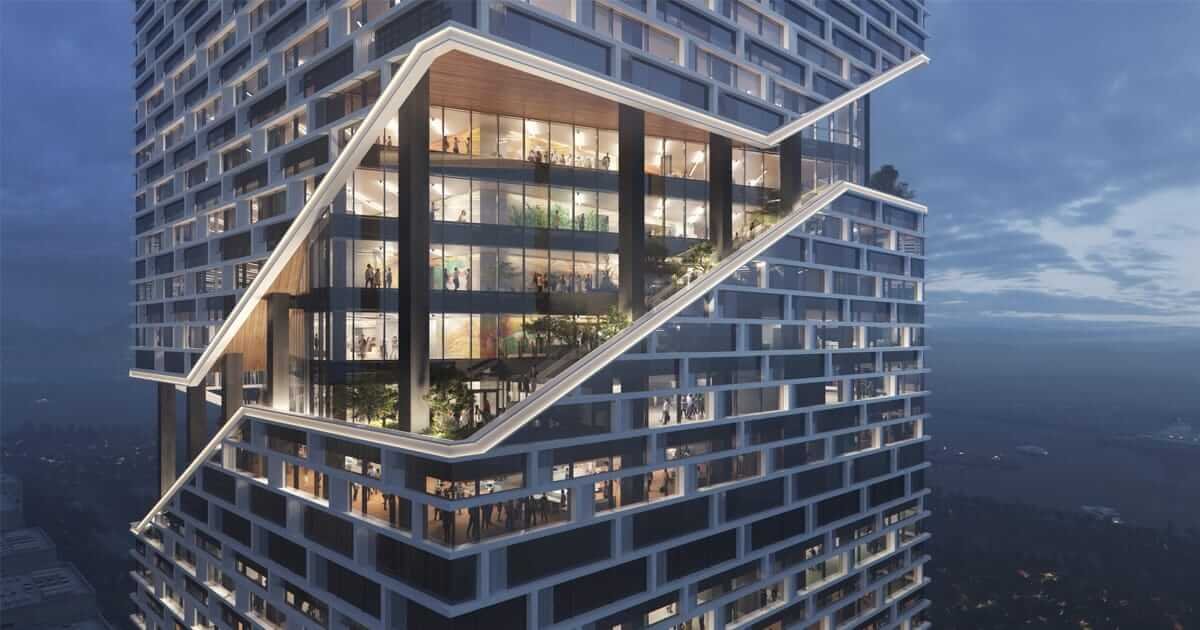
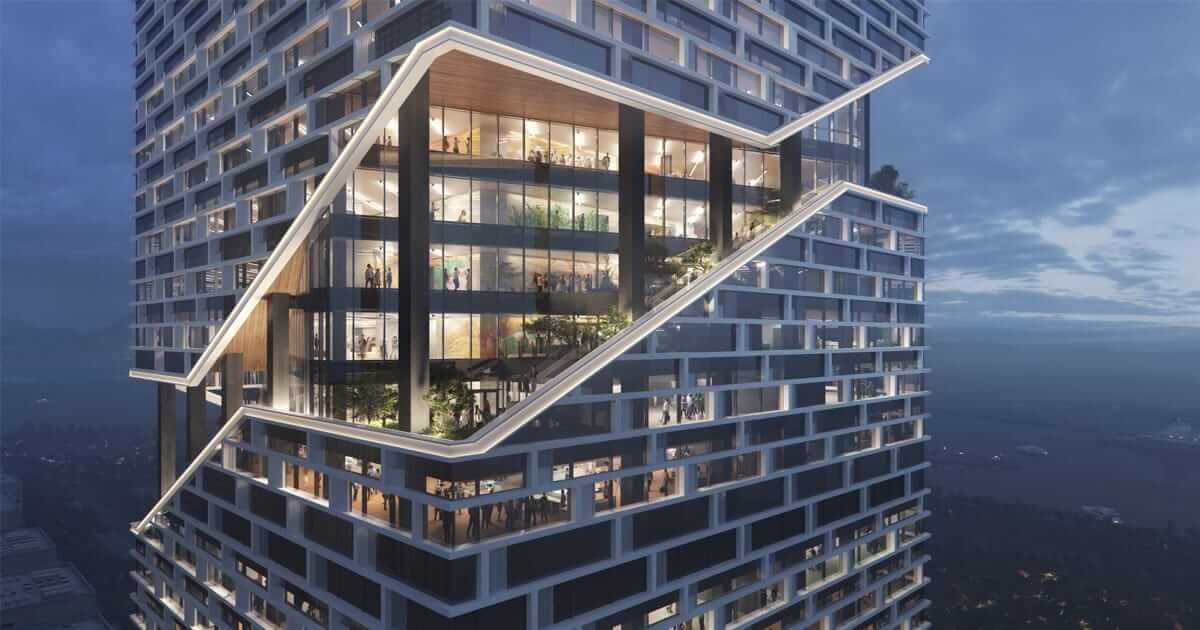 The Hana Bank Headquarters in Seoul features an expansive void around its perimeter. (Courtesy NBBJ)
Dissolving Barriers: A Material Dialogue
In the first session of the day, speakers from NBBJ will explore how glass and wood can transcend their traditional roles to create environments of warmth, transparency, and healing. Through the Hana Bank Headquarters in Seoul and the Montage Health Ohana Campus in Monterey, the presenters will examine how materiality shapes human experience, whether uniting a corporate community through daylight and nature or fostering resilience and connection in a pediatric behavioral health setting. Both projects demonstrate how design can dissolve boundaries between people, place, and well-being, offering new possibilities for restorative and inclusive architecture.
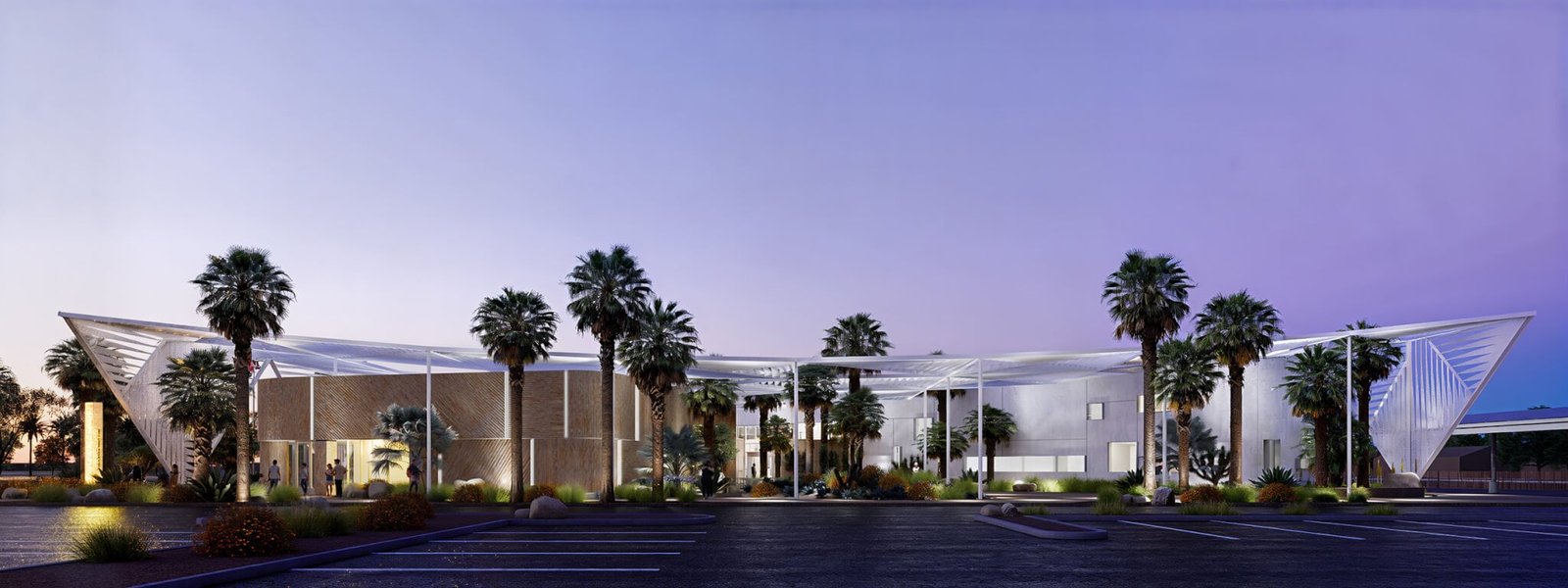 The Palm Desert Library features a dynamic sun shading structure that unifies the program. (Courtesy Richärd Kennedy Architects)
Climate-Responsive Facades: A Place-Based Approach
In the next session, Jim Richärd of Richärd Kennedy Architects will discuss the firm’s site-responsive and technically graceful approach to facade design—one that balances modernity with regional identity and climate. He will share insights through the under-construction Palm Desert Library and additional work that illustrates how thoughtful material choices and contextual strategies can enhance human experience.
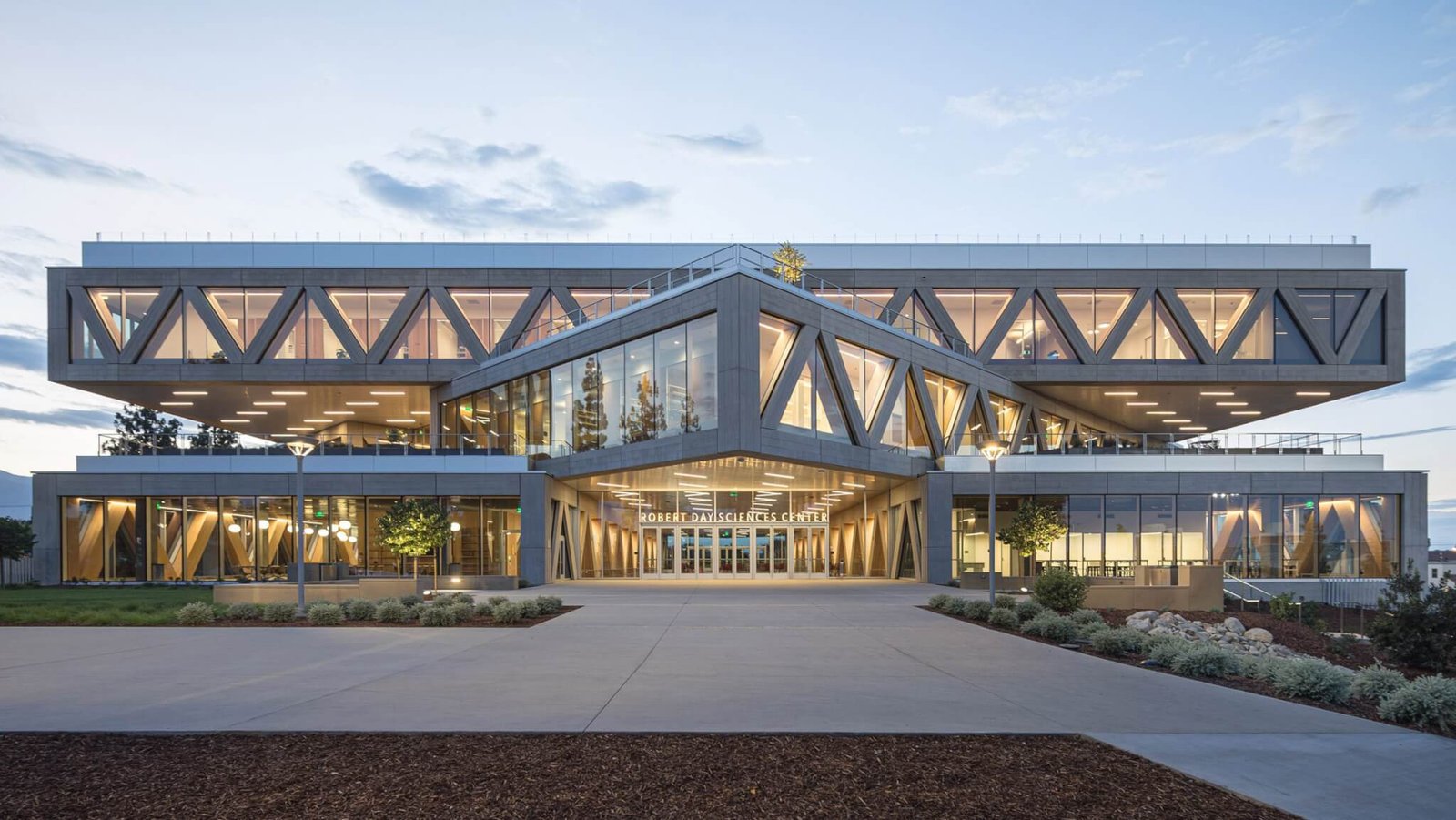 The Robert Day Sciences Center showcases its structural system on the facade of its cantilevered volumes. (Courtesy BIG)
Rationalizing Mixed Material Facades for Robert Day Science Center at Claremont McKenna College
Next, Amir Mikhaeil of BIG and Alex Rosenthal of Heintges will present the recently completed Robert Day Sciences Center, the inaugural building in BIG’s masterplan for Claremont McKenna College. The 4-story, 135,000-square-foot integrated sciences center is composed of stacked and rotated truss volumes, resulting in a dynamic series of laboratories, terraces, classrooms, and communal spaces. The presenters will discuss how the board-formed GFRC unitized curtain wall panels were designed to celebrate the structural system while blurring boundaries with the Douglas-fir-clad interior trusses. Technical challenges and the collaboration among the project’s Southern California–based team will also be highlighted.
Facade Intelligence, Cells, Layers and Fragments
In the following session, keynote speaker Winka Dubbeldam of Archi-Tectonics will explore architecture in the Anthropocene through the lens of the facade as an adaptive ecological system. Inspired by plant intelligence—organisms that can act as hyper-accumulators—the presenters will examine facades as living membranes that breathe and filter air, mediating between building and city. Rather than inert skins, these responsive systems are conceived as layered, cellular structures that engage light, air, and atmosphere. Drawing on the evolutionary idea of “hopeful monsters,” the session will consider how facades can embrace transformation, resilience, and ecological participation in a climate-conscious future.
Circularity, Embodied Carbon, and the Facade Supply Chain
In the final session of the day, a roundtable will bring together leaders from Eckersley O’Callaghan, Digne, Buro Happold, and Infinite Recycled Technologies to discuss the growing international movement toward circularity in construction and the design of buildings for deconstruction and reuse. Speakers will reflect on successes and challenges from pilot projects of varying scales and consider how the facade supply chain is evolving to support a more sustainable, lower-carbon future.
Click here to find more information and register.