

comprehensive collection of paintings by louise bourgeois debuts at the MET
the artist’s early work
New York City’s Metropolitan Museum of Art opens ‘Louise Bourgeois: Paintings‘ on April 12th, and will run until August 7th, 2022. The show marks the first comprehensive exhibition of paintings produced by the 1911-born French-American artist between her arrival in New York in 1938 and her turn to sculpture in the late 1940s.
While Bourgeois is best known today as a sculptor, it is in this early body of work — created in the decade spanning World War II — that her artistic voice emerged, establishing a core group of visual motifs that she would continue to explore and develop over the course of her celebrated, decades-long career. Informed by new archival research, the exhibition sheds light on a little-known chapter in the artist’s practice.
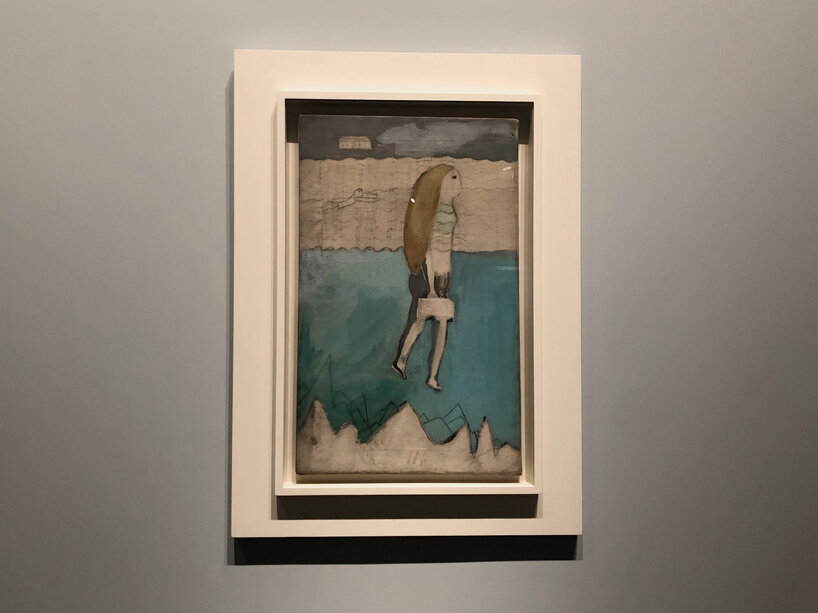 The Runaway Girl, Louise Bourgeois, 1938 | all images © designboom
Placing Lousie Bourgeois at the start of WWII
The collection of paintings by Louise Bourgeois at the Met (see more here) was produced between her arrival in New York from Paris in 1938 and her departure from the medium around 1949. The paintings are largely understood as self-portraits, and serve to identify and locate the artist. At the same time, the works refer to the sense of displacement that accompanied her move to the United States on the eve of the Second World War.
This early and little-seen body of work reflects Bourgeois’ intimate knowledge of the European avant-garde, especially her interest in modernist architecture and Surrealism.
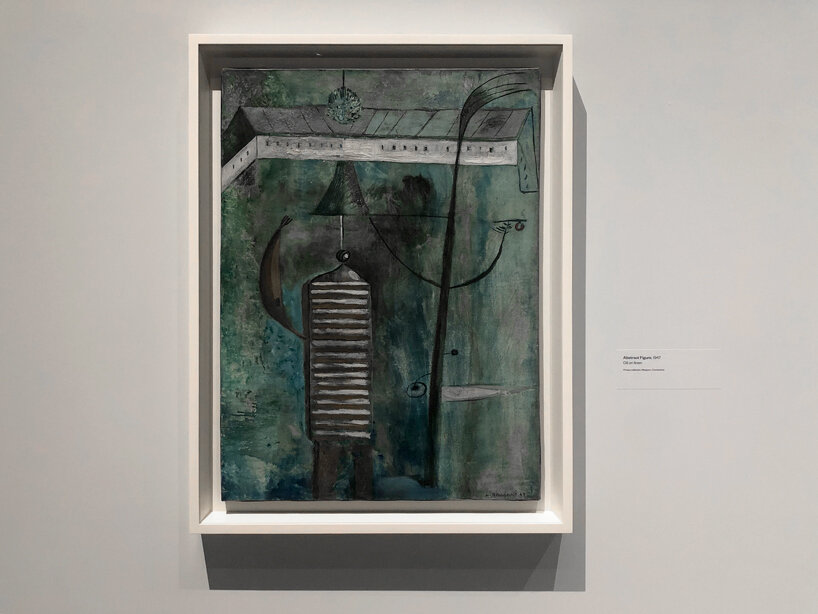
Abstract Figure, 1947
The first influences on her paintings
Also evident in the paintings exhibition is Louise Bourgeois’ interest in French and Italian Renaissance conventions for representing three-dimensional space, which she accessed in drawings and prints from the Met Collection. In these works, she established architectural space as a core artistic concern moving forward and developed a visual lexicon of motifs that would reappear consistently throughout her decades-long career.
Though she is best known today as a sculptor, the contours of Bourgeois’ practice come into focus first in paintings.
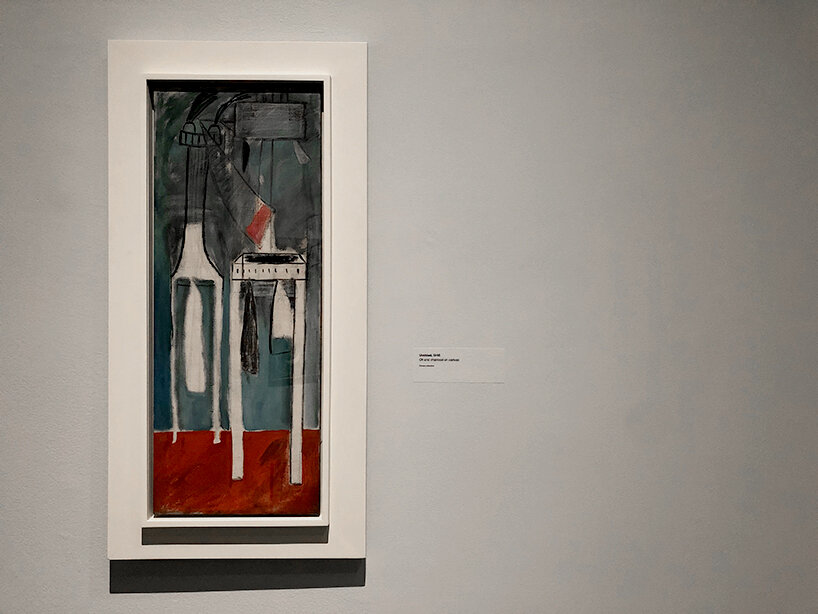
Untitled, 1946
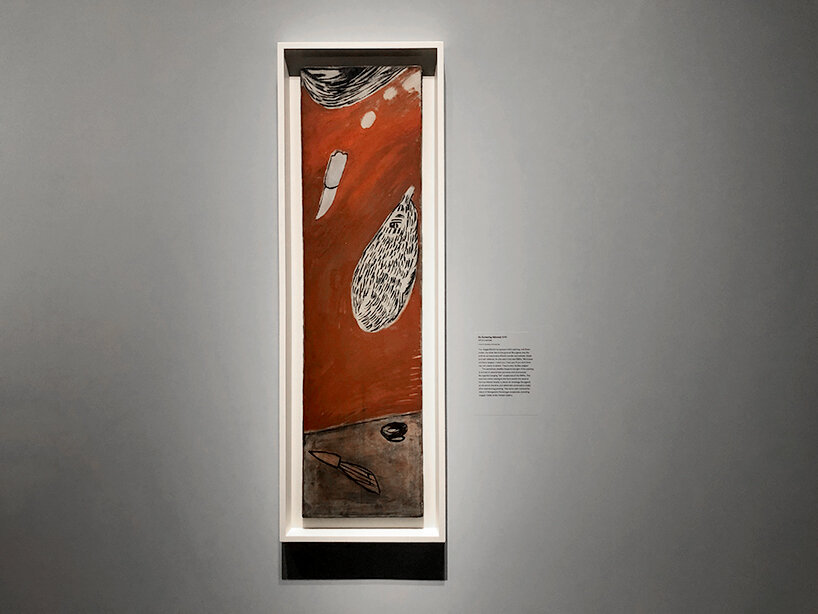
No Swearing Allowed, 1949
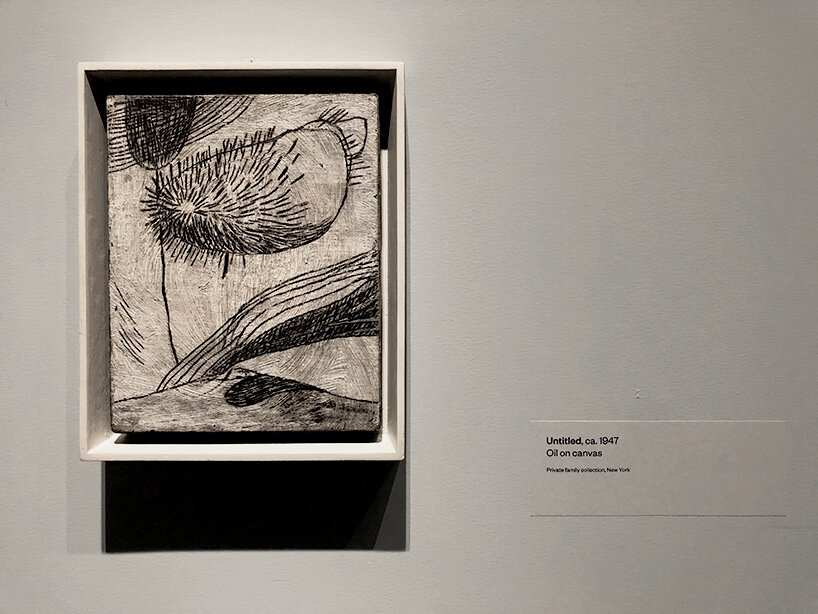
Untitled, 1947