Canadian Cottagecore: 10 Remote Residences Across the Great White North
Architects: Want to have your project featured? Showcase your work by uploading projects to Architizer and sign up for our inspirational newsletters.
When Heated Rivalry blew up on the internet, non-fans and non-Canadian nationals may have been confused by the ubiquitous references to “going to the cottage.” As different outlets profiled the now-famous setting of the series’ final episode, questions abounded. For viewers in the UK, in particular, the gloriously glazed contemporary design in the Canadian series had nothing to do with the bucolic British cottages (perhaps the most famous on-screen version being Rosehill Cottage, the hillside Surrey home featured in The Holiday).
In Canada, however, a cottage means something very different from what it does in the UK. This isn’t a quaint rural house — it’s a ritual. A place you escape to, usually by a lake, often after hours of traffic, where shoes come off and time slows down. As The Cottage’s designers, Trevor McIvor Architects, define it, “What does ‘cottage’ mean? A cottage is an idea, a place where families retreat to reconnect with the landscape and each other. Size is irrelevant. What matters is memory, continuity, and belonging.”
From Muskoka to the Maritimes, cottages take on wildly different forms, but they share a common purpose of providing spaces for both gathering and retreat, engendering a closer relationship to landscape and each other. It’s no accident that the cottage appears so often in Canadian storytelling. Meanwhile, the projects in this collection explore Canadian Cottage Core as an evolving architectural condition. They reveal contemporary design approaches that reinforce the Canadian notion that the cottage is less a building type than it is a shared way of inhabiting land.
Armstrong Cottage
By Peter Braithwaite Studio, Peterborough, Canada
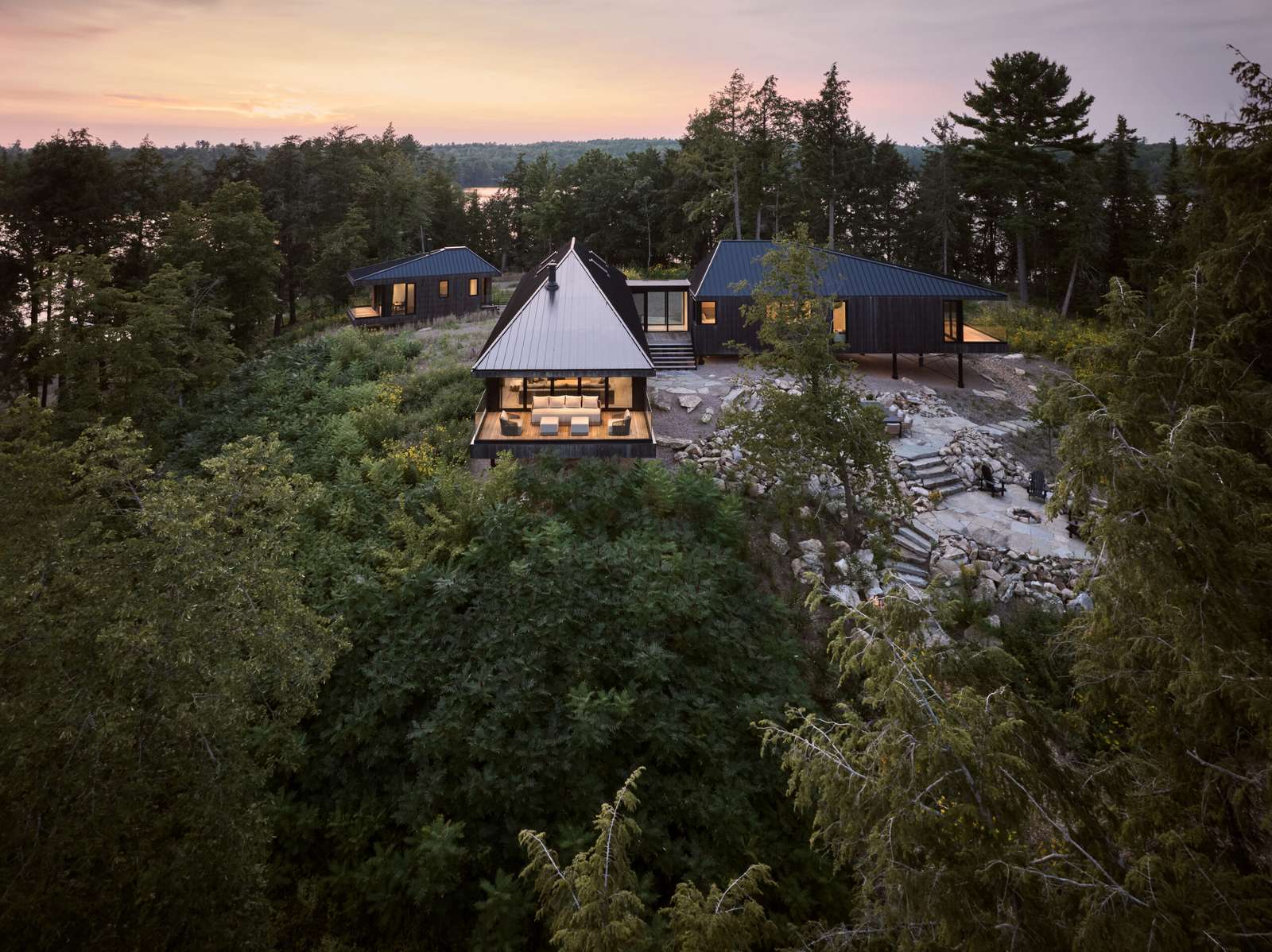
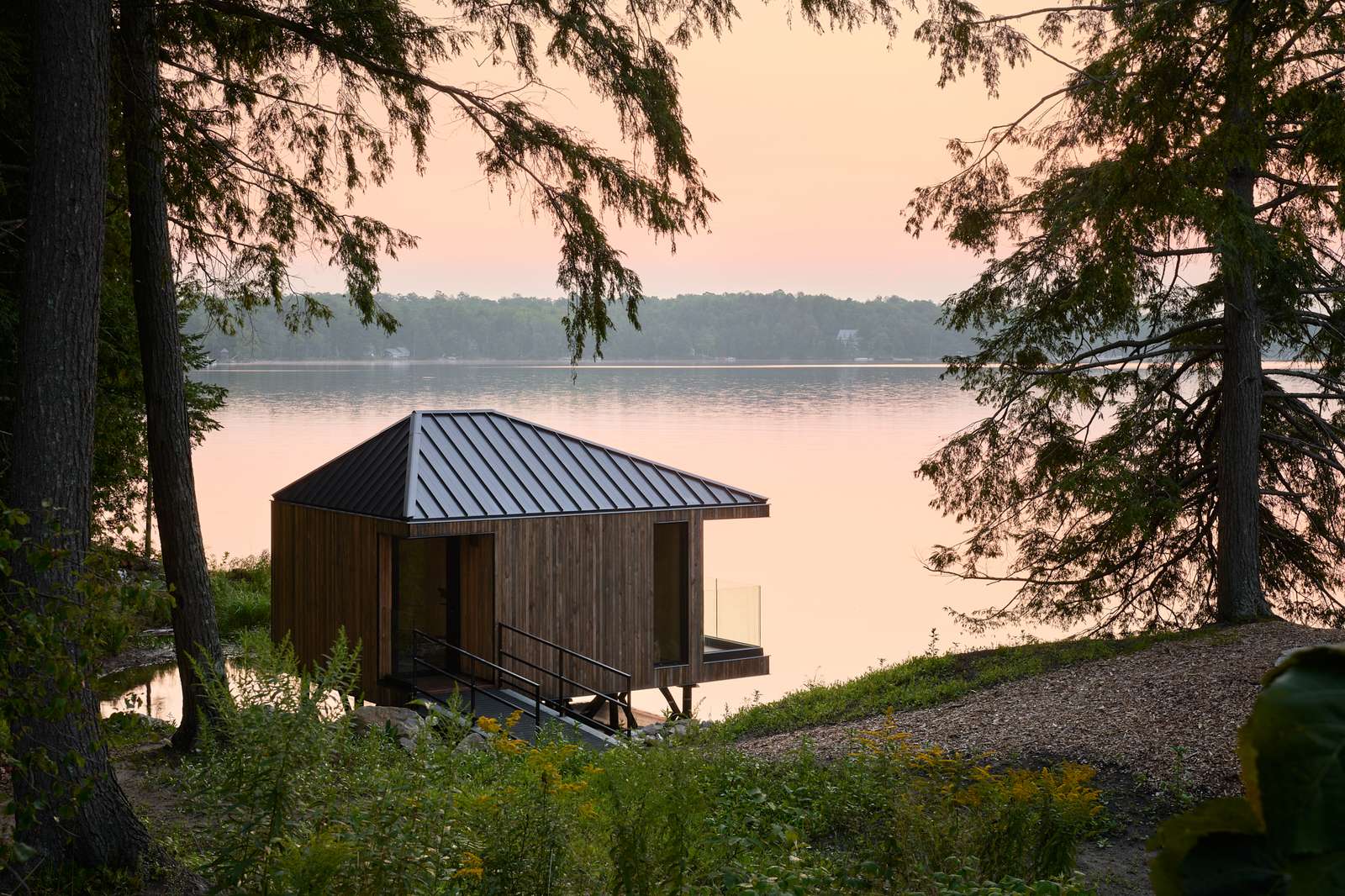 Designed as an off-grid family retreat, this lakeside cottage is composed of two elevated pavilions that hover above the island landscape, minimizing disturbance while maximizing views through the trees. Built as a lightweight kit of parts and assembled under challenging seasonal conditions, the project pairs environmental restraint with a quietly inventive approach to structure and construction.
Catchacoma Cottage
By: Dubbeldam Architecture + Design, Kawartha Lakes, Canada
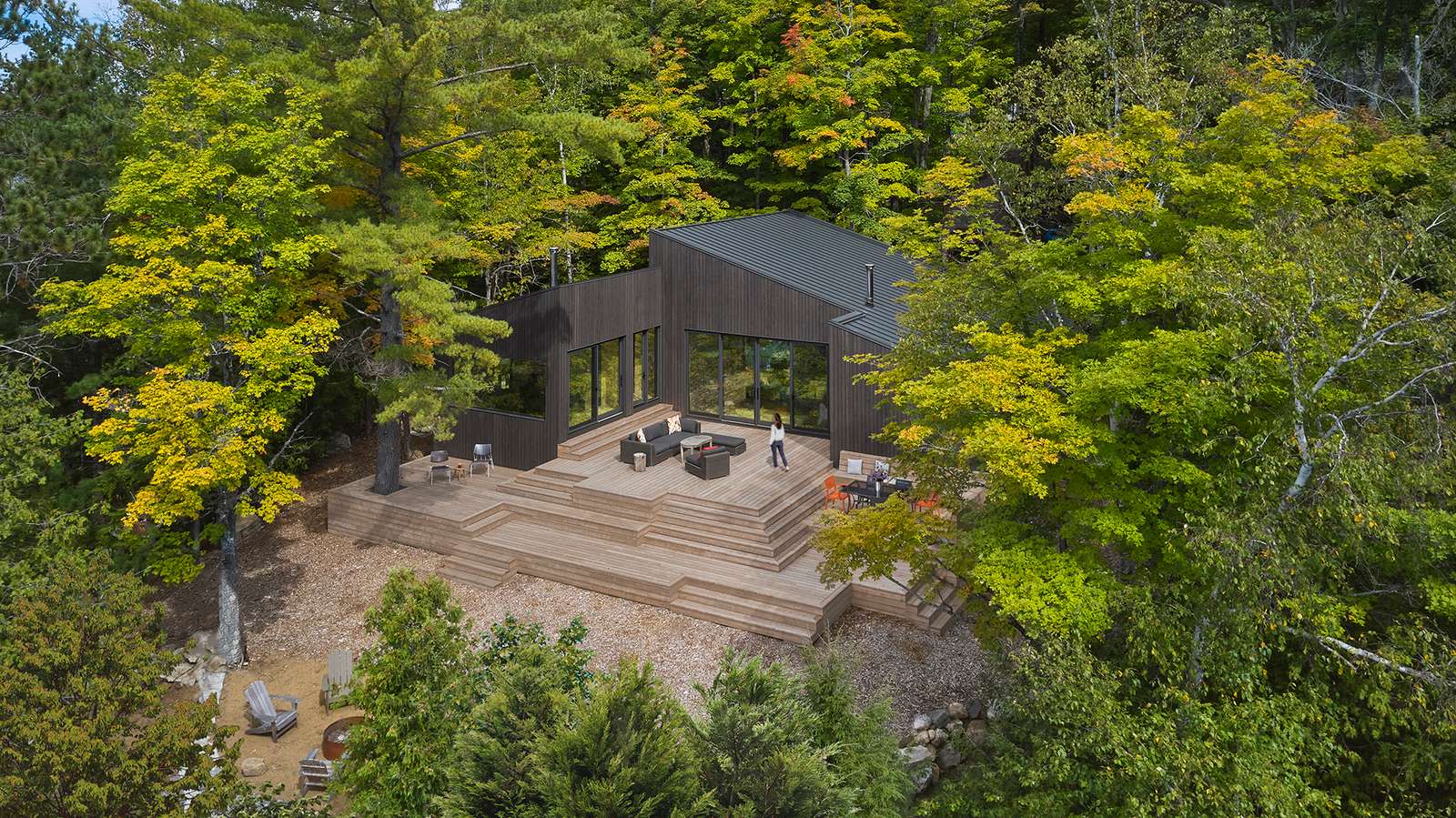
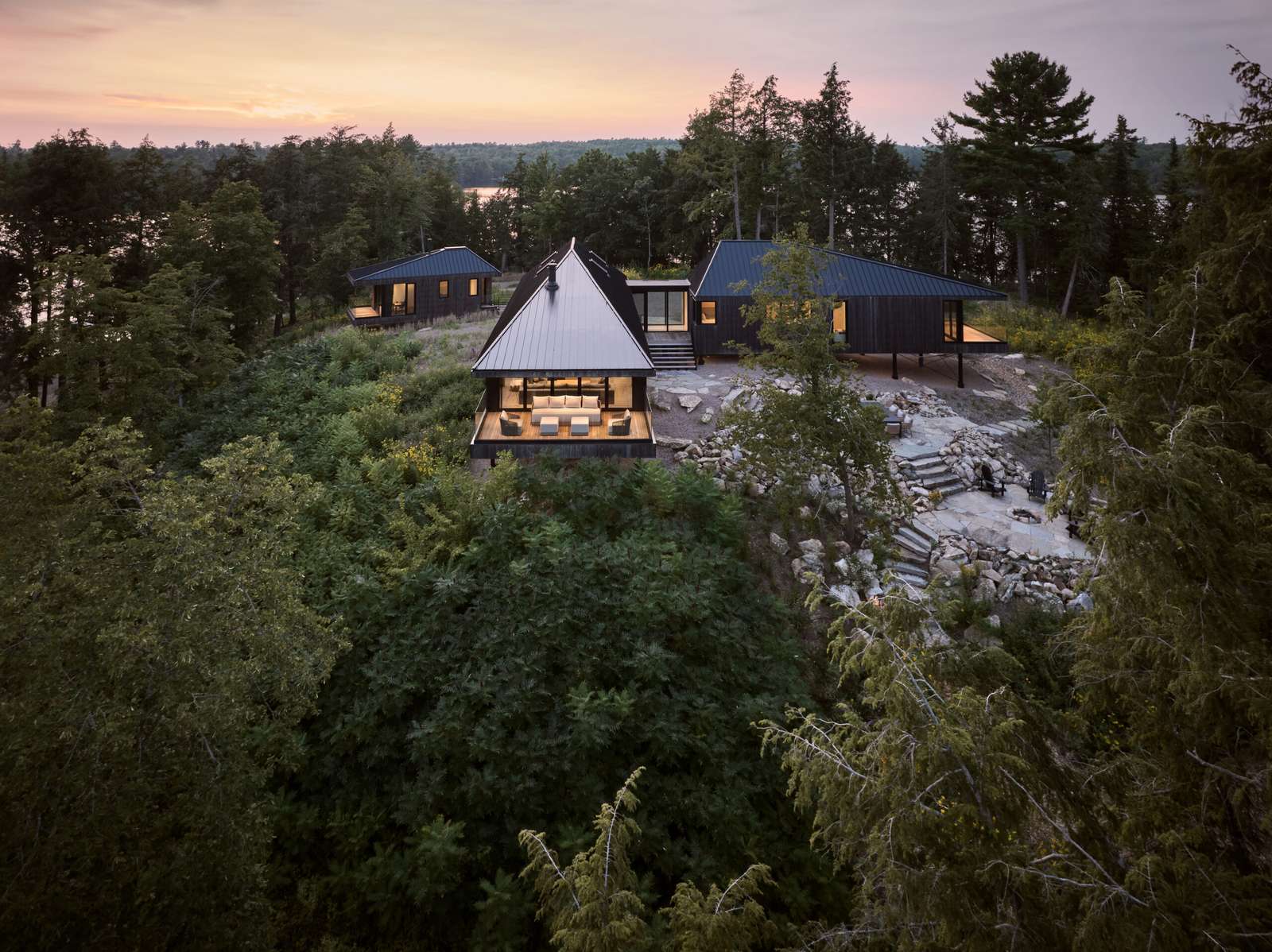
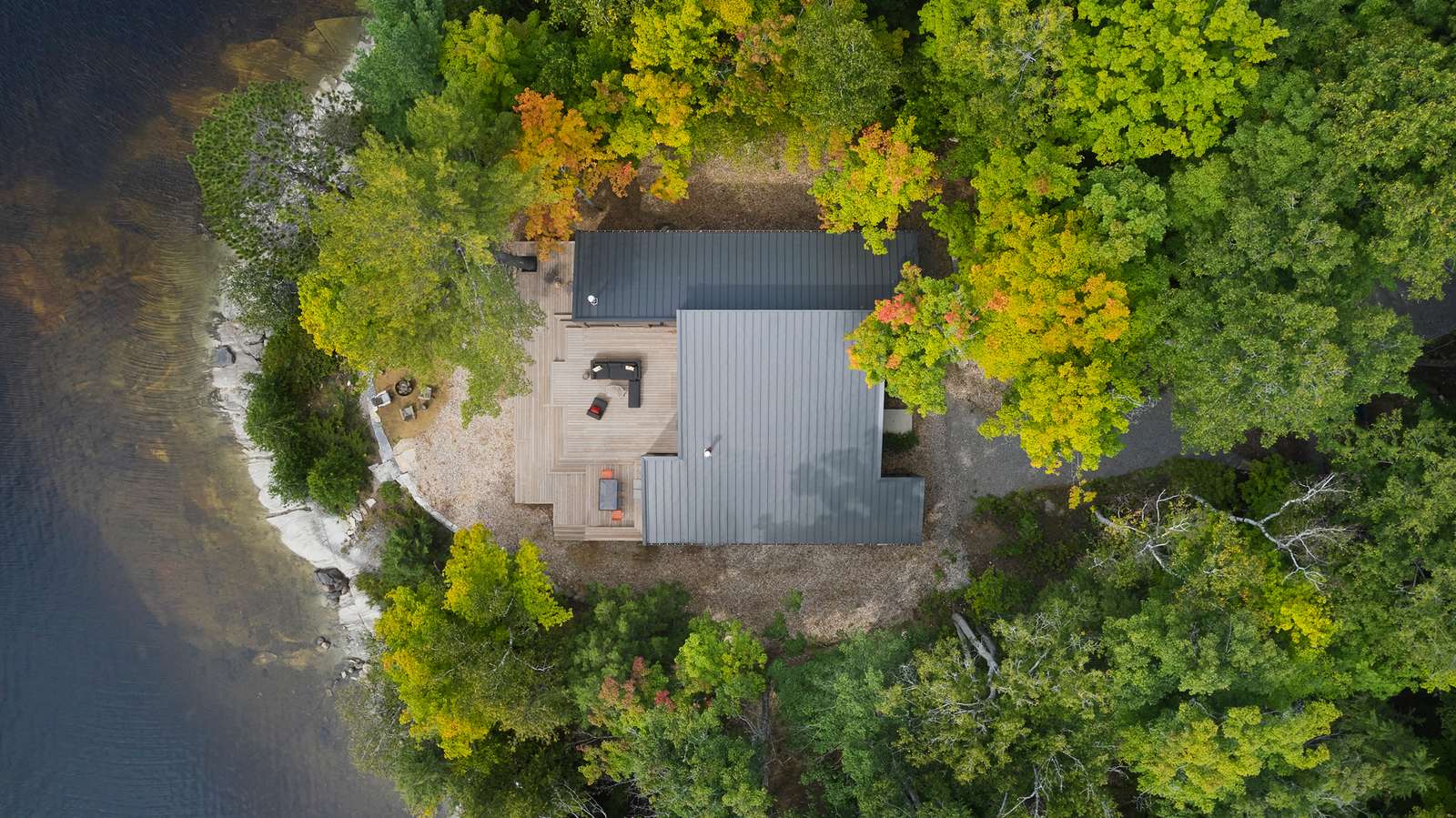 Three steeply pitched volumes step down the slope toward Lake Catchacoma, augmenting a multigenerational program with a quiet conversation with the land. Unified by light-filled interiors, warm wood surfaces and long lake-facing decks, the cottage balances togetherness and retreat — two essential aspects of cottage life. It is a dwelling designed as much for shared meals and long views as it is for spending long afternoons lost in an engrossing book.
Whistling Wind Island
By Akb Architects, Pointe au Baril, Canada
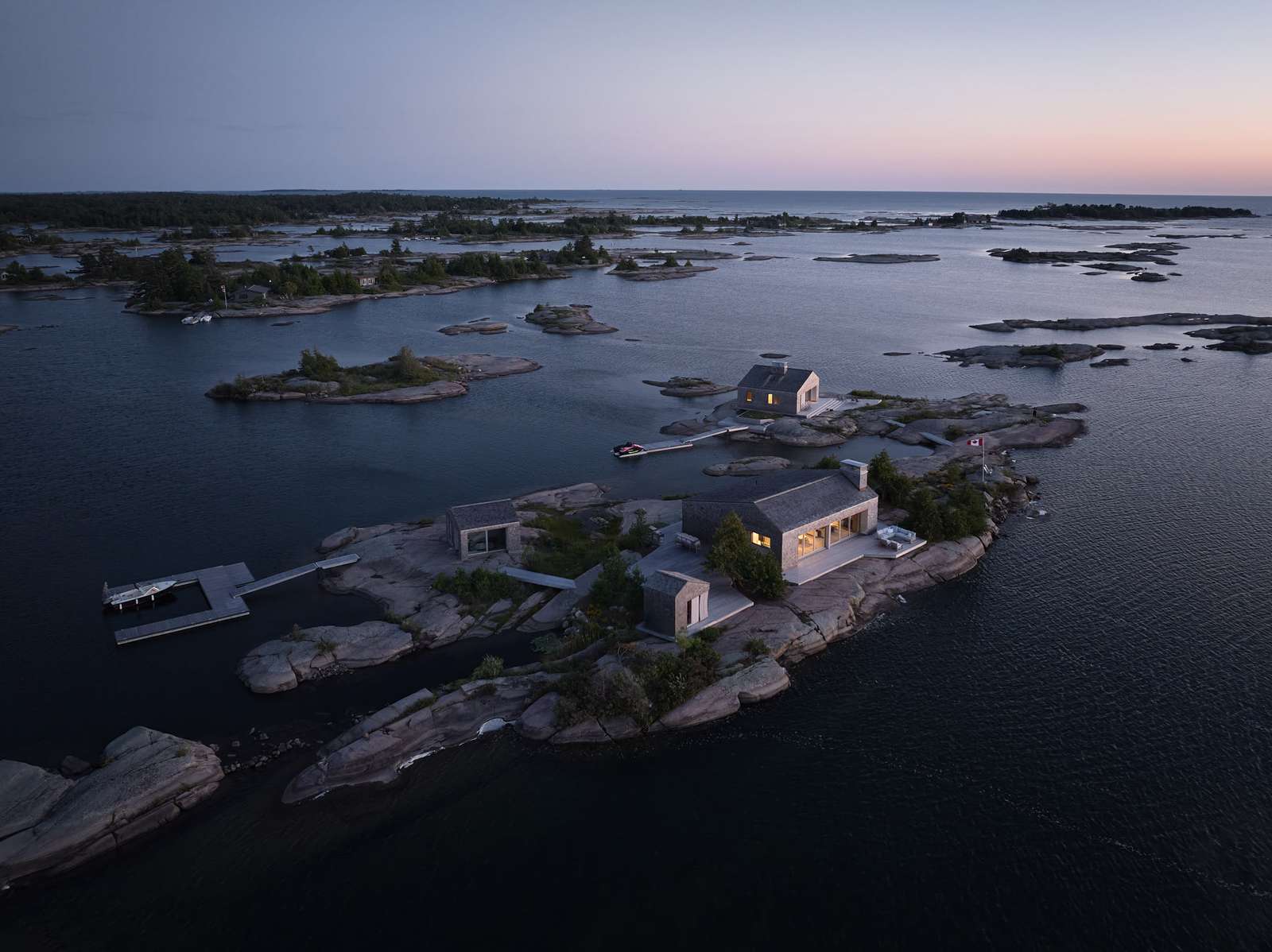
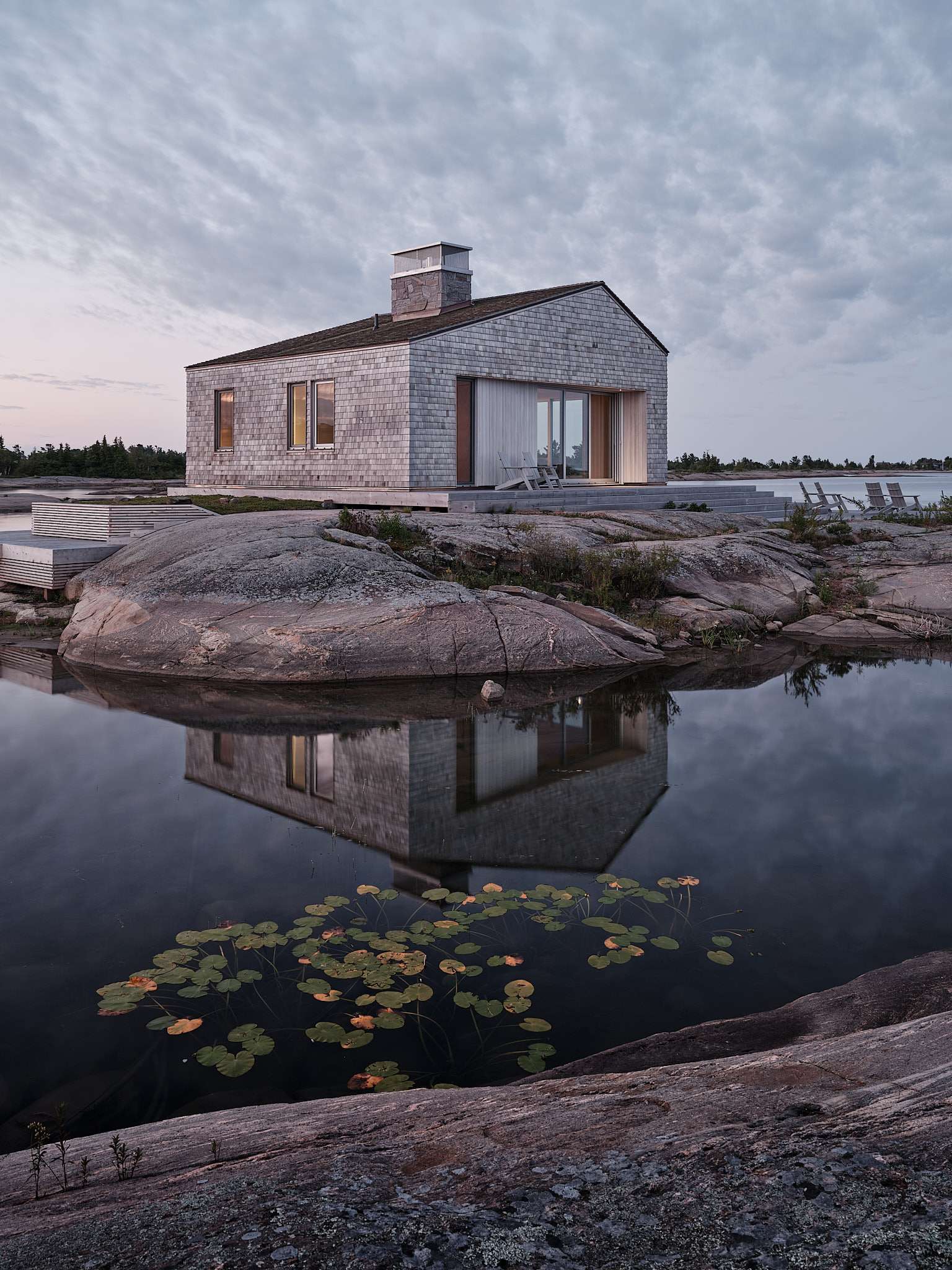 Scattered across bare granite outcrops, a cluster of cedar-clad pavilions settles into Whistling Wind Island as if shaped by the very same natural forces that carve Georgian Bay’s shoreline. With wraparound decks, operable glass walls and interiors wrapped entirely in wood, the cottage trades a single postcard view for a constantly shifting relationship to its stunningly rugged surroundings, playing a role that is equal parts shelter and lookout.
m.o.r.e. CLT Cabin
By Kariouk Architects, Quebec, Canada
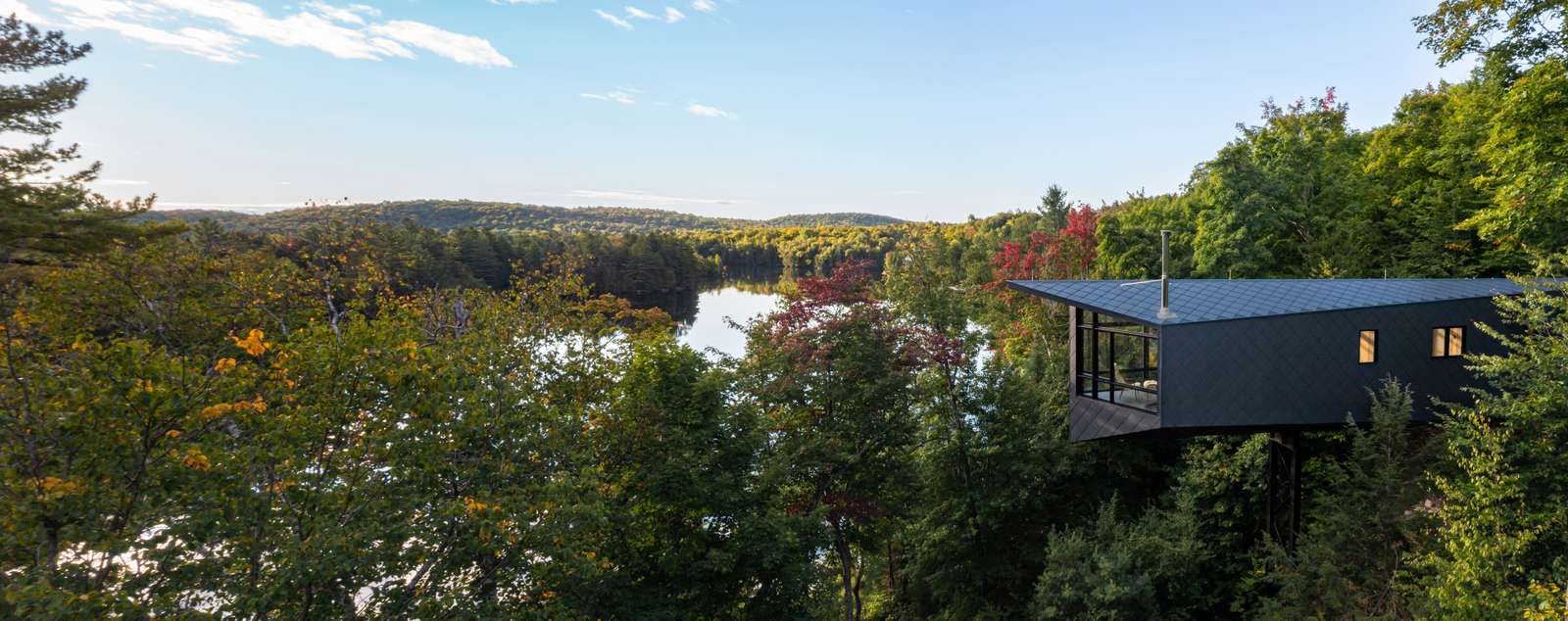
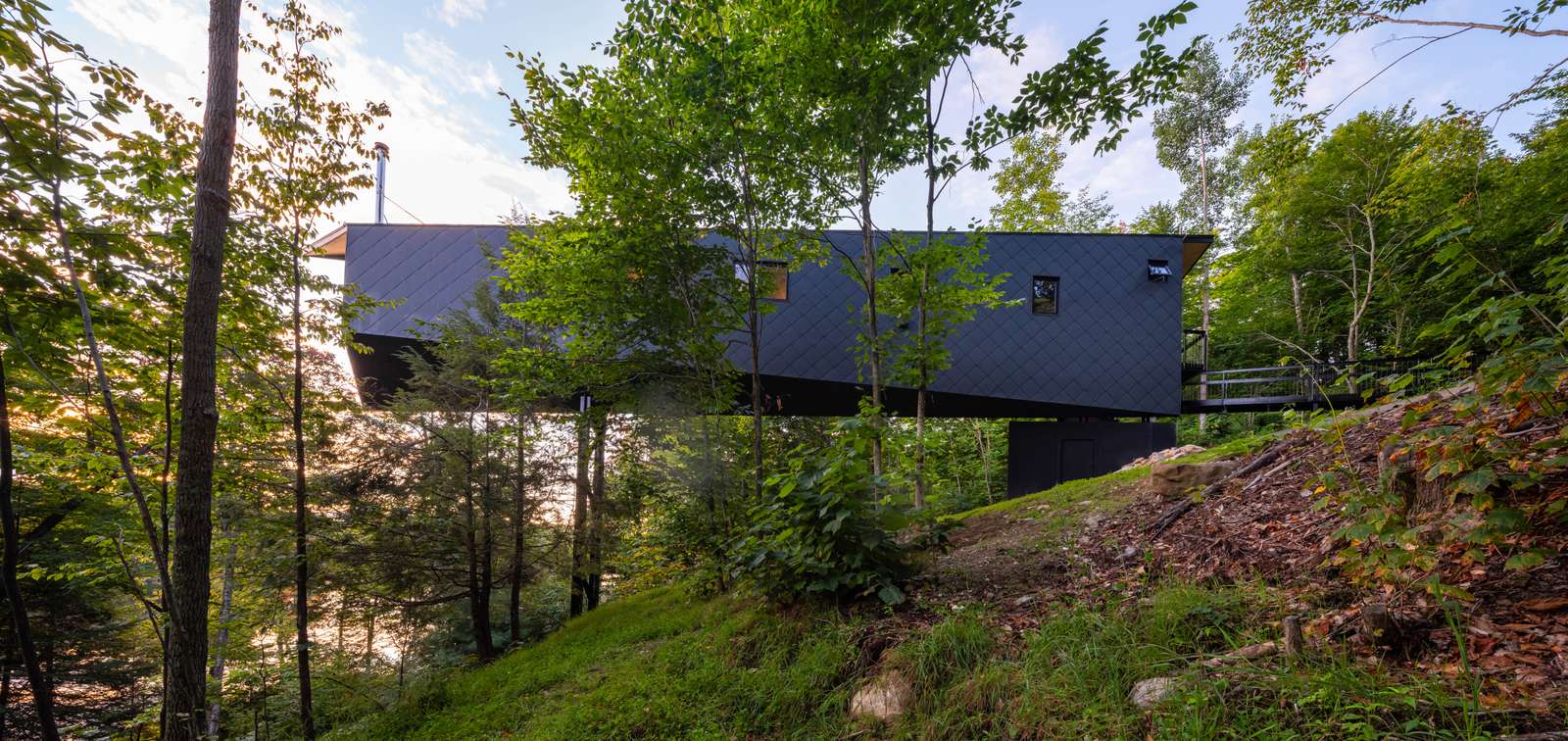 Perched above the shoreline on a single steel mast, m.o.r.e. Cabin quietly dismantles the fantasy of the “natural” cottage, replacing log-cabin romance with structural ingenuity and real environmental restraint. By hovering rather than spreading, and by treating zoning constraints as a jumping-off point for creative design thinking, the project showcases how doing more with less can be both technically rigorous and deeply generous to the land.
Lake Rosseau Cabin
By Still Architects, Rosseau, Canada
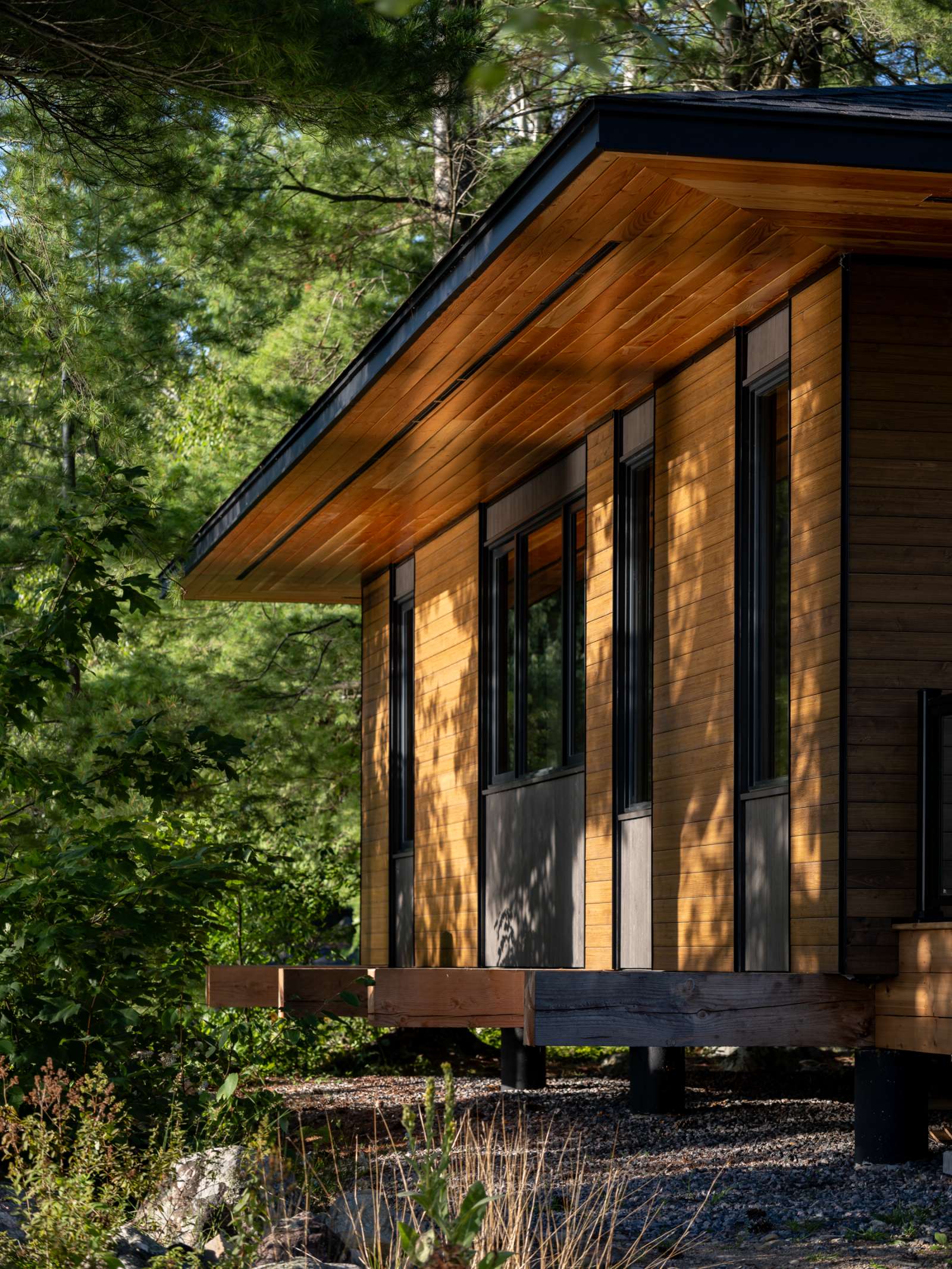
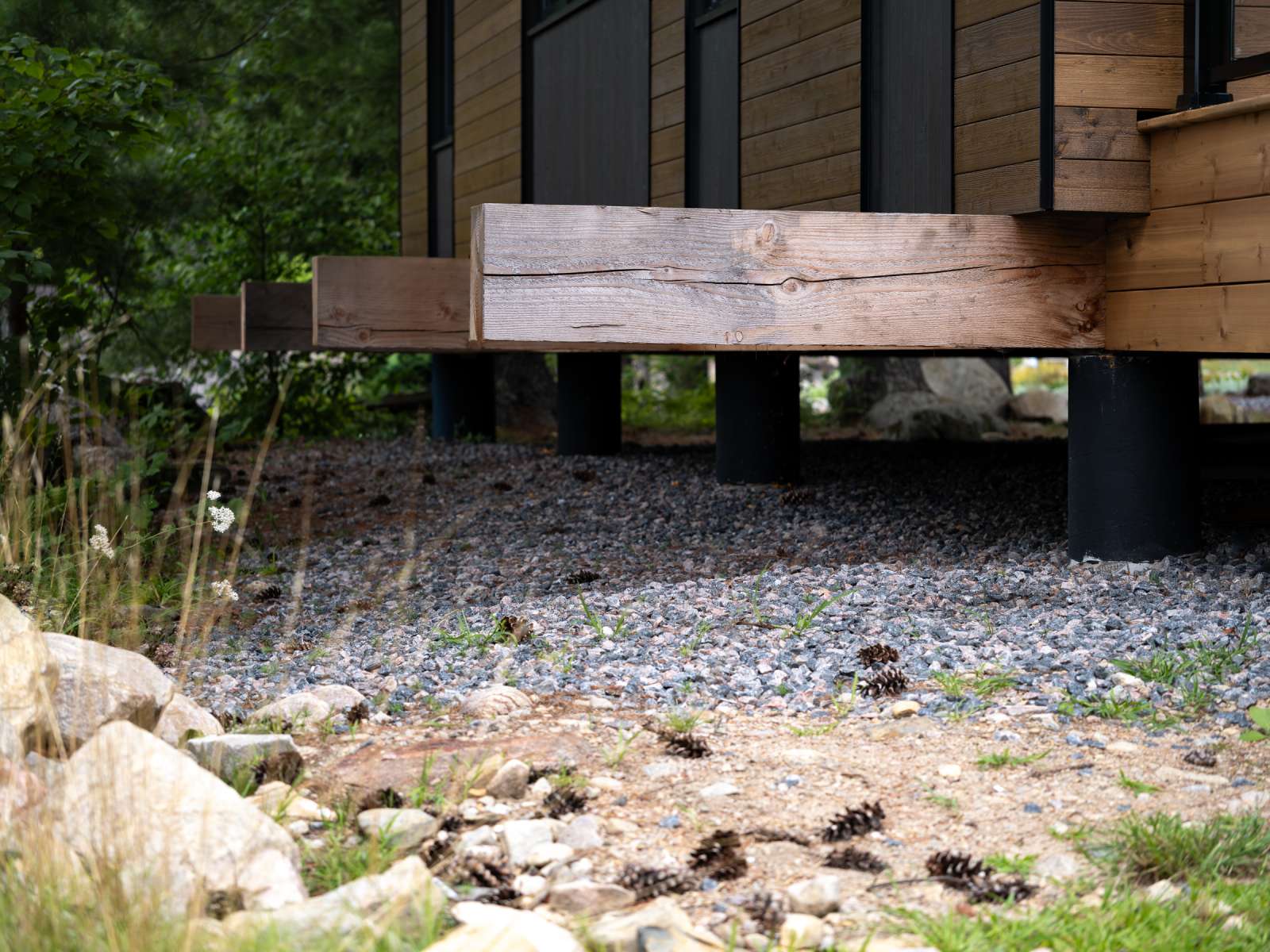 Set where the Rosseau River spills into Lake Rosseau, this compact Muskoka cabin draws directly from the site’s notable logging past (hundred-year-old logs can still be found on the lake bed today), with exposed Douglas fir timbers recalling the mill that once occupied the shoreline. Lifted lightly above the ground and oriented to catch the afternoon sun and the sound of a nearby waterfall, the load-bearing wooden elements forcefully project from the façade, underlining the importance of timber from structure to context and more.
Kahshe Lake Cottage
By Solares Architecture, Gravenhurst, Canada
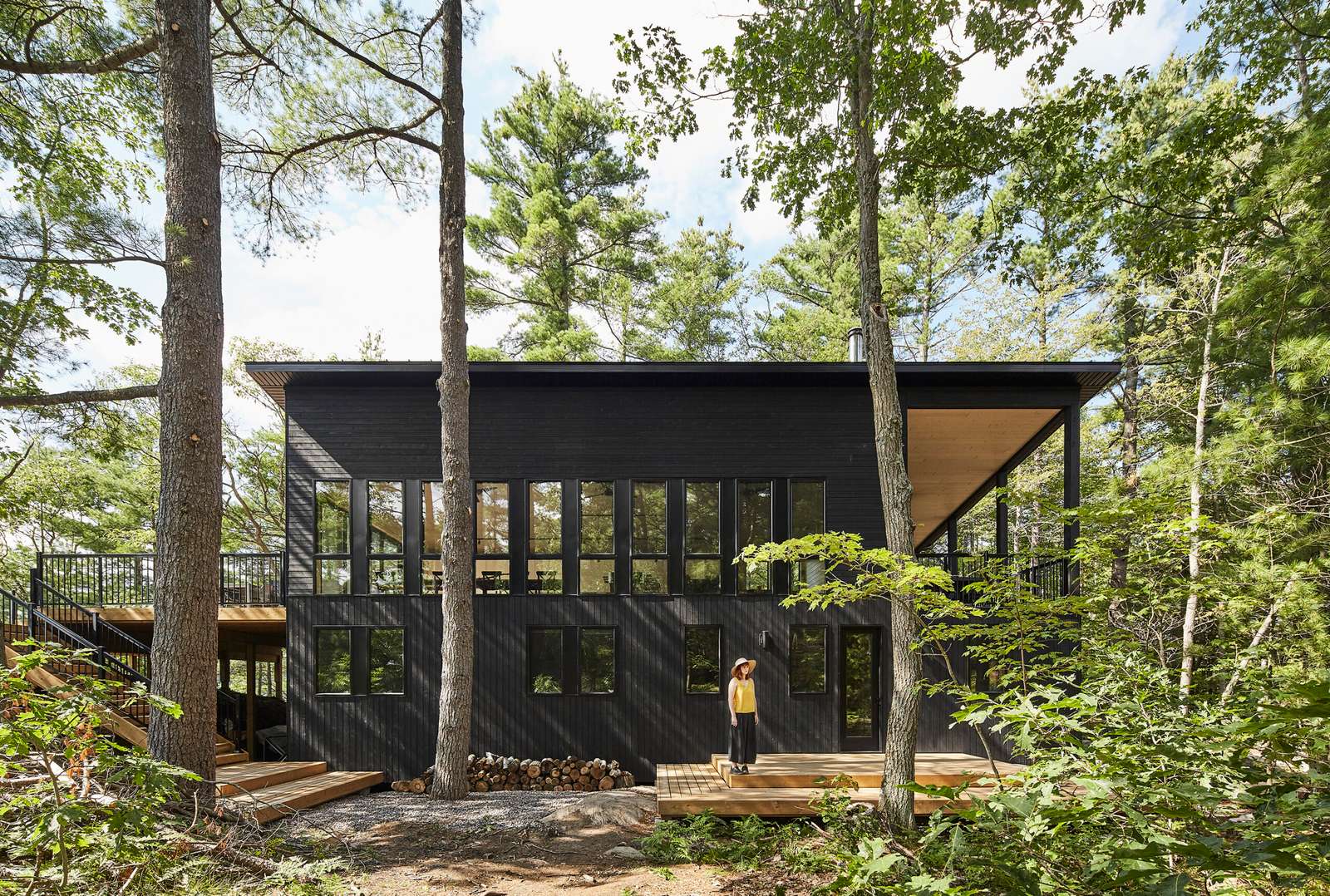
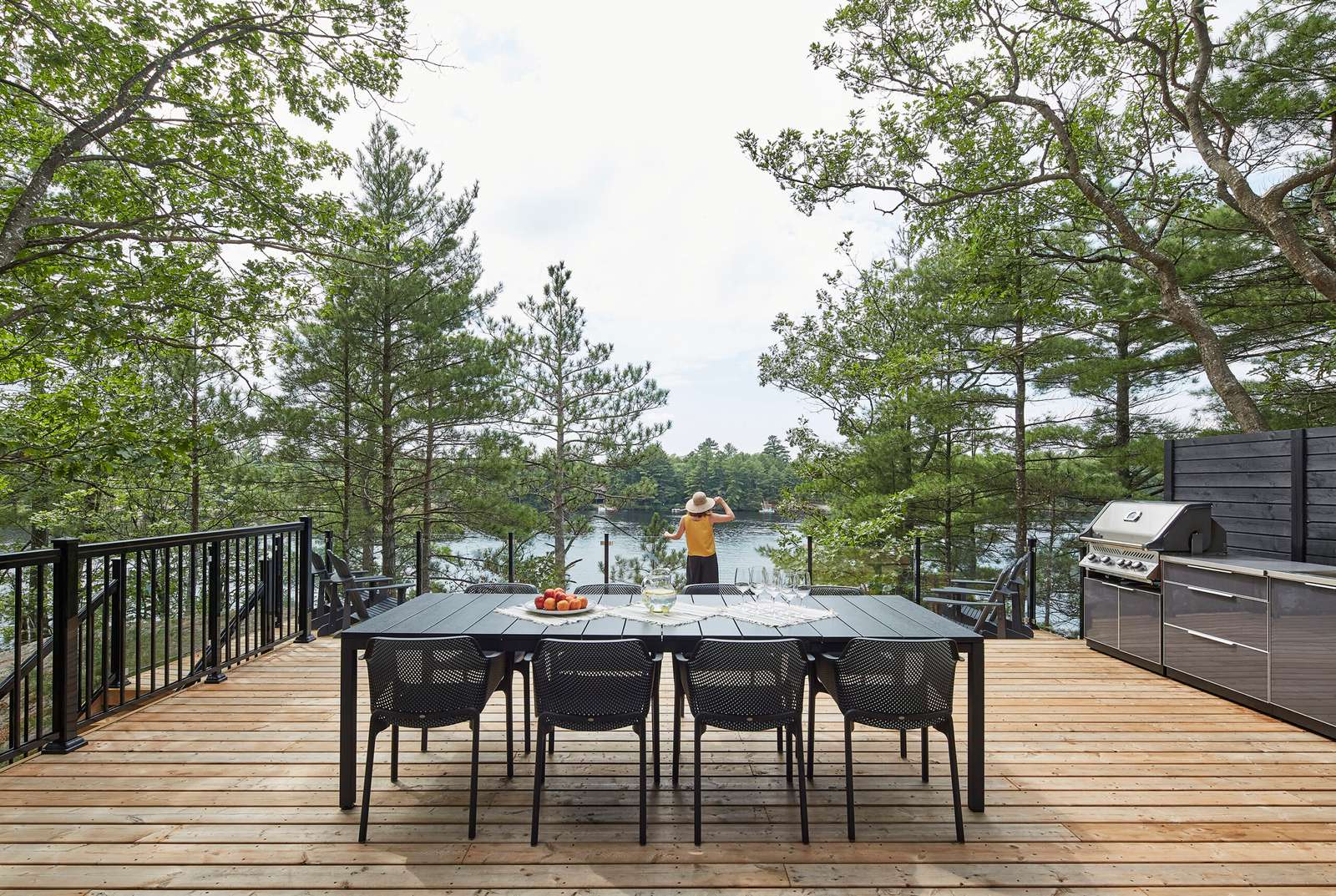 Kahshe Lake Cottage is built around togetherness, as a good family cottage should be, with a generous deck stretching toward the lake and rock outcrop. The design effectively turns outdoor gathering into the heart of daily life. Lightly set on steel ground screws and threaded between trees, the new structure completes a decades-long family story, defined less by architectural pomp than by long weekends and shared meals — the slow accumulation of memories.
Lakeside Cabin
By Atelier Schwimmer, Lac-Brome, Canada
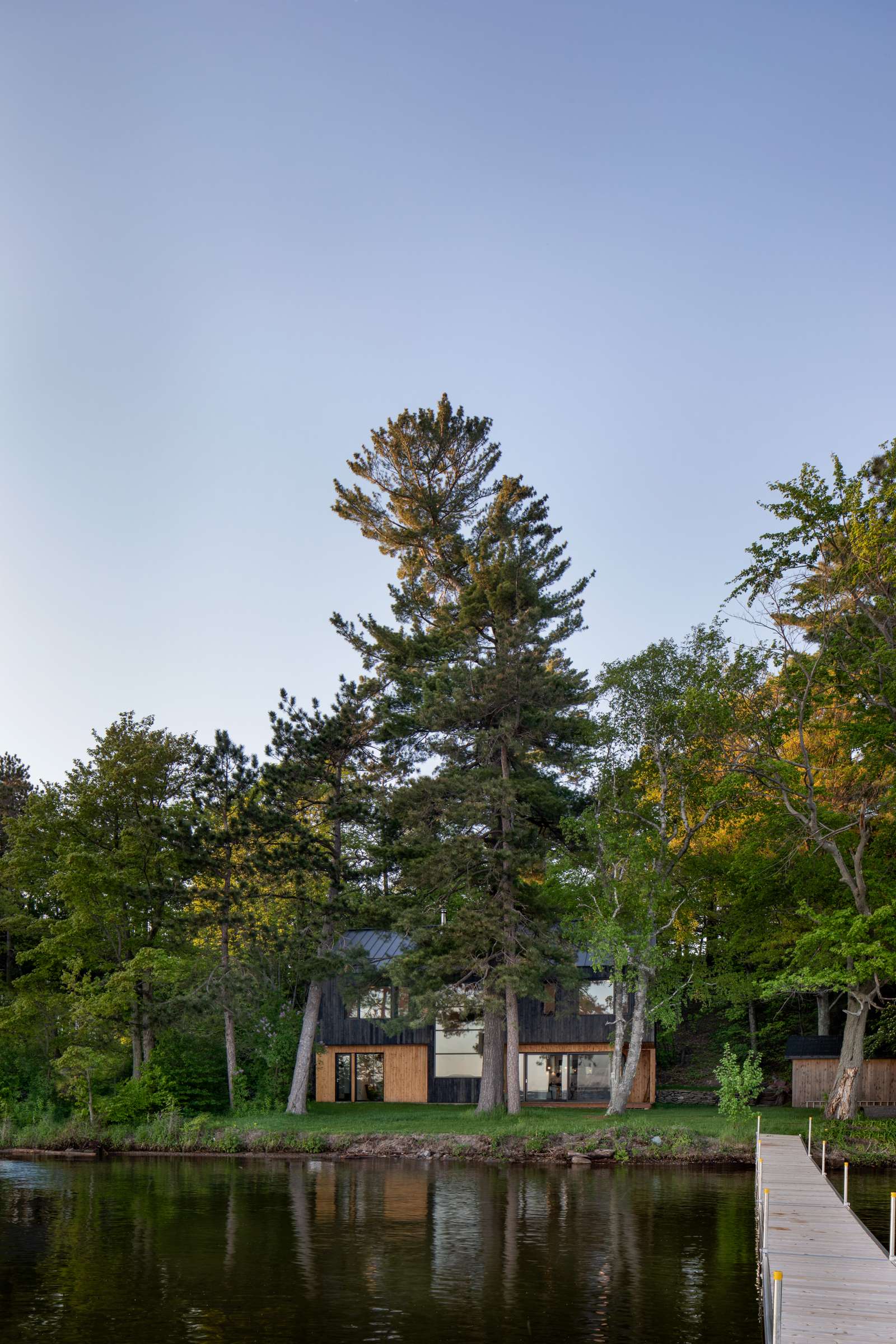
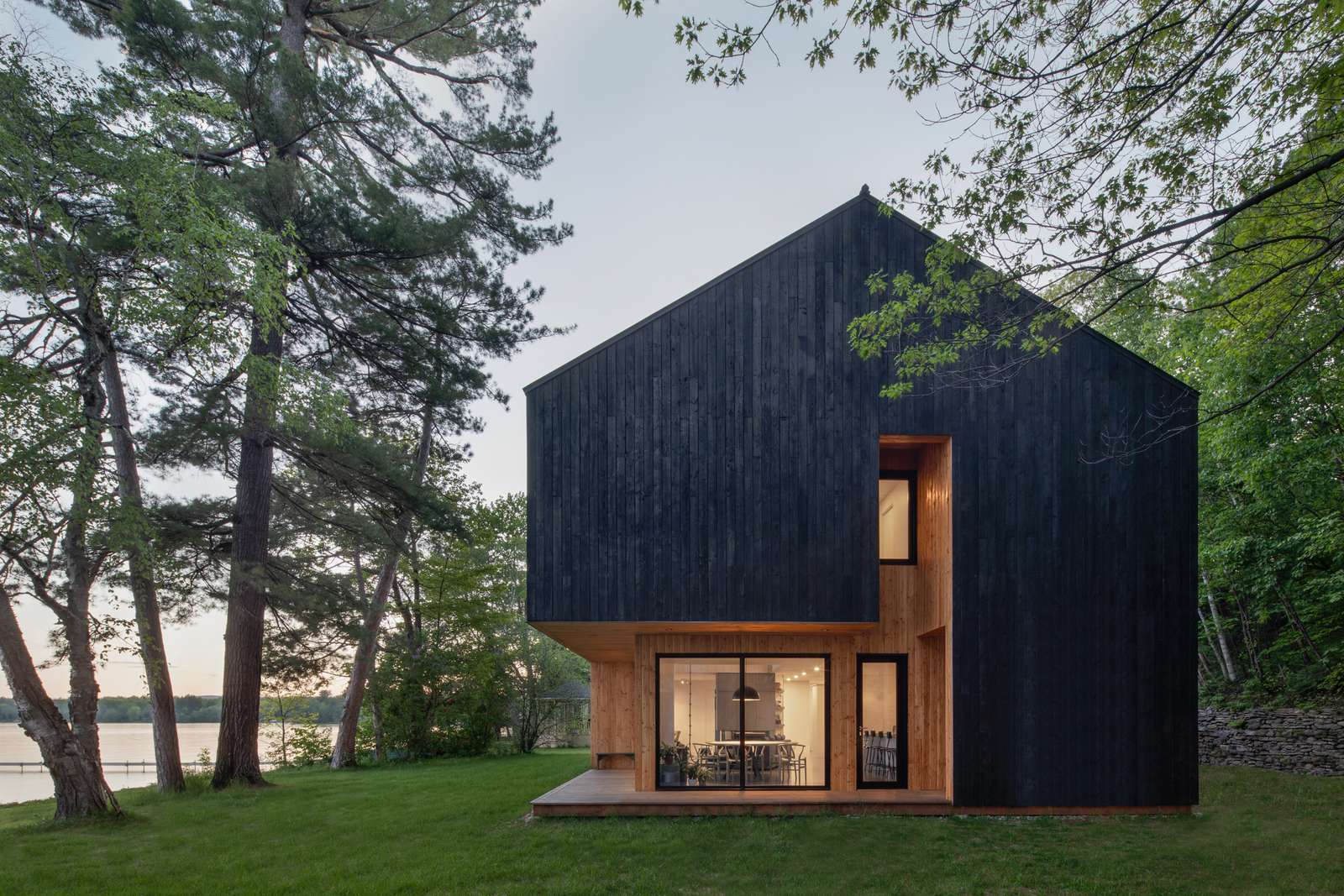 As with many of the cottages on this list, Black Cabin turns the simple act of gathering into an architectural event, anchoring the house around a concrete hearth that draws everyone inward before spilling views back out to Lake Brome. Wrapped in charred and oiled larch and organized around a dramatic atrium crossed by bridges and sightlines, the cabin feels less like a retreat from life than a well-tuned instrument for shared meals and late nights cast in firelight.
Writer’s Retreat
By Laura Killam Architecture, Qathet Regional District, Canada
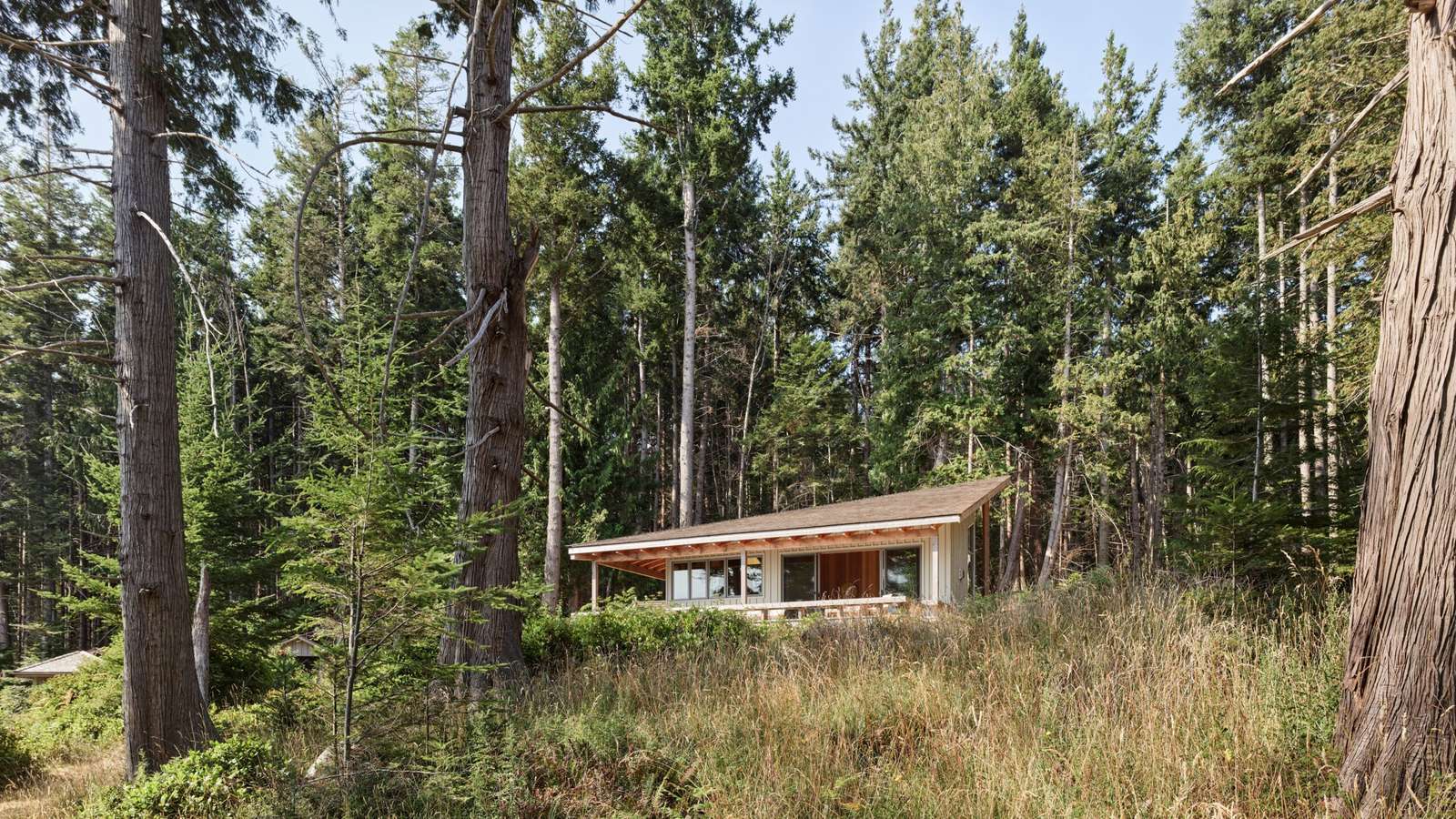
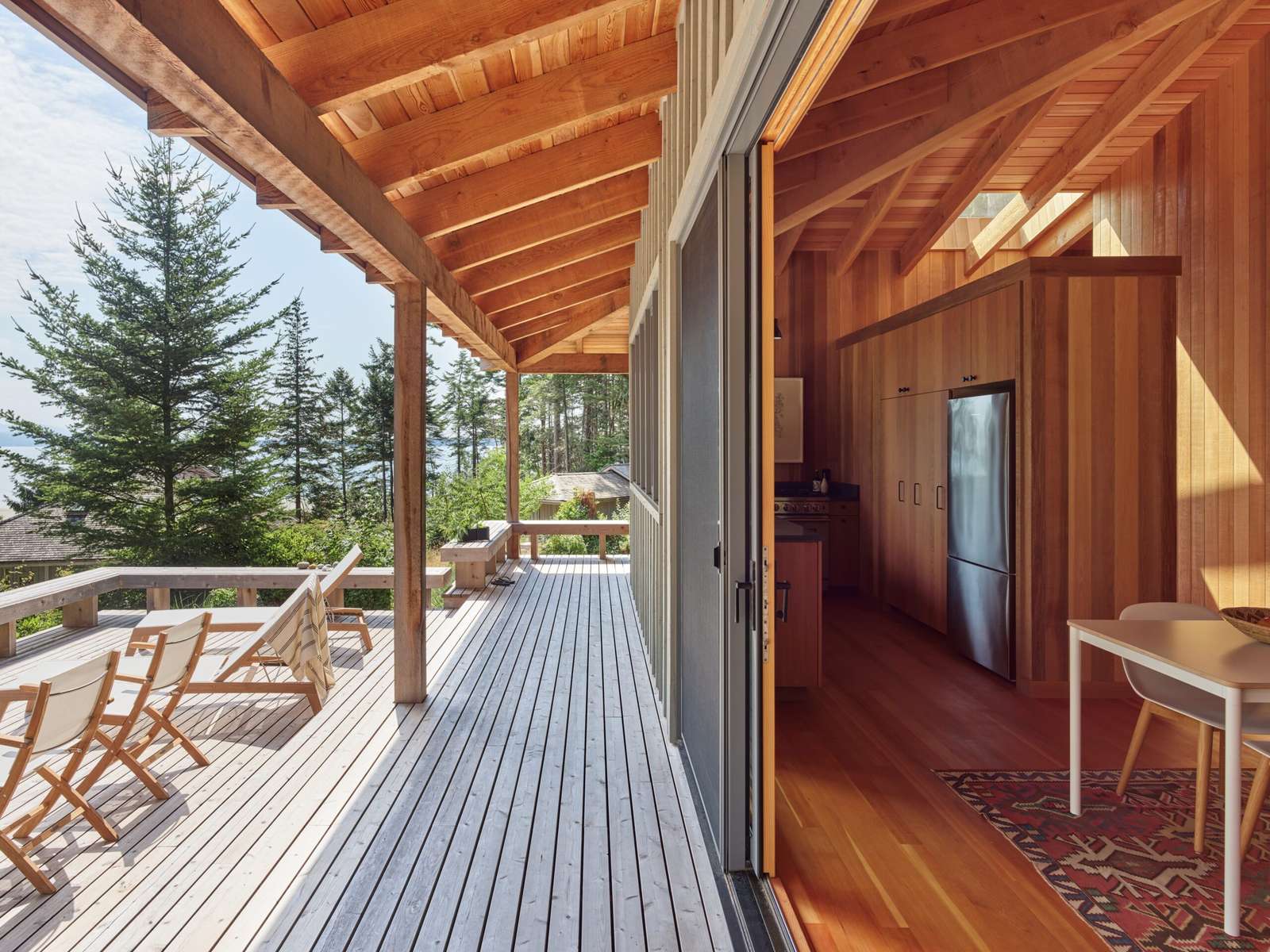 Taking remote escape to an extreme, the Writer’s Retreat turns arrival into a ritual, rewarding a long journey by floatplane and boat, and later through a forest path, with a quiet perch above the shore, where light filters through wind-shaped cedars and the Salish Sea comes into view. Composed of two modest volumes in grey-stained cedar and timber, the cabin pairs ship-like built-ins and tactile materials with luxurious moments of pause — an outdoor shower, a sun-warmed tub, a forest-facing deck — creating a place where architecture gently clears space for thought.
Salamander
By SALA Design+Build, Gambier Island, Canada
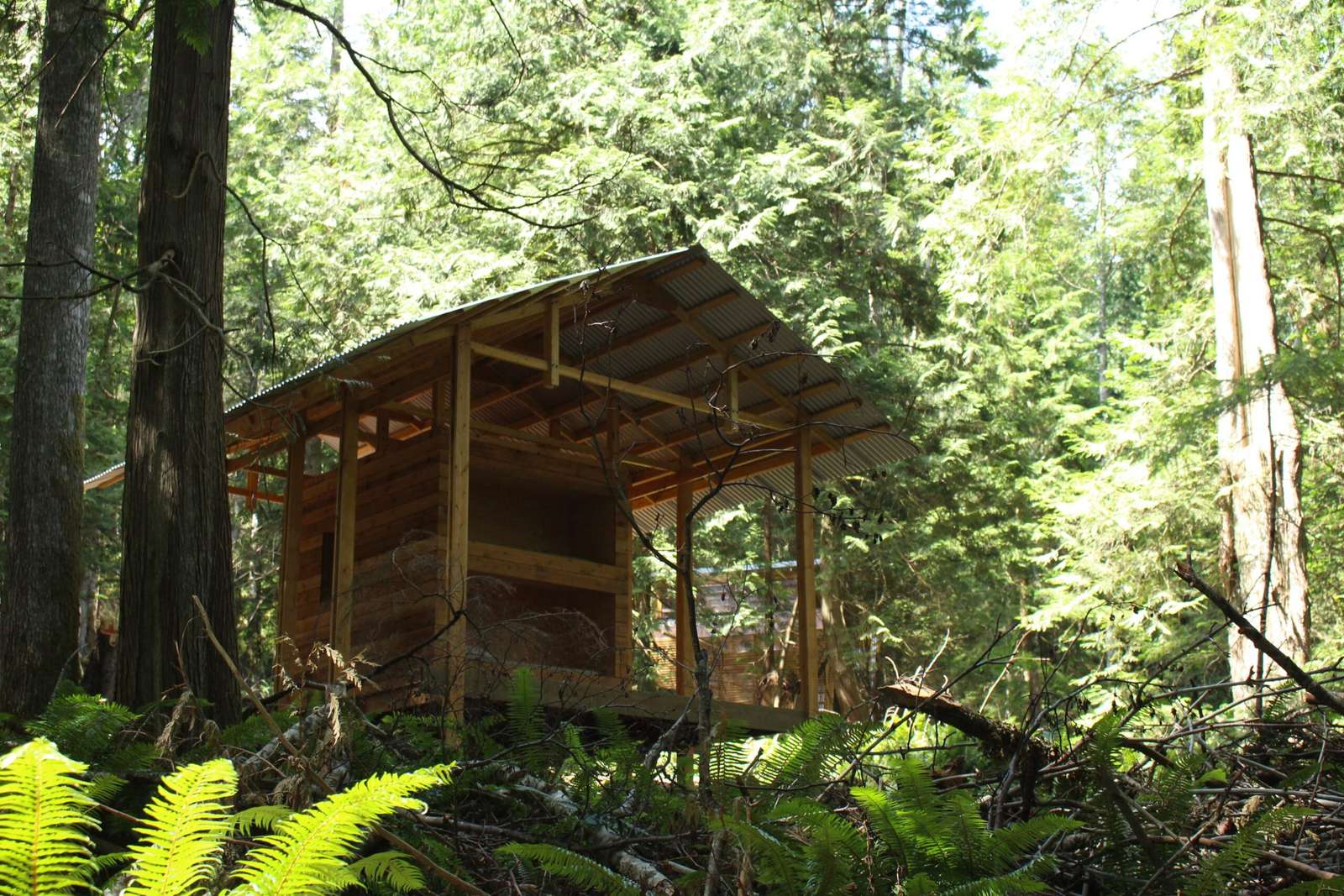
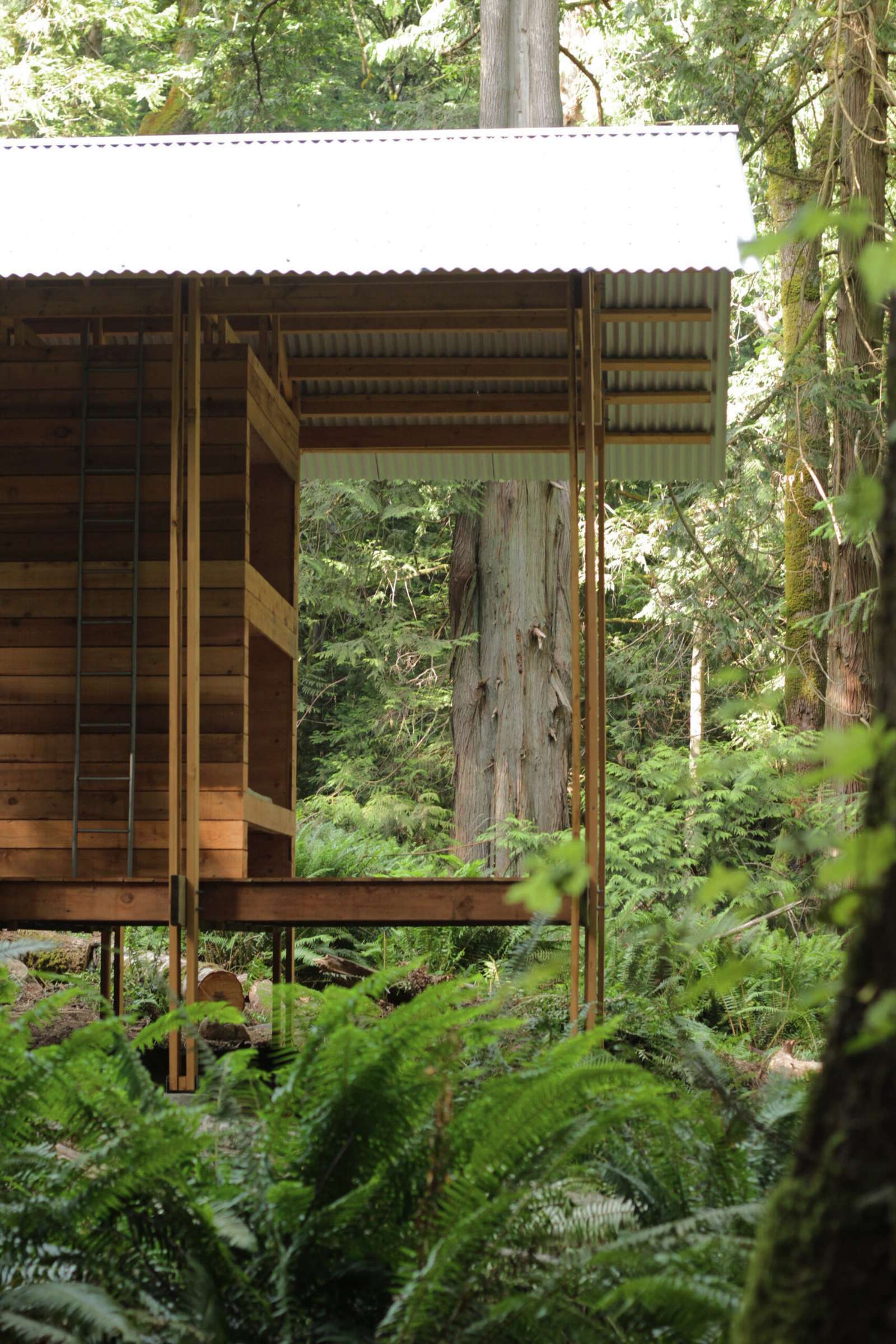 At Camp Fircom, the cottage almost disappears into the rainforest, hovering lightly in a forest clearing and letting the scale of Gambier Island do the talking. Wrapped by a cedar deck that becomes an outdoor living room facing the fire pit, the compact cabin pairs a tightly detailed sleeping pod with open-air bunks and lofted spaces — a contemporary take on camp life that privileges immersion over enclosure.
Rabbit Snare Gorge
By Omar Gandhi Architects, Inverness, Canada
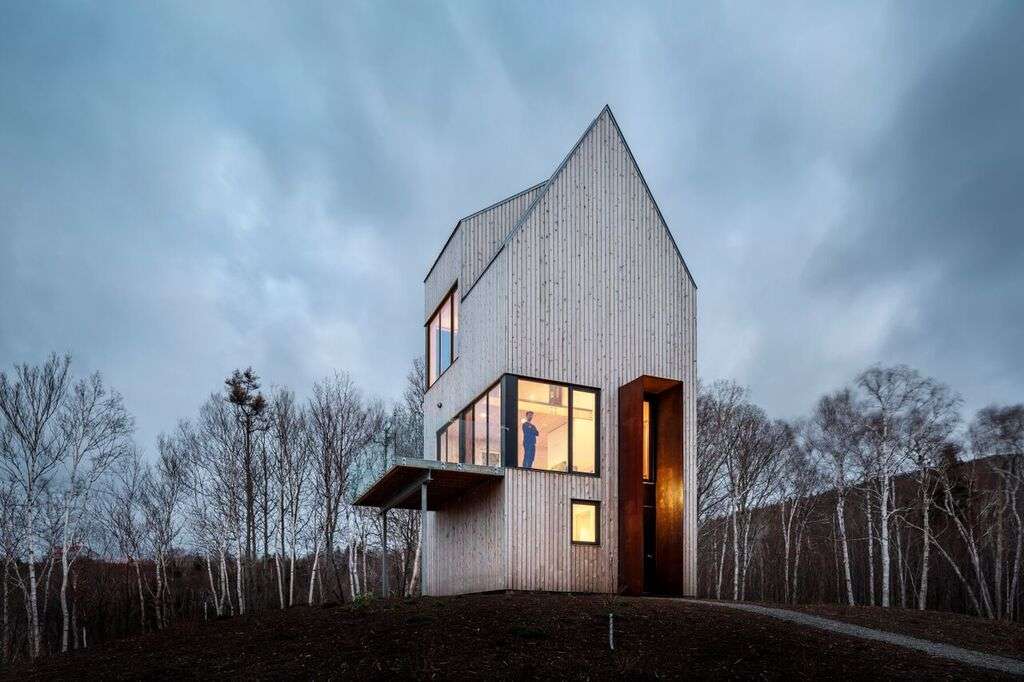
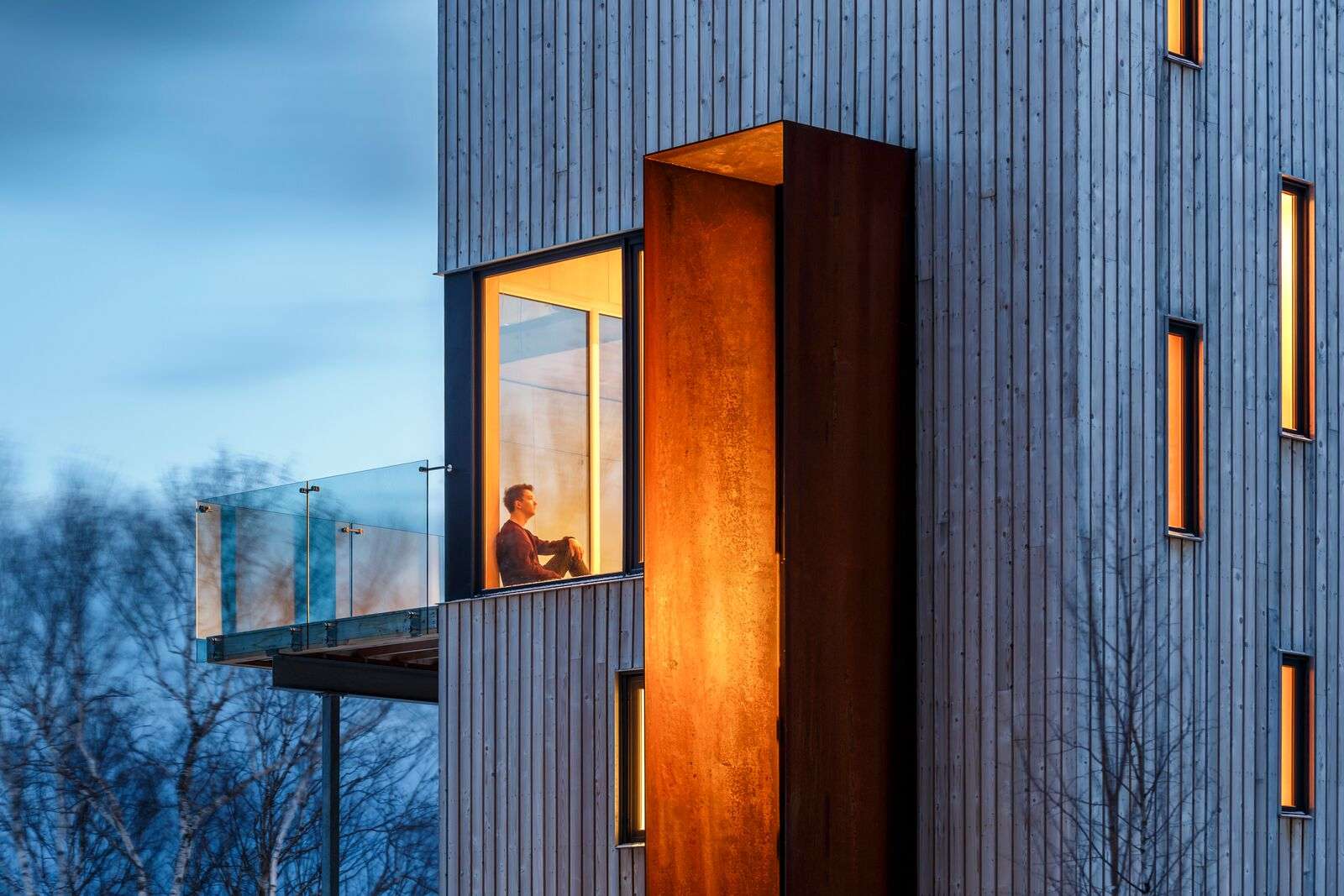 At Rabbit Snare Gorge, the cottage rises like a watchful lookout, lifting its narrow gabled form above the Acadian forest to frame long views toward the brook valley and the Atlantic beyond. Equal parts vernacular and creature-like, the tower pairs a minimal footprint with a rugged, wind-ready structure, somehow reflecting the extreme verticality of Cape Breton’s steep slows and deep gorges.
Val-des-Monts Cottage
By Simmonds Architecture, Gatineau Hills, Canada
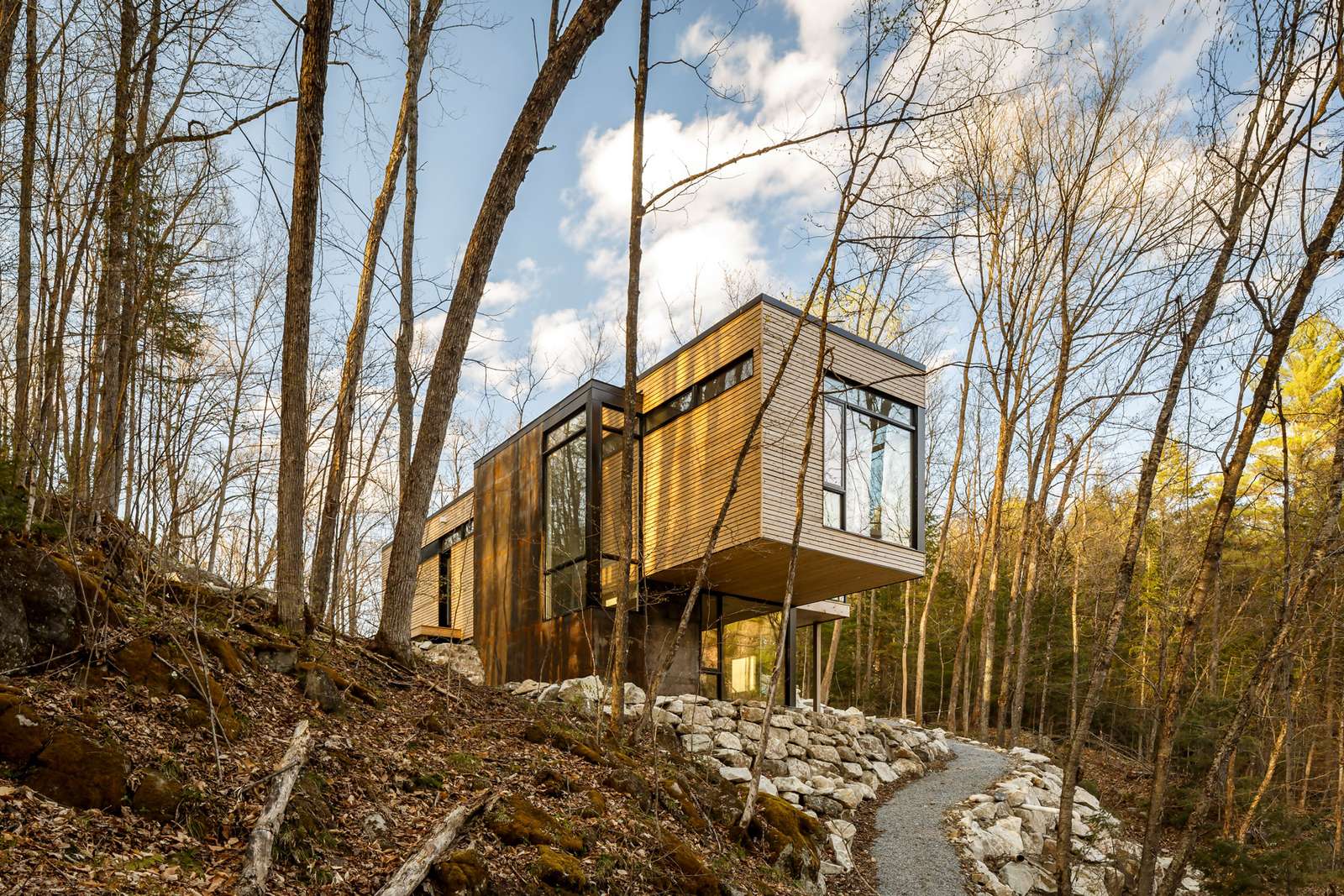
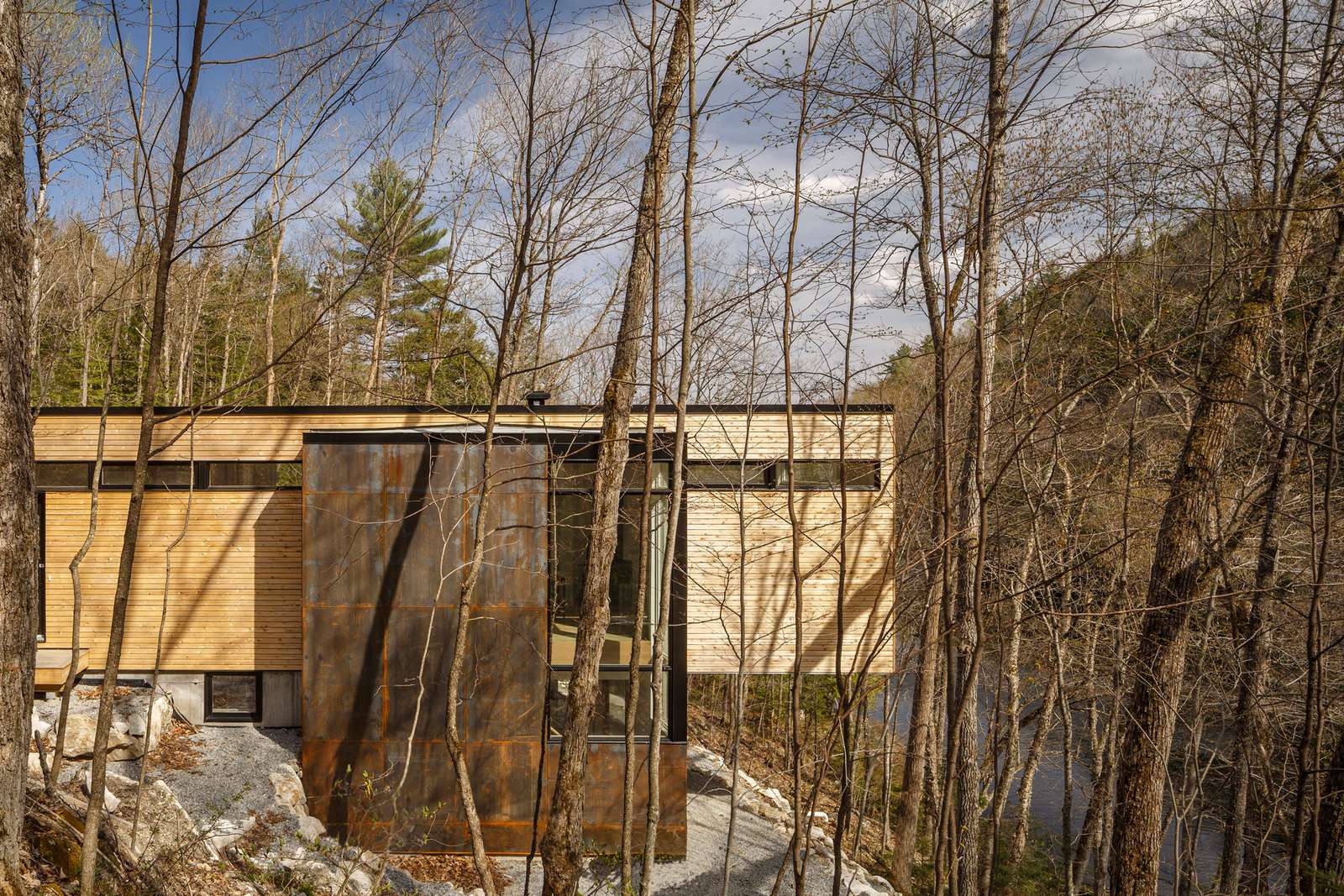 Perched at the edge of the Canadian Shield, this Gatineau Hills cottage slips from forest to cliff, anchoring its sleeping spaces in stone before cantilevering the family room boldly toward the lake. The design passively takes advantage of cool air coming off the lake, while clerestory windows flood interior spaces with sun-dappled natural light that pours first through the surrounding tree canopy.
Architects: Want to have your project featured? Showcase your work by uploading projects to Architizer and sign up for our inspirational newsletters.