
What Architects Miss When They Look at Buildings Through Photographs
Architects use photographs constantly, but often read them too quickly. A finished image can make a building look cleaner, quieter and more resolved than it ever feels in use. The useful question is therefore not whether architectural photography is accurate. It is what the photograph chooses to make visible—and what it leaves outside the frame.
Recent photography books offer a different way of looking. Taken together, they suggest that architects can learn more from images when buildings are treated not as perfect objects but as things that age, collect people, sit inside messy landscapes and change over time.
Photography is not the building
A photograph compresses architecture into a point of view. Weather disappears. Noise disappears. The route through a building becomes a single frame. Commissioned architectural photography can also arrive at a carefully controlled moment, after construction and before ordinary life fully takes over.
That limitation is precisely why photography can be useful. Once architects become conscious of framing, sequence, distance, light and omission, images stop being simple proof that a project exists. They become tools for reading space.
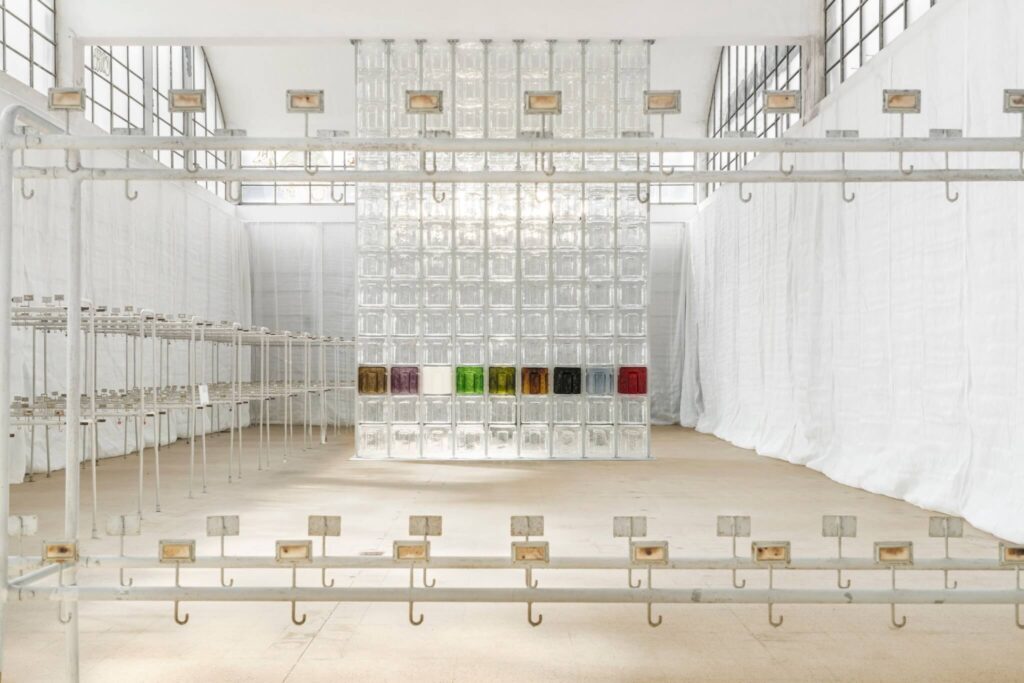
Over and Over and Over and Over by 6:AM at Piscina Guido Romano, Milan Design Week 2026. Photograph: Melania Dalle Grave.
Lesson one: let buildings have an afterlife
The House That Kahn Built — Kashef Chowdhury
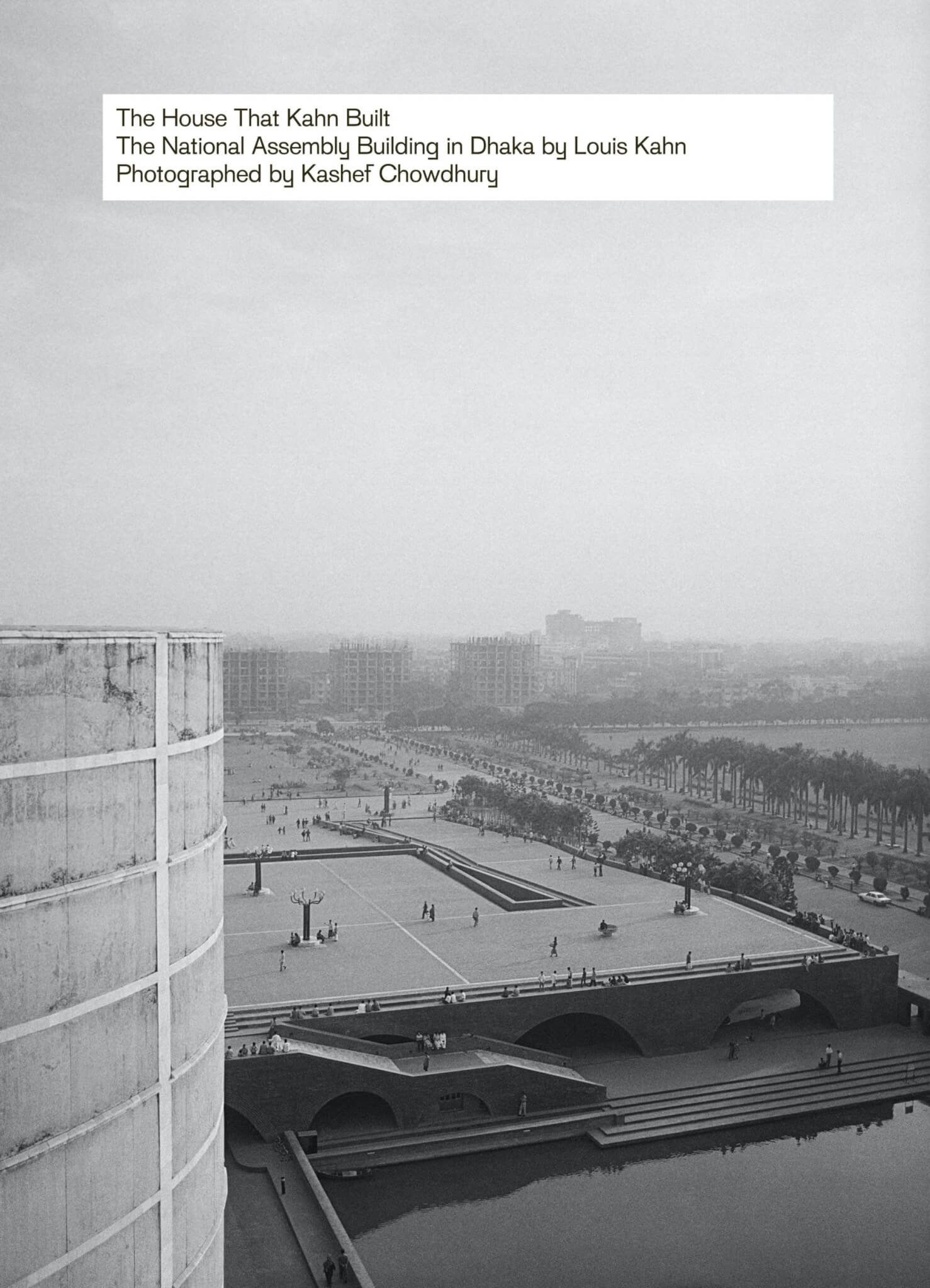
Kashef Chowdhury photographs Louis Kahn’s National Assembly Building in Dhaka from the position of an architect looking closely at another architect. The value is not simply documentation of a famous building; it is the evidence of sustained observation. The book, published by Quart Verlag, reminds designers that canonical architecture can still be read through another practitioner’s eye.
Book image courtesy Quart Verlag.
Five Buildings by Frank Gehry — Johan Dehlin
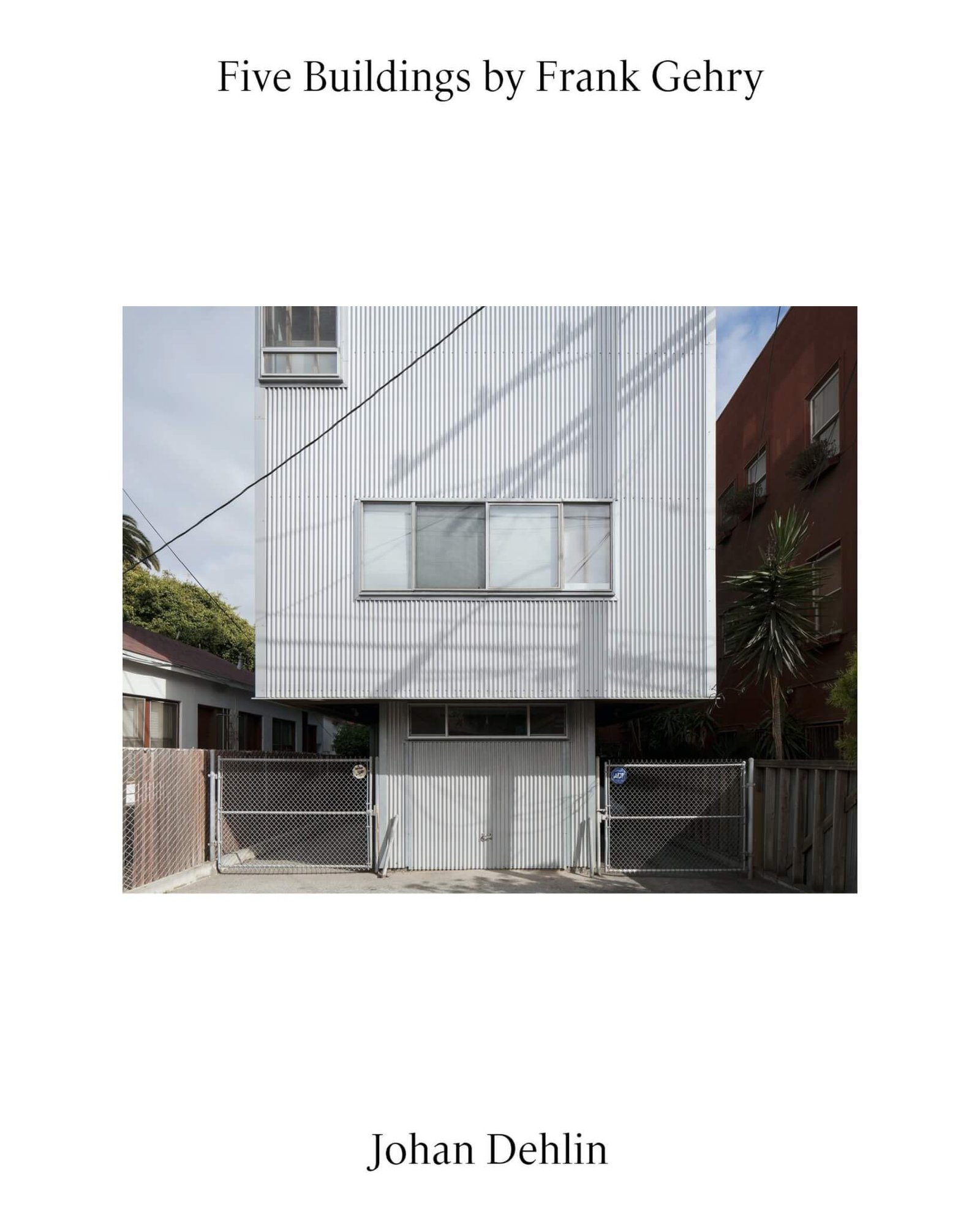
Johan Dehlin returned to five early Frank Gehry projects in 2015 and paired photography with redrawn plans, sections, elevations and site plans. This combination is especially useful for architects: drawings explain intention, while later photographs show occupation, wear and survival. Hilary Sample and Tom Emerson contribute texts to the volume, published by Verlag der Buchhandlung Walther und Franz König.
Book image courtesy Verlag der Buchhandlung Walther und Franz König.
Richard Neutra and the Making of the Lovell Health House, 1925–35
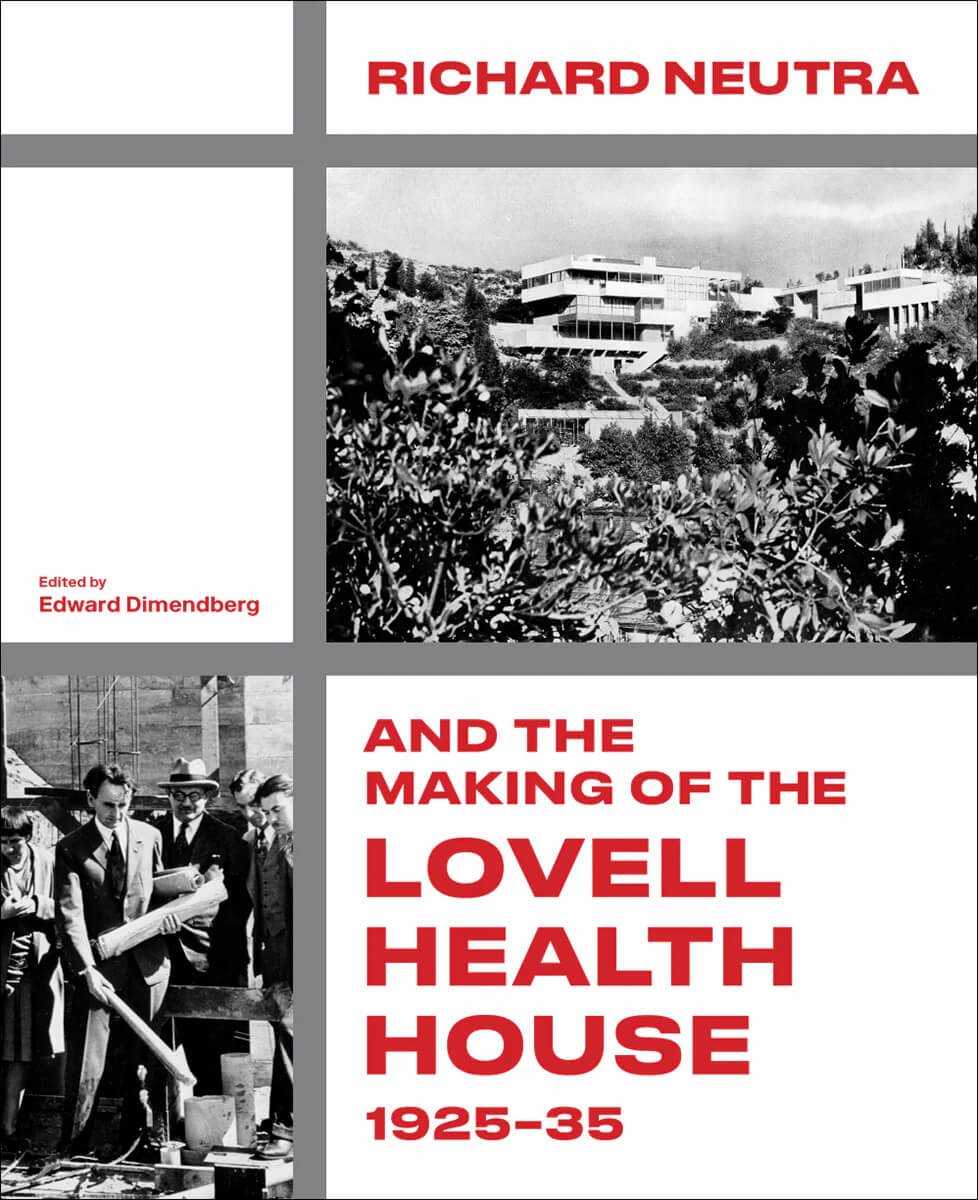
Edited by Edward Dimendberg and published by Getty Publications, this study places historic photographs by Willard Morgan beside more recent photography by Grant Mudford and research into the making of the house. The comparison turns photography into a record of architectural time rather than a single moment of completion.
Book image courtesy Getty Publications.
Lesson two: photograph use, not just form
Portrait of J — Takashi Homma
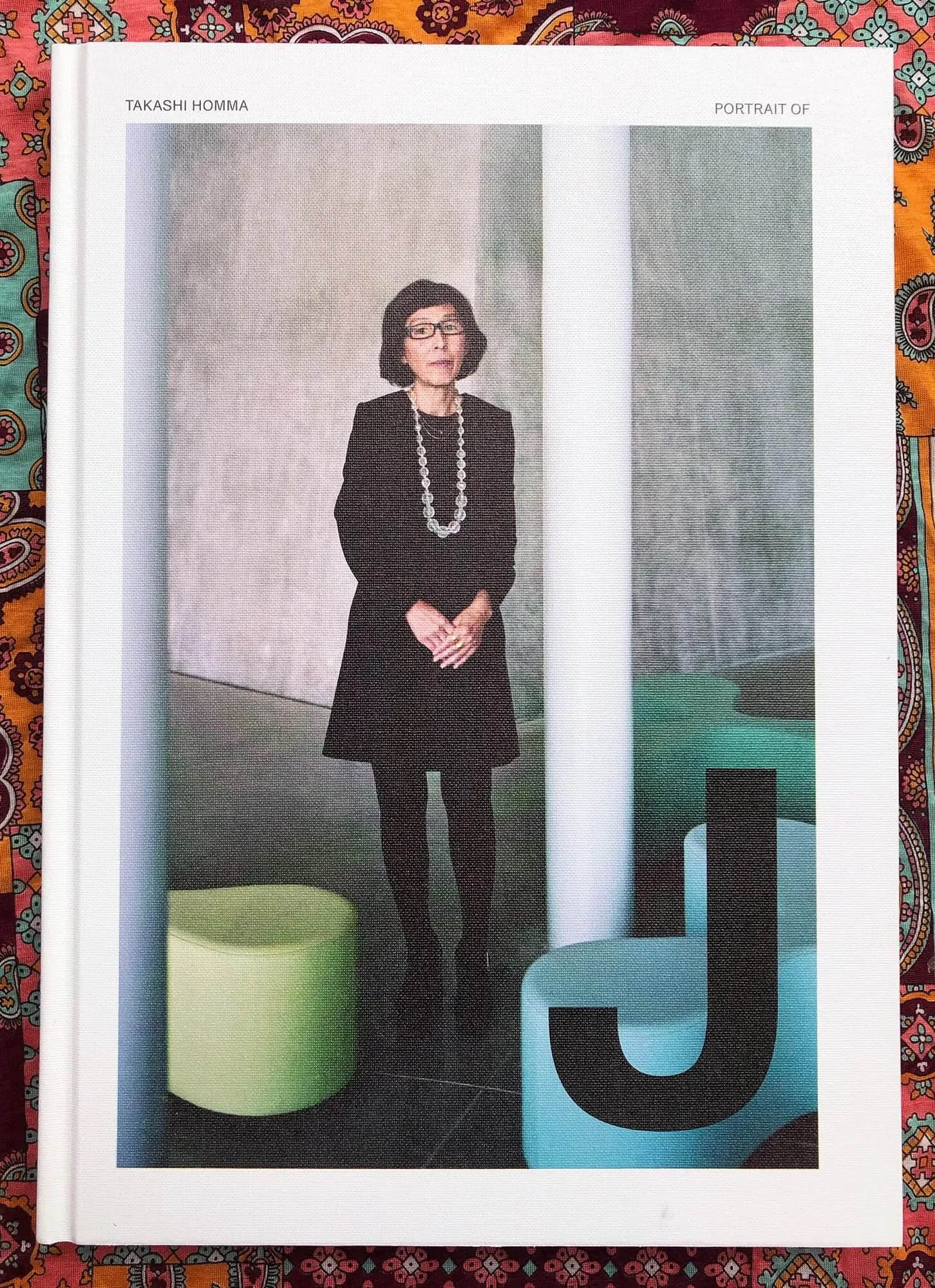
Takashi Homma’s work is useful because people and atmosphere are allowed to resist the polished conventions of architectural imagery. Kazuyo Sejima appears on the cover, but the broader lesson is about proximity: architecture can be photographed as part of life rather than as an isolated object.
Book image courtesy Dashwood Books / Session Press.
Prospect Park: Photographs of a Brooklyn Oasis, 1980 to 2025 — Jamel Shabazz
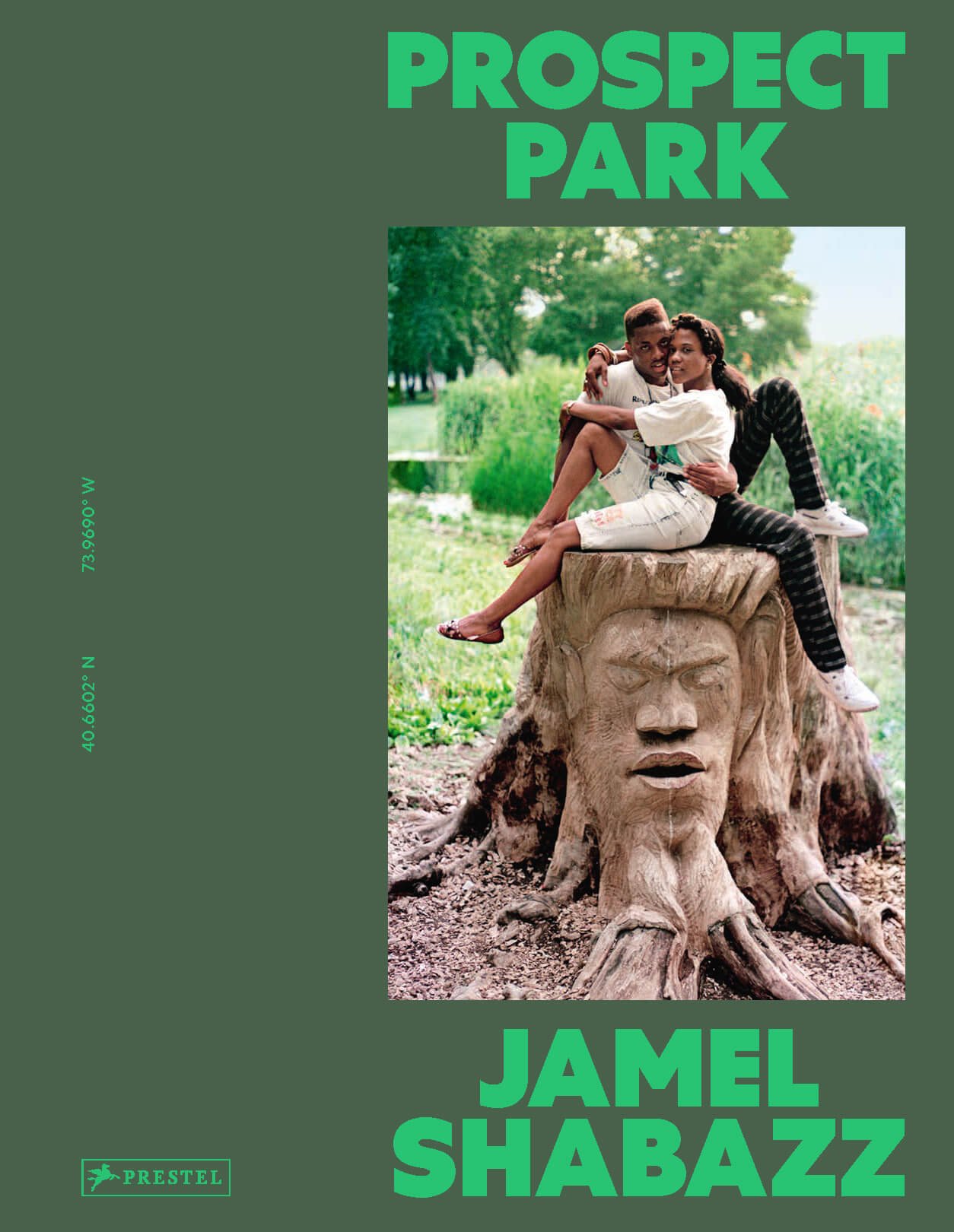
Jamel Shabazz’s long view of Prospect Park makes the users of public space the subject. For architects and urban designers, that reversal matters. A park is not only paths, planting and edges; its identity accumulates through repeated occupation over decades.
Book image courtesy Prestel.
At Home in London: The Mews House — Ellis Woodman
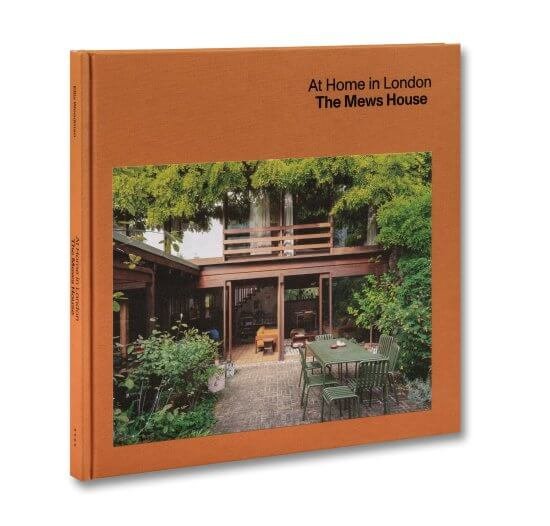
Ellis Woodman’s study of the London mews house, with photography by Matthew Blunderfield, looks at a housing type hidden in back courts and alleys. Published by MACK with The Architecture Foundation, it shows how a modest urban type can reveal adaptation, economy and experimentation more clearly than a parade of isolated signature buildings.
Book image courtesy MACK / The Architecture Foundation.
Lesson three: the ordinary city deserves attention
Foundations — Naho Kubota
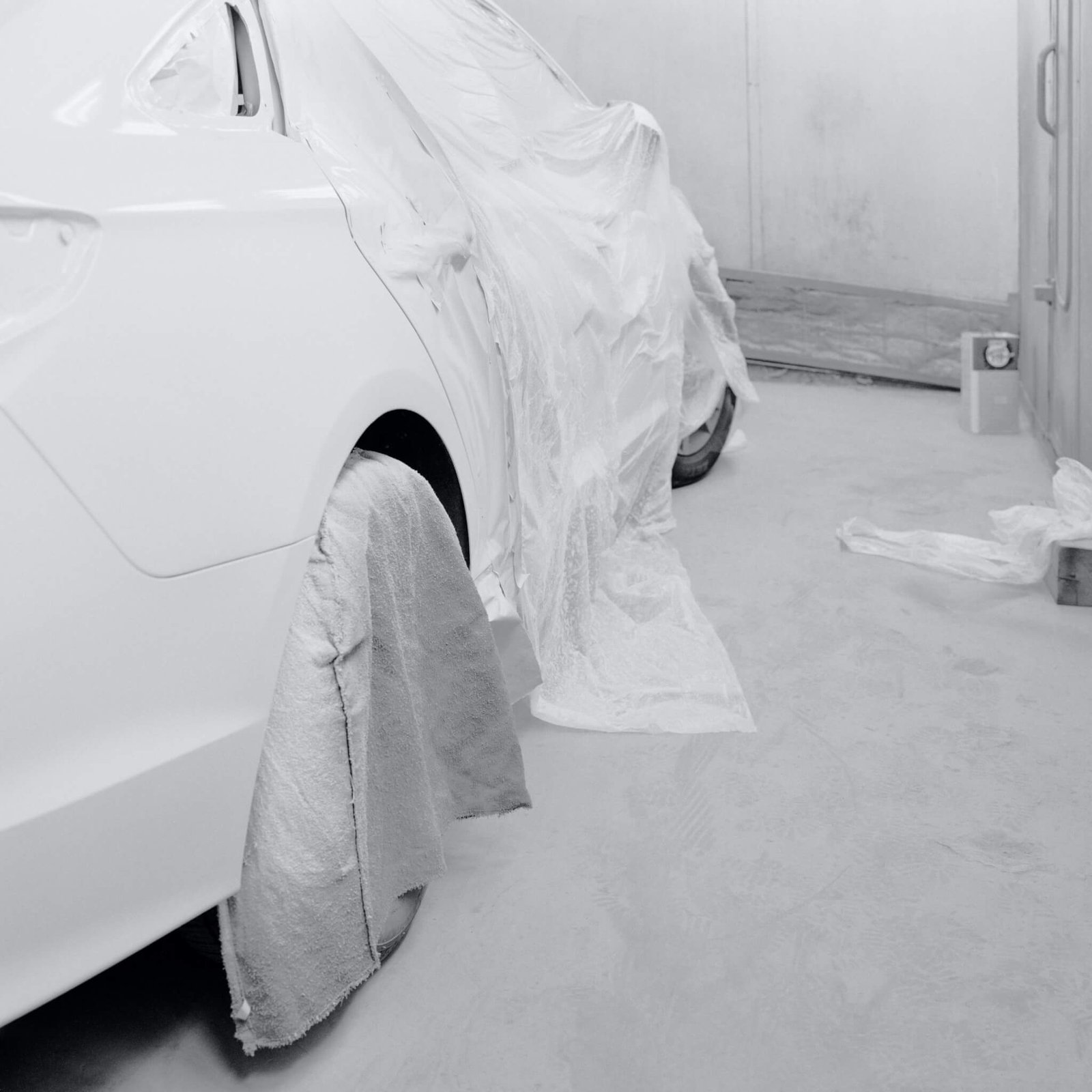
Naho Kubota turns New York auto body shops into a study of surfaces, empty interiors, metal and traces of paint. Published by Dog Years with a text by Jesús Vassallo, the book demonstrates how industrial interiors and overlooked workplaces can contain as much spatial information as celebrated architecture.
Book image courtesy Dog Years.
Manhattan Project — Jan Staller
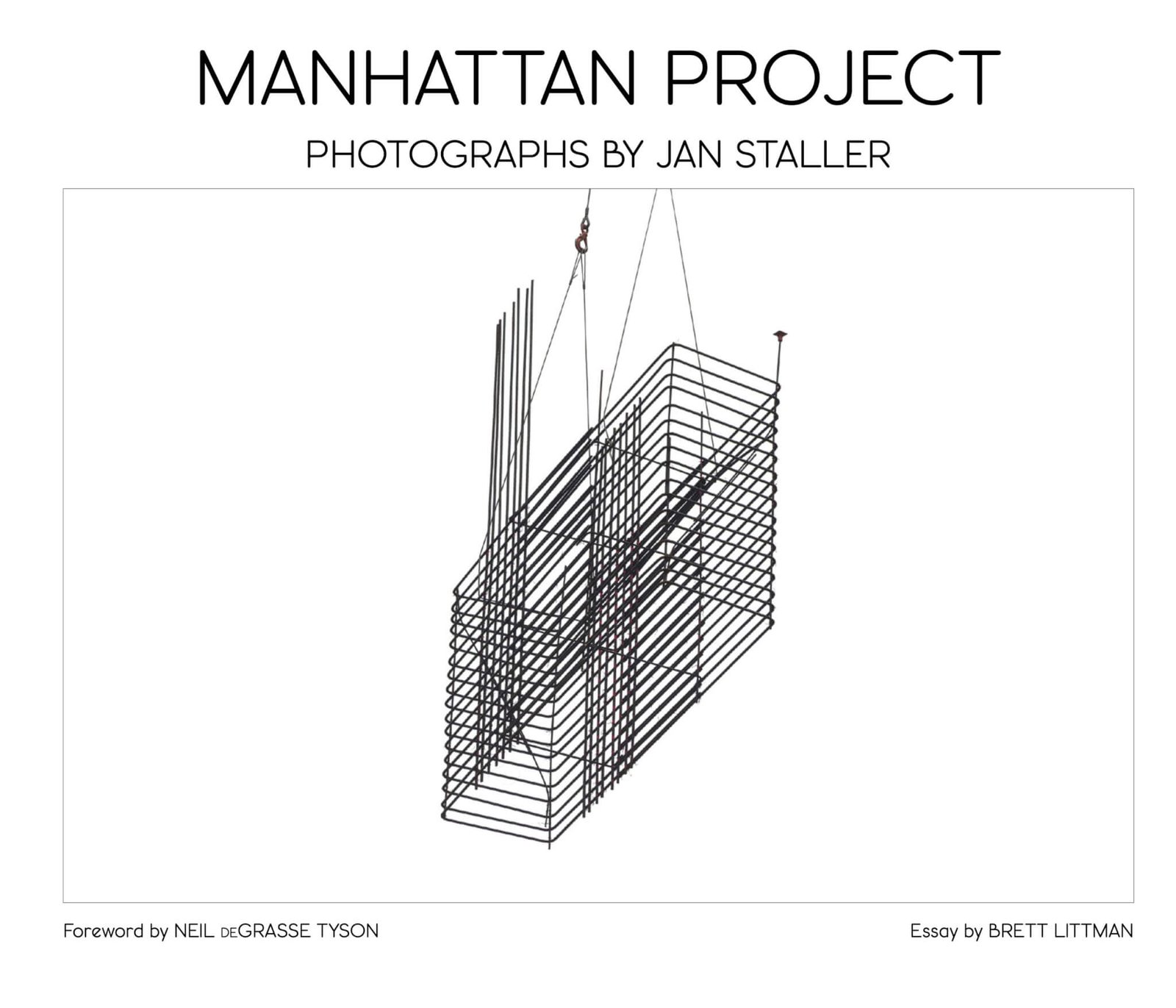
Jan Staller looks behind finished facades at cranes, rebar cages, formwork, pipes, glazing units, excavators and the machinery of construction. Begun in 2013 and published in 2025 by Five Continents Editions, the project is a reminder that architecture is also a process of assembly. For practitioners, the unfinished city may be more instructive than the finished photograph.
Book image courtesy Five Continents Editions.
FASHION — Mark Power
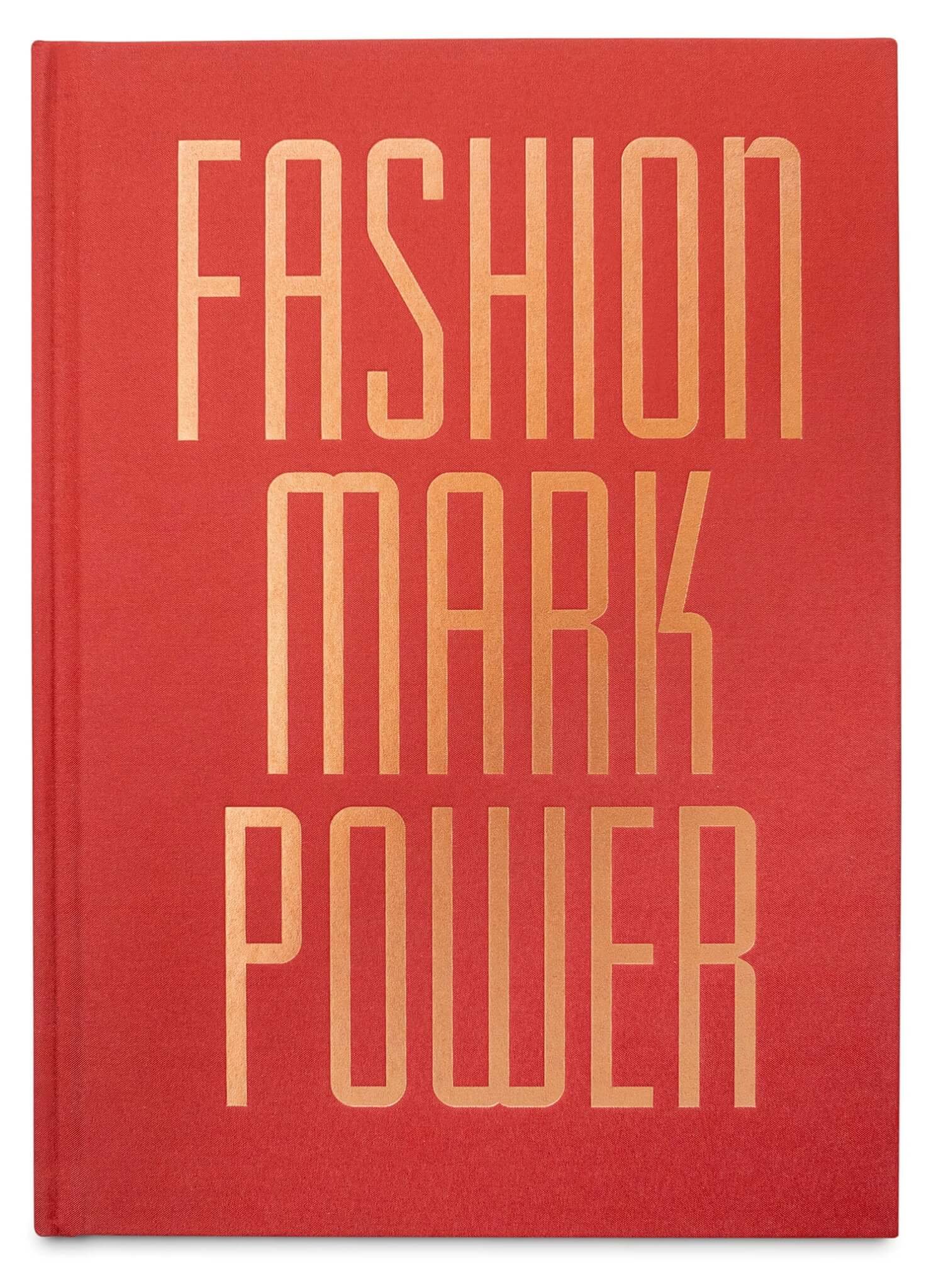
Mark Power spent 27 years photographing construction across 23 countries. Rather than organizing the resulting book by place or chronology, the sequence moves through visual relationships such as form, light and color. That editorial decision is itself a design lesson: meaning can emerge through sequence, not only through individual images.
Book image courtesy GOST Books.
Lesson four: typology can become a way of thinking
Pyramids: Special Economic Vortex Zones of North America — Ian James
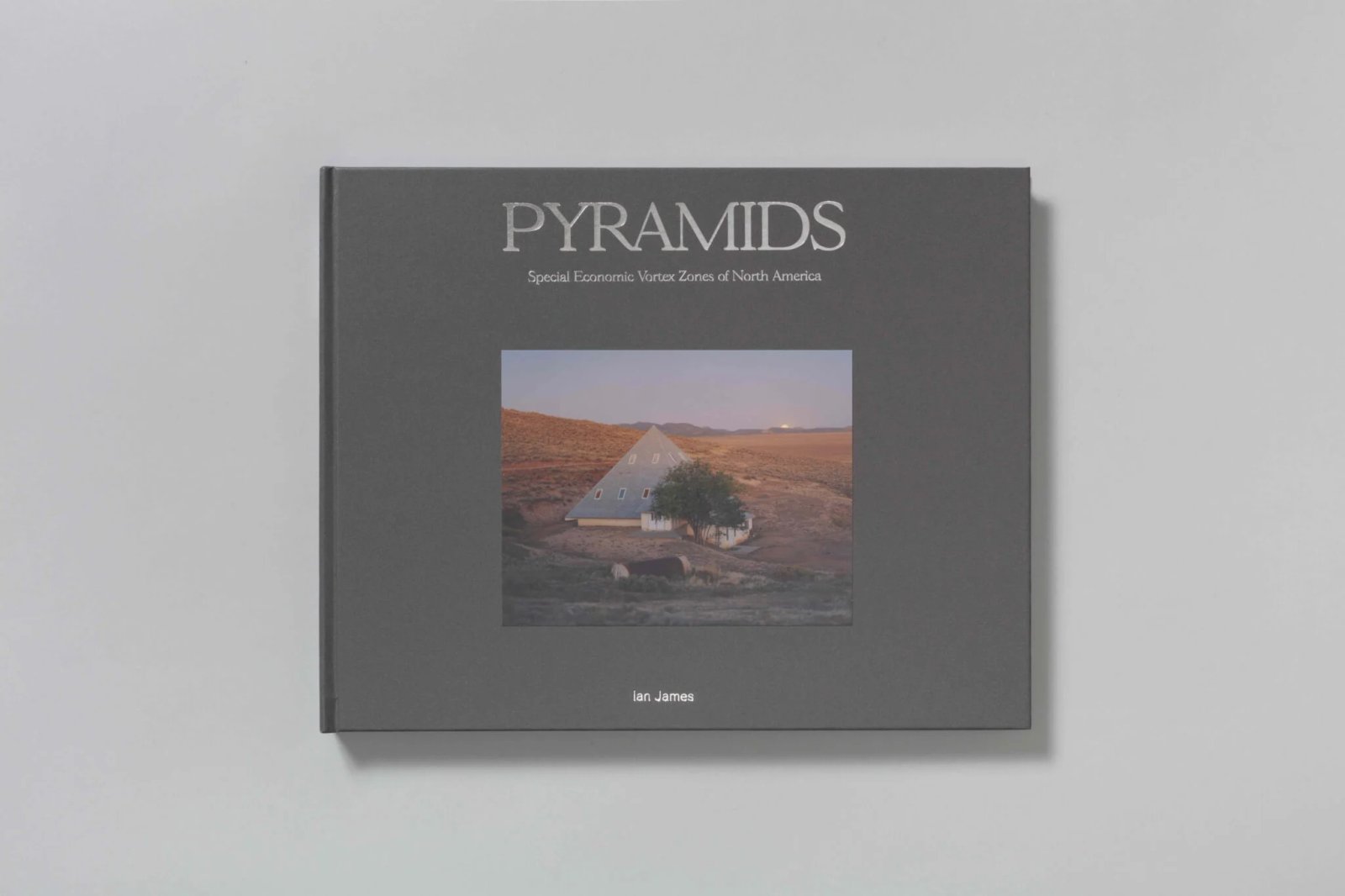
Ian James follows late-20th-century pyramid forms across North America, including the enormous Memphis pyramid. The method is simple but powerful: choose a recurring architectural condition and follow it across geography. Repetition exposes differences in context, commerce and cultural meaning that a single-building study cannot.
Photograph: Josh Schaedel. Book image courtesy The Fulcrum Press and Special Effects.
Analogous Jerusalem — Gili Merin
Architect and photographer Gili Merin spent five years searching for traces and analogues of Jerusalem in sites across Europe. Published by Humboldt Books with a prologue by Pier Vittorio Aureli, the project treats a city as an idea that can be reconstructed through fragments elsewhere. For architects, it is a useful challenge to the assumption that place can be understood only by photographing its landmarks.
Lesson five: sequence changes how architecture is read
Bad Language — Max Creasy
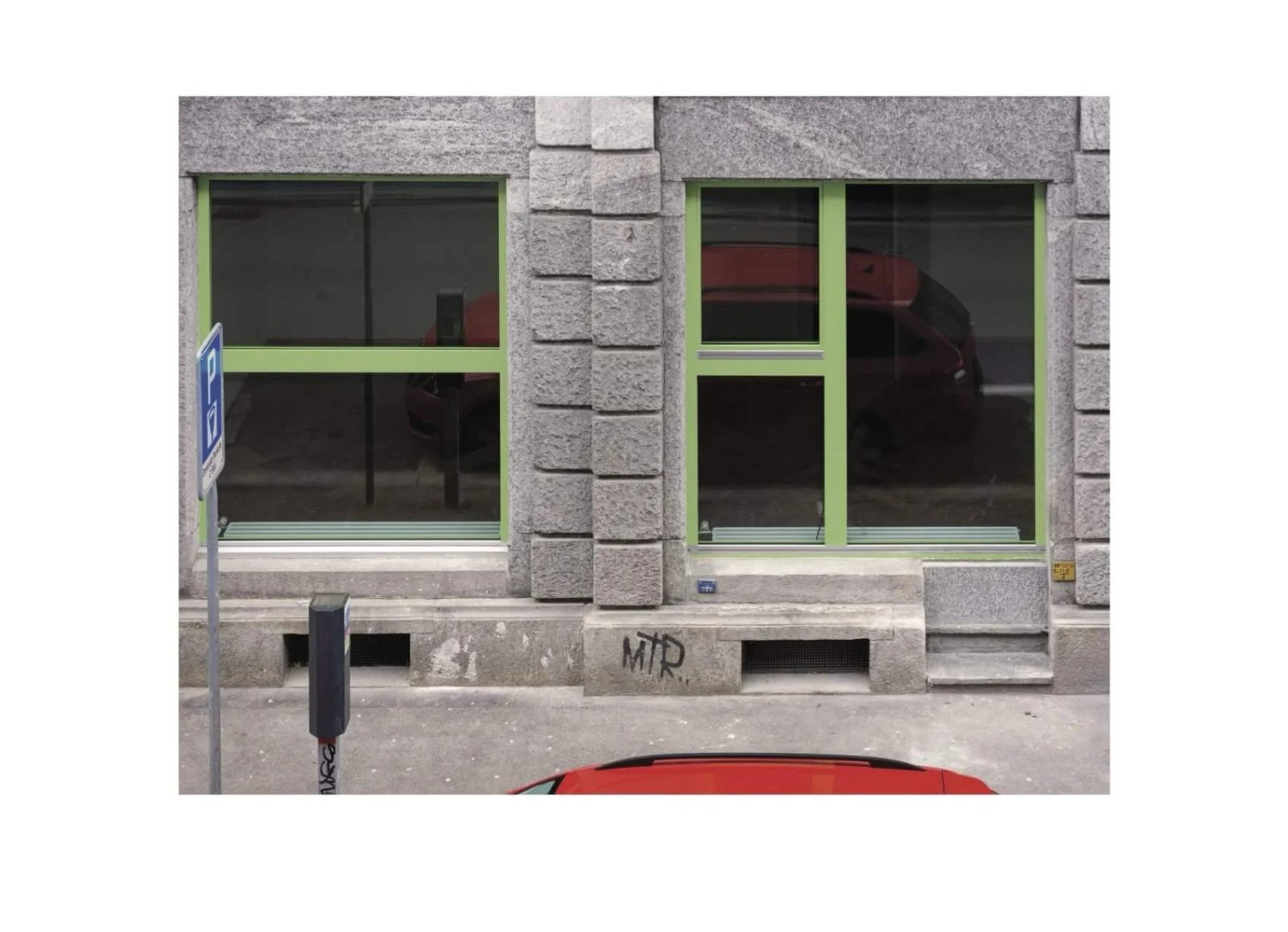
Made in connection with Max Creasy’s exhibition at the Architectural Association, Bad Language gives photographs room to stand independently rather than forcing them into a conventional project report. A text by Frida Grahn accompanies the publication. The lesson is useful for architectural publishing: sometimes less explanation produces more attentive looking.
Book image courtesy Architectural Association.
Sam and Ruth Van Sickle Ford House / Casa Gomis Bertrand–La Ricarda
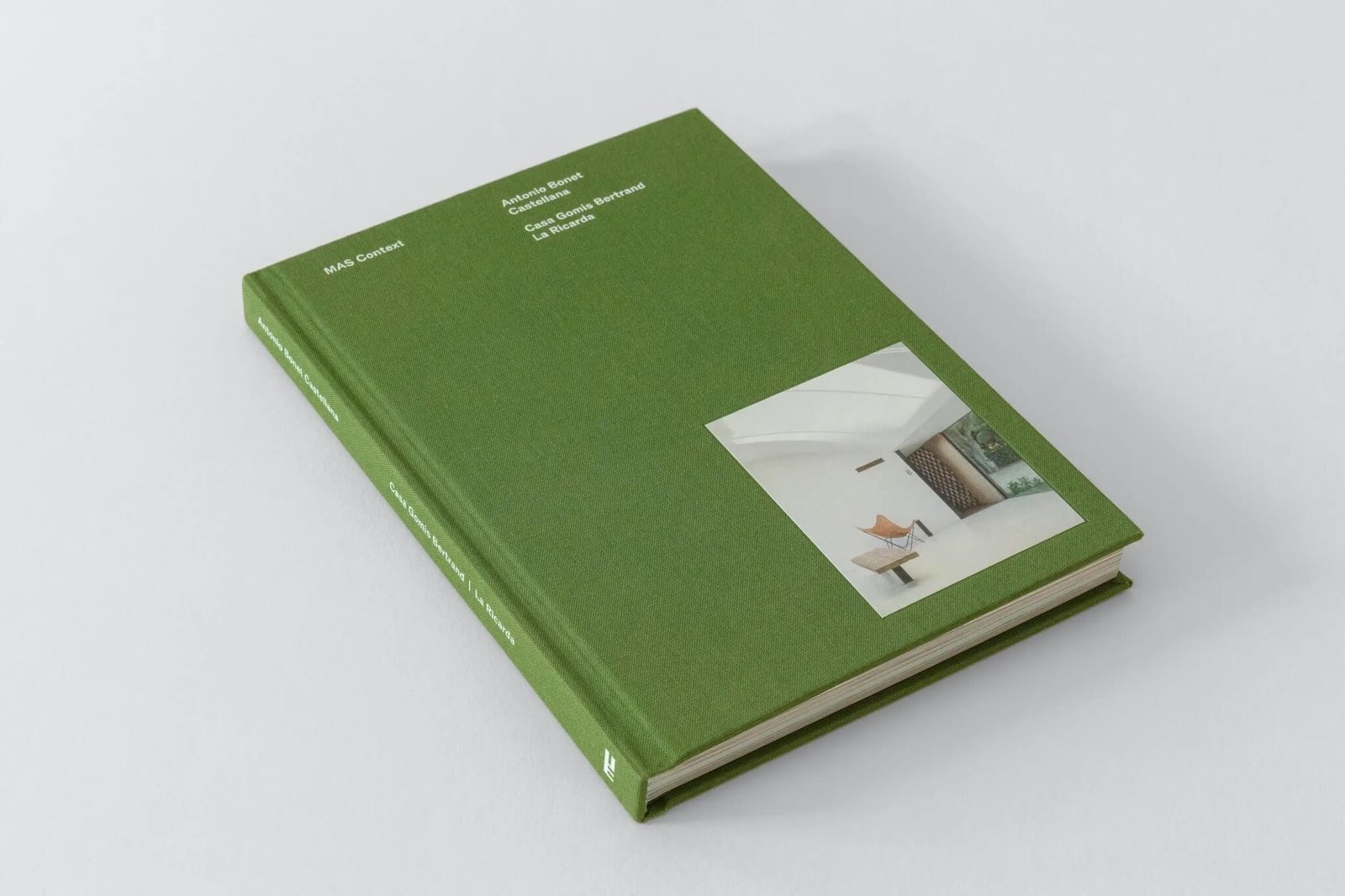
MAS Context’s single-house series slows the pace down. Edited by Iker Gil with film photography by James Florio, the first volumes focus on Bruce Goff’s Ford House in Illinois and Antonio Bonet Castellana’s La Ricarda near Barcelona. Multi-day photographic visits allow each house to become a place rather than a single hero image.
Book image courtesy MAS Context.
Sit, site, chair, cherry — Aleix Plademunt
Aleix Plademunt visited the Vitra campus four times after being invited by Rolf Fehlbaum. The resulting Spector Books publication moves among architecture, furniture, people and historical images. That mixture matters: a design campus is not understood through buildings alone, but through the network of objects, work and people around them.
Book image courtesy Spector Books.
Distribution — Daniel Shea
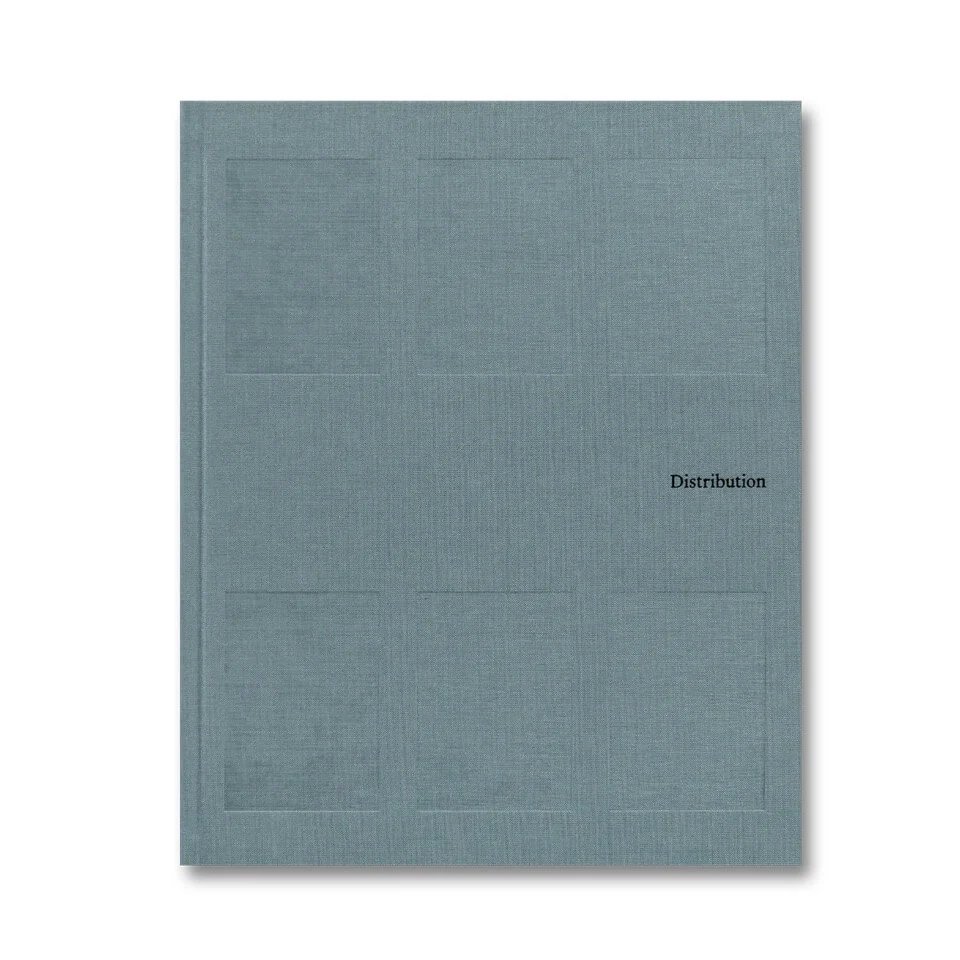
Daniel Shea’s urban photographs are organized in repeated groups, allowing facades, vegetation and textures to echo across pages. Published by MACK, the book shows how editing can create architectural relationships between images that were not necessarily made as a conventional building survey.
Book image courtesy MACK.
Photography can question architectural history
KA ME RA: Modern Japanese Architecture Through the Photographer’s Lens — Ari Seligmann
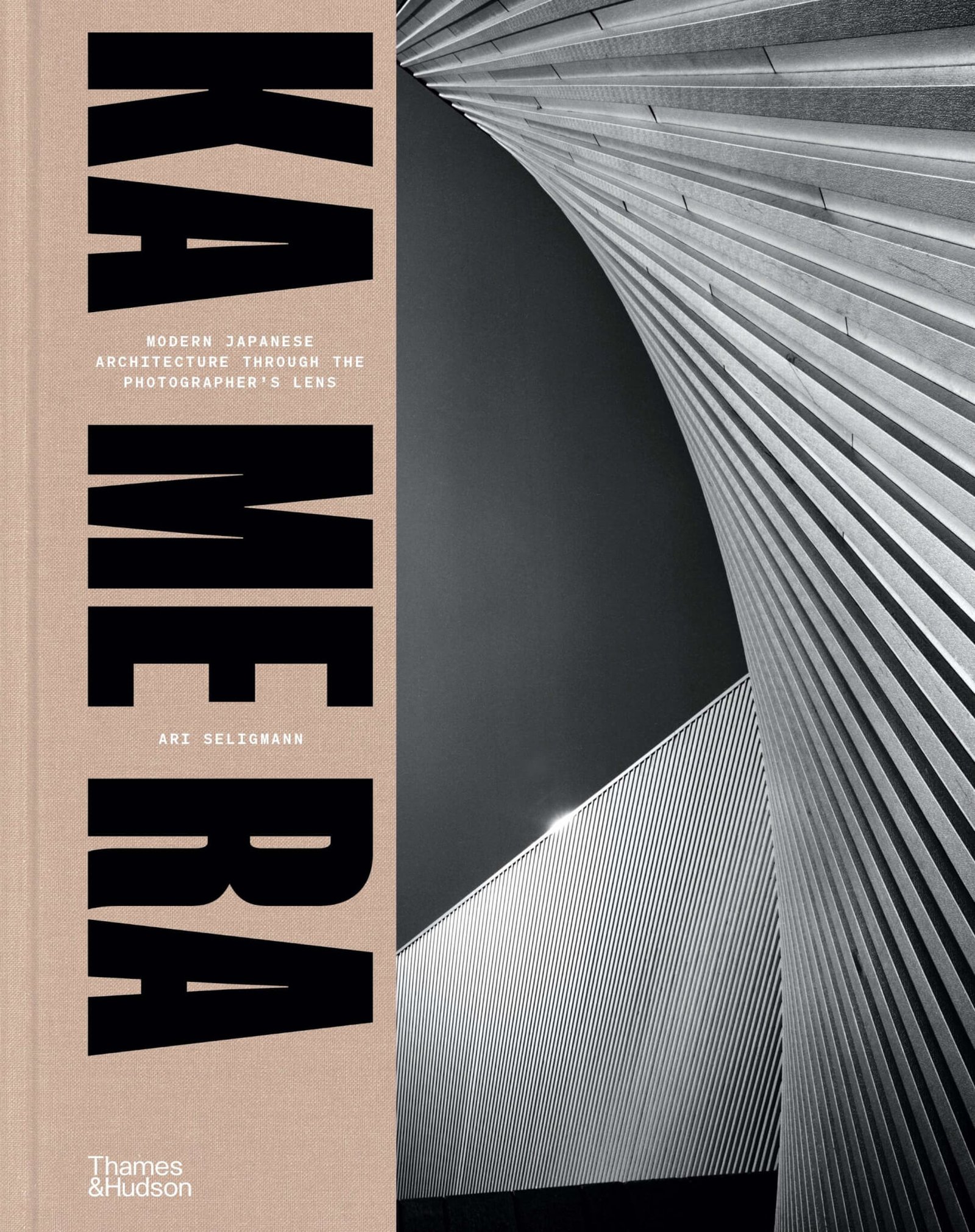
Ari Seligmann studies the photographers who helped construct the visual record of postwar Japanese architecture, including Yoshio Watanabe, Chuji Hirayama, Akio Kawasumi, Osamu Murai, Yukio Futagawa, Tomio Ohashi, Kiyoshi Takai, Shuji Yamada and Mitsumasa Fujitsuka. Published by Thames & Hudson, the book makes an important point: the history of architecture is partly the history of the people who photographed it.
Book image courtesy Thames & Hudson.
The Houses of Guadalajara: Ghosts of Modernity / Ghosts of the Past
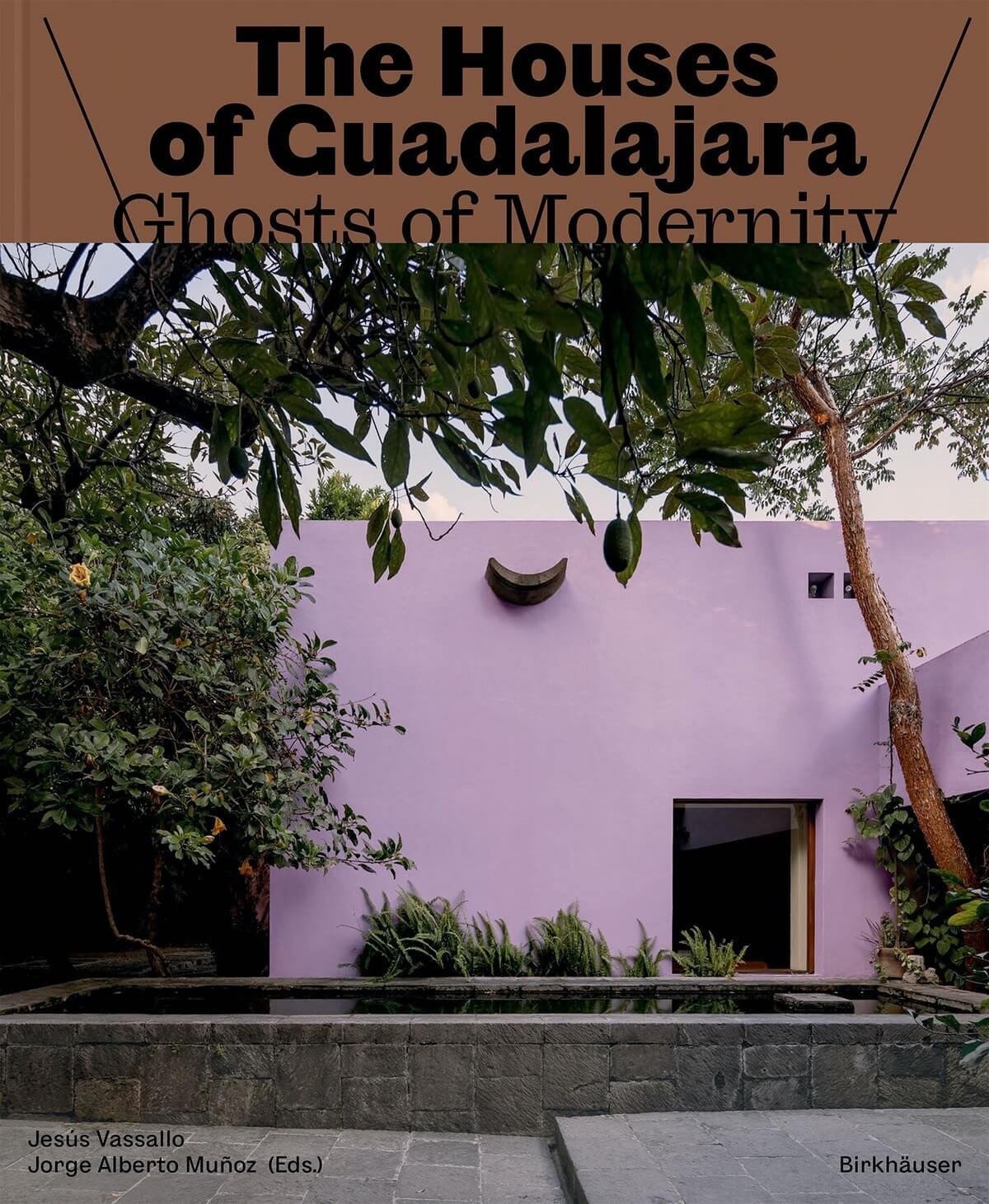
Edited by Jesús Vassallo and Jorge Alberto Muñoz, this bilingual Birkhäuser publication uses contemporary photographs by César Béjar and Rafael Palacios Macías to examine two generations of architects in Guadalajara. Photography becomes a bridge between the city’s early modern work, including the context in which Luis Barragán began practicing, and houses produced by a later generation.
Book image courtesy Birkhäuser.
A different habit for architects
The strongest lesson here is not that architects should buy more photography books. It is that they should become slower readers of images. Ask who commissioned the photograph. Ask what happened before and after the frame. Look for people, wear, construction, weather, ordinary objects and neighboring buildings. Compare photographs made decades apart. Notice how a book’s sequence changes your understanding of a place.
Architecture will always need photography. But the more critically architects understand images, the less likely they are to confuse a controlled representation with the building itself.
Editorial note: This article was independently reviewed and substantially re-edited by the ARCHCOD editorial team. Book titles, authors, publishers, photographers and image credits are attributed to their respective creators and rights holders. Source material used for factual reference includes reporting by The Architect’s Newspaper.